
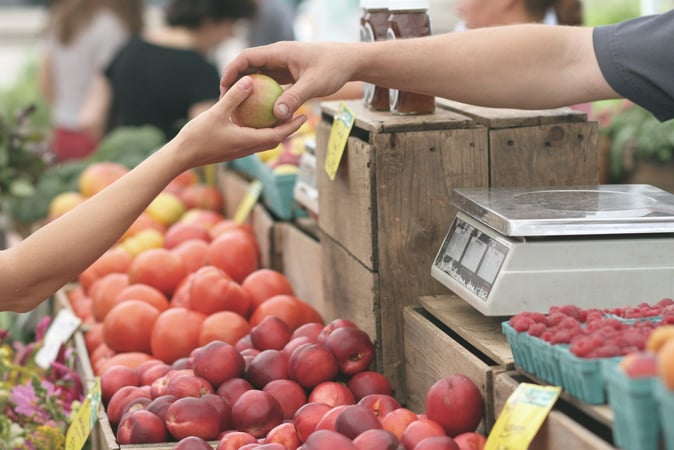
Finally, it feels like spring all over the country. Farmers markets are opening their stalls to customers who are hungry for local and organic fruits and vegetables. Goodbye to tasteless tomatoes and dry melons at the supermarket, and hello to...
Posts by SmartSense
Recent Posts

In our second blog post about the trucking industry, we observed some of the causes of the truck driver shortage in the U.S. One major factor is the unhealthy lifestyle comprised of poor nutrition, lack of exercise, and sleep deprivation that can...

Hospitals have an obligation to ensure that their patients are healthy: from the medication they take to the food they eat, the last thing a patient should experience is an illness caused by a lapse in safety precautions. With many legacy...

The National School Lunch Program (NSLP) has been an important source of nutrition for public school children and has provided business opportunities to the food industry for more than 70 years. For the last few generations, NSLP has been taken for...

With headlines announcing foodborne illness outbreaks almost weekly, it’s pretty much common knowledge to those in the food industry that just one negative event at a restaurant can result in devastating losses including money, market share, and...

In a previous post, we reported the recent update to the ELD Mandate for livestock truckers, an urgent issue that pits recommendations for the transport of live animals against the new federal regulations. In fact, some trucking industry authorities...