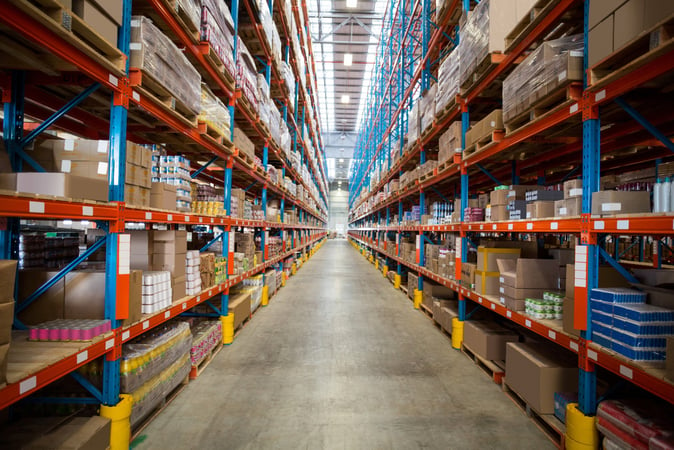
One of the most important aspects of facilities management is to optimize the efficient use of assets, whether it be a process or a physical piece of equipment. Ensuring optimal use of these assets is near impossible without visibility into equipment performance and a task management system to improve productivity. Over 70% of facility executives identified the need of facilities management applications and tools to help with communication, coordination, and scheduling as the highest opportunity for impact on improving facilities support. With new facilities management technology being introduced regularly, it’s becoming more and more challenging to understand which solution will provide the most ROI (yet another important aspect for successful facilities management). In this post, we …
Articles from SmartSense by Digi
Recent Posts

Finally, it feels like spring all over the country. Farmers markets are opening their stalls to customers who are hungry for local and organic fruits and vegetables. Goodbye to tasteless tomatoes and dry melons at the supermarket, and hello to heirloom apples and fresh-picked corn from family farms. With each passing season, more farmers markets pop up nationwide, offering a fresh alternative to conventional grocery stores. Their budding popularity is surely welcome, by both consumers and farmers, but it also raises a question often overlooked: Is produce purchased directly from farmers markets any safer than purchased through a store? Most farmers markets are held in city parks, open fields and even parking lots, where sanitary controls are ad-hoc at best. If your supermarket moved its …

In our second blog post about the trucking industry, we observed some of the causes of the truck driver shortage in the U.S. One major factor is the unhealthy lifestyle comprised of poor nutrition, lack of exercise, and sleep deprivation that can make the occupation unappealing to potential new recruits and force current drivers into early retirement for health reasons. In this post, we look at how some innovative trucking companies are taking important steps to improve the health and wellbeing of their employees. The NIOSH Study: A Picture of Poor Health The degree to which a truck driver’s heath can be impacted beyond accidents and runaway turnover rates is often much greater than most people imagine. Many drivers have had their careers – and in too many cases, their lives – cut short …

Hospitals have an obligation to ensure that their patients are healthy: from the medication they take to the food they eat, the last thing a patient should experience is an illness caused by a lapse in safety precautions. With many legacy technologies still in use today, the likelihood of a temperature excursion affecting food or medication should be taken seriously. Despite new regulations mandating the use of more effective monitoring equipment, the healthcare industry is lagging behind when it comes to adopting new technology. Old hospital monitoring systems tend to be cumbersome; a plethora of wires, solutions that are hard to use and harder still to implement, and many more issues cause heartache for any hospital administrator attempting to adopt a new system. Half the battle is …

This is a 2018 news post. For the rules that apply now, start with Key Federal Food Safety Laws: A Complete Compliance Guide (Updated 2026). The National School Lunch Program (NSLP) has been an important source of nutrition for public school children and has provided business opportunities to the food industry for more than 70 years. For the last few generations, NSLP has been taken for granted, but over the last decade, advocates of the program have had to defend its costs and policies, struggling to keep it viable and dealing with controversies ranging from nutrition standards to eligibility requirements. At SmartSense, we keep up with ongoing issues concerning federal nutrition programs, since any change to their processes can affect many of the food service companies we support. For …

With headlines announcing foodborne illness outbreaks almost weekly, it’s pretty much common knowledge to those in the food industry that just one negative event at a restaurant can result in devastating losses including money, market share, and brand reputation. Now, with a recent study from Johns Hopkins University, research data not only confirms these common sense fears, but provides financial calculation of the damage. Ironically, the report was published only days after the CDC warned consumers about chopped romaine lettuce grown in Arizona. According to the National Institutes of Health (NIH), several factors are contributing to the escalating number of microbiological outbreaks: A globalized food trade Extensive production Complex supply chains Volume of international food trade …