
The global healthcare industry is undergoing a fundamental transition from a volume-based to a value-based approach to doing business for two primary reasons. One, consumers are demanding enhanced healthcare quality, especially given the high cost of insurance. Two, healthcare providers are under greater regulatory pressures to deliver better outcomes than ever before.
In addition to these pressures, healthcare organizations are also facing unprecedented challenges to maintaining their standards for safety and quality:
- Labor shortages: Overworked healthcare professionals are required to do more with less, which increases the potential for compliance gaps despite their best efforts.
- New forms of healthcare delivery: The increasing complexity of medications, vaccines, biologics, and surgical supplies has created new operational burdens regarding storage, transport, and chain-of-custody requirements.
- Supply chain disruptions: Disruptions to the supply chain precipitated by labor shortages, natural disasters, and geopolitical tensions result in inaccurate demand forecasts, transportation inefficiencies, and stockouts that delay treatments and threaten patient safety.
- Rigorous regulatory framework: A compliance failure can quickly cascade across the enterprise, resulting in costly investigations, product recalls, and erosion of years of R&D investment.
Transitioning from descriptive to predictive and prescriptive analytics
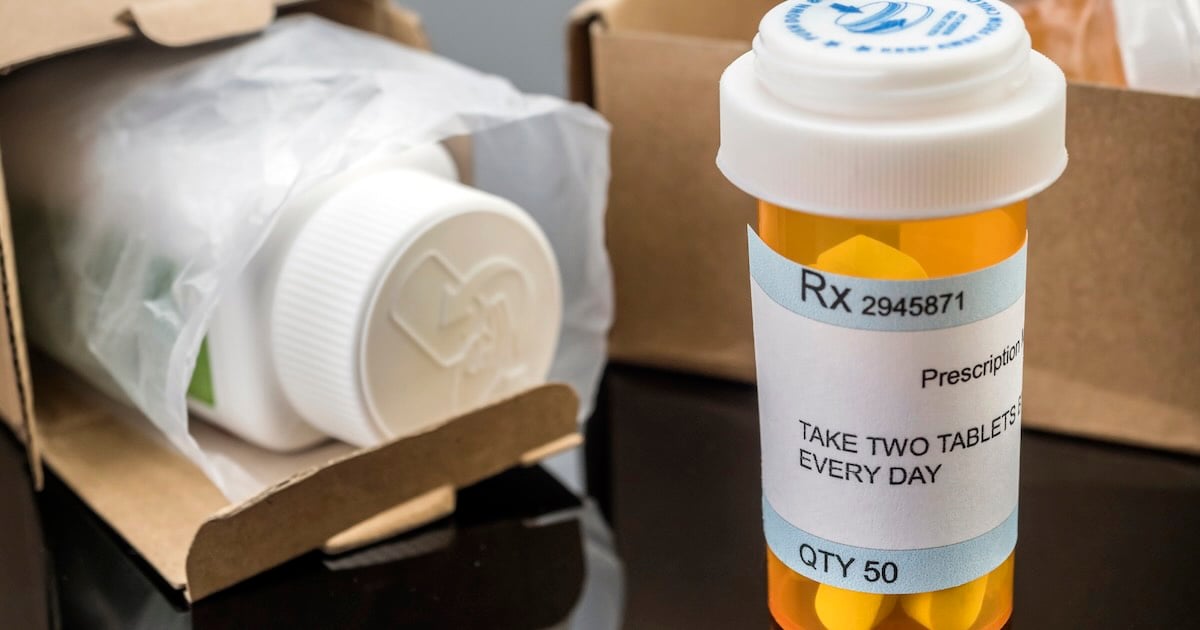
Despite these pressures and challenges, the healthcare industry is in an excellent position not only to maintain their standards of safety and quality, but to exceed them as well. The rise of IoT-enabled Sensing-as-a-Service systems now offers healthcare leaders, managers, and staff with extraordinarily powerful analytical tools that help them better manage the supply chain and make more accurate, proactive decisions based on a tremendous amount of available data.
At the turn of the 21st century, as digital technologies were developing, the primary form of data analytics was descriptive: it analyzed historical records to help organizations understand how past outcomes resulted in present-day patterns and behaviors.
For the first time, business leaders had precise data-based explanations that answered the questions: “What happened then?” and “What’s happening now?” However, they still had limited ability to make proactive business decisions based on answers to the questions: “What is likely to happen next?” and “How can we prepare for, correct, or optimize the consequences?”
This shift of focus is precisely now being addressed by two more advanced types of data analytics: predictive and prescriptive. Predictive analytics helps management anticipate what’s coming, while prescriptive analytics helps teams respond with the best next steps.
While they serve different purposes, both analytical systems work best together. By leveraging techniques such as data mining, machine learning, and statistical modeling, predictive and prescriptive analytics are the future of healthcare supply chain management.
Predictive analytics: What’s next for the healthcare supply chain?

Predictive analytics uses historical and real-time data to forecast what is likely to happen in a supply chain, including demand changes, shipment delays, and potential stockouts. Advanced algorithms recognize trends and patterns across multiple key areas, such as inventory levels, lead times, transportation data, supplier performance, patient admissions, and seasonal fluctuations.
In the healthcare sector, predictive analytics is employed in a variety of ways, such as:
- Predicting what products will be most in-demand
- Forecasting potential shortages of medical supplies
- Identifying patients who are likely to develop a chronic condition
- Calculating which patients will be readmitted to the hospital after discharge
- Ascertaining departments with greatest risk of staffing shortages
Predictive analytics transforms healthcare supply chain management from a reactive loop of managing problems into a proactive, highly efficient operational model. By helping organizations anticipate obstacles before they occur, predictive insights provide managers time to take steps to mitigate or even avoid problems altogether.
The result? Enhanced patient care, increased patient satisfaction, organizational efficiency, and reduced costs.
Dynamic demand forecasting
Because descriptive analytics relies purely on historical data, its models often fail to capture evolving changes in healthcare technologies, practices, and global health patterns. Predictive analytics, on the other hand, processes clinical, operational, and environmental datasets simultaneously to forecast demand with unprecedented accuracy. For example, epidemiological surveillance models track disease trends to predict seasonal surges in flu or regional outbreaks to forecast vaccine needs and ensure uninterrupted availability of critical supplies
Lean inventory optimization
Because healthcare networks carry high levels of "safety stock" to protect patient safety, hospitals, clinics, and pharmacies are at risk for excess overhead and product expiration. Predictive analytics cuts through this waste to optimize inventory holdings.
Existing inventory data is collected from all relevant departments and combined with real-time data from external stakeholders regarding expected demand and potential supply chain issues. Predictive models then Identify opportunities to improve efficiency, reduce costs through process improvements, avoid overstocking supplies, and minimize waste from expired or unused items.
Proactive risk identification
Predictive analytics identifies bottlenecks in the supply chain before they impact care. Algorithmic models continuously review thousands of operational risk factors, such as weather patterns, traffic conditions, and supplier reliability. By predicting the best delivery routes and schedules, predictive models prevent transportation delays and disruptions to ensure supplies reach their destinations efficiently and on time.
Prescriptive analytics: How can the healthcare supply chain mitigate future risks?

Whereas predictive analytics focuses on anticipating future outcomes, prescriptive analytics concentrates on deciding what to do next to optimize the supply chain based on those predictions. It builds complex models combining multiple data sources and factoring in constraints such cost, capacity, service levels, and lead times. As new data is collected, machine learning adjusts its insights to recommend the best action to take to achieve the desired outcome.
The results-driven approach of prescriptive analytics gives it many applications for the healthcare supply chain:
- Evaluating public health trends to recommend strategic supply reallocations
- Assessing external variables to recommend alternative sourcing routes
- Analyzing shelf life and expiration rates to minimize pharmaceutical waste
- Recommending exact reorder quantities for medications
- Adjusting staffing needs dynamically during surges
Prescriptive analytics optimizes and streamlines operations, workflows, and logistics by eliminating unneeded steps and suggesting more efficient alternatives. It reduces waste, safeguards patient care, and identifies the best courses of action for how SOPs should be applied in specific situations.
Dynamic inventory management
Traditional inventory management relies on rigid safety stock minimums, which often lead to holding costs or frequent stockouts. Prescriptive analytics, on the other hand, continuously adjusts parameters to strike a balance. Prescriptive models ensure that medications and equipment needed for each patient’s care are always present in adequate quantities.
For example, algorithms track expiration dates of critical biologics, blood bags, and pharmaceuticals to prescribe specific deployment schedules that reduce expensive waste — for example, by minimizing reshipments to clinics. In addition, prescriptive systems integrated into automated dispensing cabinets (ADCs) calculate real-time consumption patterns to generate precise, programmed purchase orders.
Disruptive risk mitigation
Healthcare supply chains are uniquely vulnerable to disruptions from natural disasters, regulatory changes, and geopolitical tensions. For instance, when a primary vendor encounters a factory slowdown, the system immediately recommends validated vendors matching exact clinical guidelines. Logistics software also automatically prescribes alternative transportation routes and methods based on live traffic, port delays, and fuel expenses.
Improved Patient Care
Inventory management systems integrated with electronic medical records (EMR) and electronic health records (EHR) systems enable:
- Keeping all healthcare professionals on the same page for a patient’s treatment
- Reducing errors in treatments
- Predicting medication needs and potential supply issues
- Improving staff scheduling to meet expected activity and demand in clinics
- Ensuring treatments aren't delayed
Why Generation Next Fertility Trusts SmartSense to Monitor Life's Most Precious Assets
At Generation Next Fertility, protecting patients' future families is a 24/7 commitment. In this video, Laboratory Director Alicia Broussard shares how SmartSense’s advanced monitoring system transformed their IVF lab operations by reducing false alarms, improving data access, and ensuring round-the-clock protection of embryos, oocytes, and sperm. With real-time alerts, dual cellular and ethernet connectivity, and unmatched ease of use, SmartSense gives this tech-forward fertility clinic the confidence to respond fast and keep assets safe.