
This is a 2019 news post. For the rules that apply now, start with Key Federal Food Safety Laws: A Complete Compliance Guide (Updated 2026). Although vaccination has recently become a subject of dubious controversy, overwhelming scientific evidence has proven that immunization is one of the most cost-effective and successful health interventions developed over the last 50 years. Since their discovery and implementation, vaccines have reduced illness and disability from a host of diseases, prevented 2.5 million deaths a year, lowered the worldwide incidence of polio by 99%, and eradicated smallpox entirely. In particular, immunized children protected from the threat of vaccine-preventable infectious agents have a better chance of realizing their full potential as adolescents and adults. …
Posts about Pharmacy (4)

Last month, the CDC released a redesigned Vaccine and Storage Handling Toolkit, aimed at providing healthcare professionals recommendations and best practices for managing, storing, and monitoring vaccines to ensure potency. Temperature control is extremely important for vaccines, as any deviation risks the quality of the vaccine, and in turn, the safety of the patient. This post will outline some of the key takeaways from the newly redesigned Vaccine and Storage Handling Toolkit, and how to take the guidelines a step further to realize business improvements. Temperature Monitoring Devices (TMD) In order to maintain potency, vaccines need to be kept at proper storage temperatures, specifically between 36°F and 46°F. Vaccines remain stable in this tight temperature range, which makes …

Every New Year brings the inevitable flu season. With fingers crossed, those of us who received flu shots in the fall remain hopeful that we’ll be protected during the winter months from any one of the several influenza viruses circulating at work, school, and other crowded spaces. Sometimes we’re lucky, sometimes we’re not. Have you ever wondered how flu vaccines are formulated in the first place? Or which agencies are involved? Or how they determine which viruses to include for inoculation? And what about the big question people are asking these days – does a flu vaccine really work? Let’s explore these questions and more. The Mission of CDC’s Influenza Division You might have guessed that the Centers for Disease Control and Prevention (CDC) take primary responsibility for flu readiness …

The Public Health Agency of Canada (PHAC) and Health Canada have developed guidelines and regulations around the storage of pharmaceuticals on a national level. Additionally, the province and territory level regulations are primarily focused on cold chain management throughout the distribution process as it relates to vaccinations. The mandates don’t stop there: there are also many regulations and recommendations around the types of refrigerators that are used and how to “manage” their use for storing drug products. General Recommendations There appears to be few specifics on temperature monitoring outside of the Vaccine Storage Guidelines. These then get a bit more specific on Temperature Monitoring and acceptable temperature monitoring devices but significantly less so than the Centers …

Retail chains that contain pharmacies, such as CVS, Walgreens, and Rite-Aid, have a somewhat paradoxical business model. On one hand, their pharmacies play an increasingly important role as the mediator between physicians and patients by dispensing medications, both over-the-counter and prescription, as well as public education about them. On the other hand, these chains also compete with 7-Eleven and similar outlets that sell sugary foods such as candy, ice cream, and soda – products that are at odds with a mission to promote health and wellness. Tobacco, and now e-cigarettes, are perhaps the most troublesome products in this respect. As a matter of ethics, should a retail “drug store” sell tobacco? This question perhaps provides the litmus case study of the broader question about …
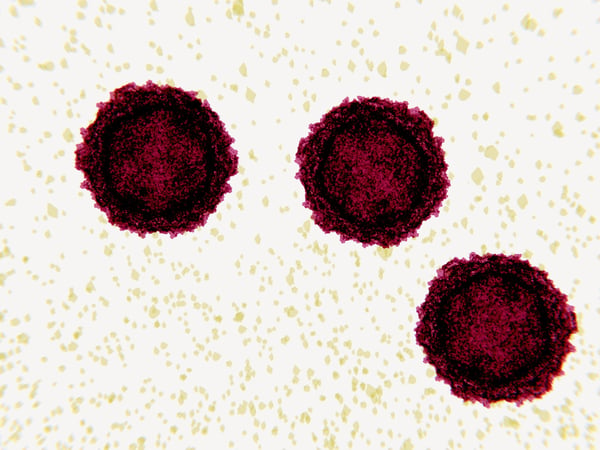
October is American Pharmacists Month – time to recognize pharmacists’ contributions to health care and all they do for their communities. In their honor, we’re publishing a series of posts this month about milestones in pharmaceutical history that have immeasurably advanced drug safety and improved public health. In this post, we applaud the achievements of Jonas Salk and Henrietta Lacks, whose unusual “partnership” resulted in the polio vaccine that has saved an untold number of lives since its introduction in 1955. Research & Development Until Jonas Salk introduced his vaccine, polio was perceived as one of the world’s most worrisome public health problems. As recently as 1952, the U.S. suffered its worst outbreak in history: 58,000 cases were reported; 3,145 victims died and …