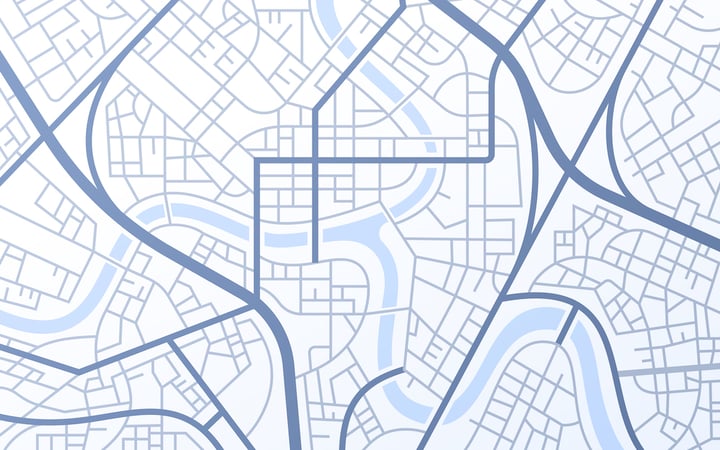
Geofencing is an emerging technology with many uses and much utility for a wealth of industries. When it comes to geofencing, some applications are interesting and stand out emblematically, showcasing the many uses it provides. For example, cities are now using geofencing to control the use of mobile transportation devices such as scooters or bicycles that supplement pedestrian traffic. Cities are also limiting the type and number of micro-mobility devices such as e-scooters that move inside their boundaries. As riders test the limits, geofencing is used to remotely enforce speed as well as parking and allowable zones for these devices. More specifically, in Santa Monica, California, geofences are used for their brigade of e-scooters within the city. An e-scooter user may go about their …
Articles from SmartSense by Digi
Recent Posts

In a previous post, we surveyed Best Practices for Food Recall Response & Prevention. As a follow up, in this post we take a deeper dive into the three recall classes: what distinguishes them from each other, illustrated by concrete examples. Then, after a brief “report card” on how well the Food and Drug Administration (FDA) has been handling the most urgent recalls (Class I), we’ll suggest a few ways companies can help the FDA minimize problems caused by recalls. Food Recall Classes: An Overview When there’s reason to believe that misbranded or adulterated products enter the market, the USDA’s Food and Safety Inspection Service (FSIS) Recall Management Division convenes its standing Recall Committee located within the FDA. Consisting of technical experts, scientists, field …
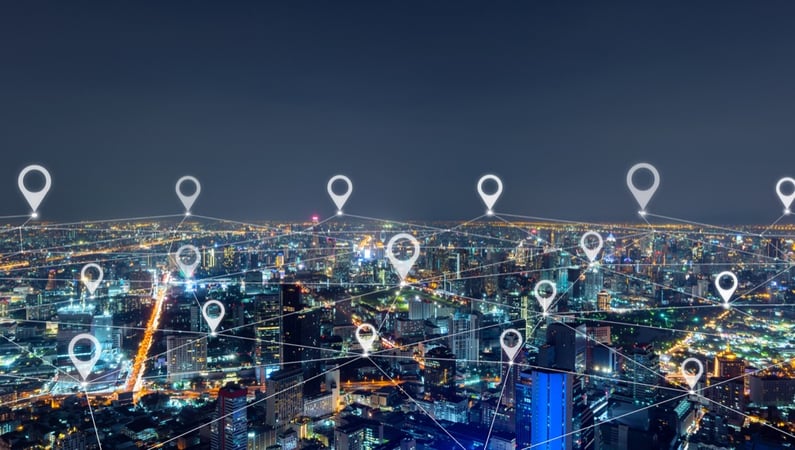
Geofencing isn't exactly new, but it is an important technological concept that's being utilized not only in the transportation sector, but in many other industries as well. It has many capabilities and allows an enterprise to utilize geolocation for better control and management of the supply chain. What is a Geofence? So, what exactly is geofencing? A geofence is just as it sounds: a virtual perimeter that's used in a physical geographic area. It can be dynamically generated to create a radius around a certain point location with a predefined set of boundaries. Examples include a school zone, a neighborhood boundary, or a transportation territory within a marine terminal or freight yard. A geofence uses a location-aware device to provide a specific service, contingent upon location, …
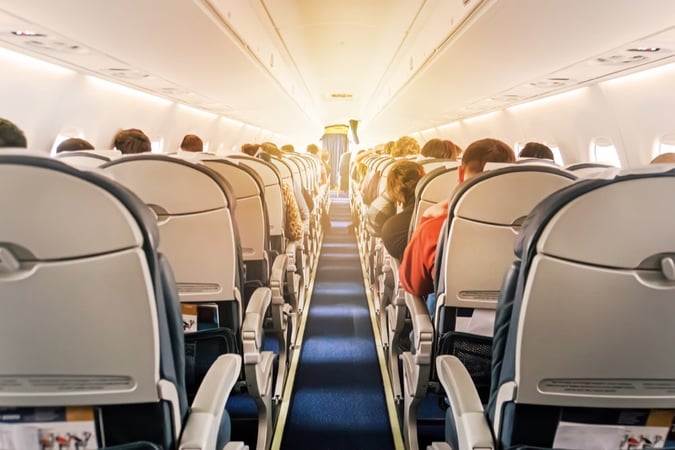
When we typically think about food safety, what comes to mind is food in transit to stores, then available for purchase, and eventually makes it on to our kitchen tables. However, there's another category of food safety: the safety of food served by airlines during air travel. The food served aboard aircraft is a heavily regulated sector of air travel. More specifically, since November 1, 2018, the Animal and Plant Health Inspection Service (APHIS) required retail facilities and airline catering services operating in or serving the U.S. Customs and Border Protection Passenger Pre-Clearance locations to comply with updated food and regulated garbage requirements. These requirements are imposed to prevent the spread of potentially harmful plant pests and animal diseases. They might reach …
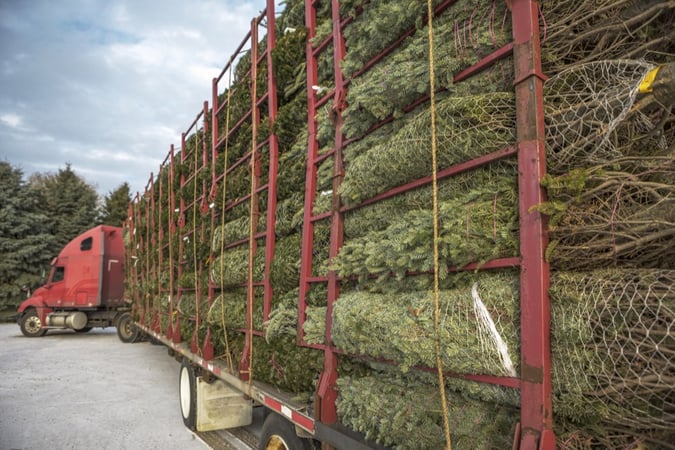
The tree at Rockefeller Center in the heart of the holiday hullabaloo, smack dab in the middle of New York City, is iconic, surrounded by skaters, chocolate shops, ornamental angels lit up and in formation, and plenty of tourists who swarm the area to see the Norway Spruce that's delivered to the site about three weeks before Thanksgiving. The Rockefeller Center tree may be iconic, but live trees are still popular. Getting them from a tree farm or other grower's site to the inside setting of your home, is an interesting and challenging journey. Winter celebrations at the Rockefeller Center, including a skating rink and a Christmas Tree. In 2017, the New York Times reported on the journey of a Christmas Tree. They described the supply chain as one where the tree had been “hacked, hauled …
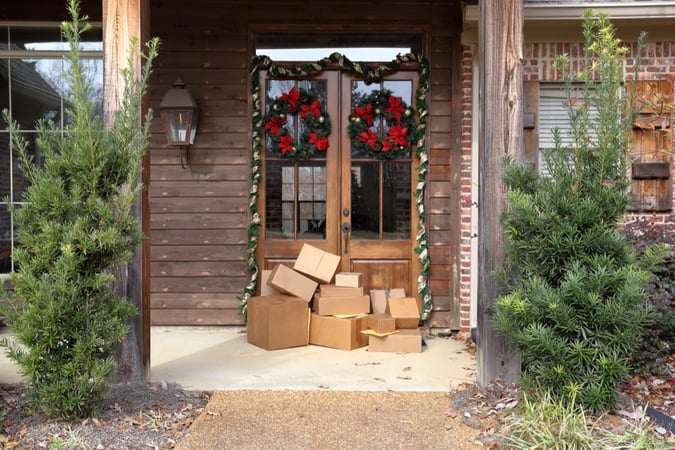
As consumers continue to begin their holiday spending rendezvous earlier, thanks to omnichannel options, they want reliable delivery that is fast and nimble. That's what Austin-based Convey found when they surveyed more than 2,500 US consumers identifies the trends and themes that will define the online shopping experience this holiday and beyond. Their report, Shoppers Have a Need for Speed – Not Just Free Shipping – This Holiday Season, found that “twice as many consumers saying speed is a critical factor this year versus last.” Consumers are increasingly concerned with how quickly their packages will arrive at their door. Compare this to just a couple of decades ago, where consumers were content with shipping speeds of 5-7 business days. Fast and Free Shipping Please "The fast, free …