
The food service industry is undergoing an era of labor uncertainty and demand volatility. The reasons are many and complex: the rise of e-commerce, supply change disruptions due to natural catastrophes brought on by climate-change, and higher expectations of consumers regarding safety, quality, and sustainability. On top of all that, the FDA’s new 2026 traceability regulations loom on the horizon. The bottom line is that food service operators must do more with less if they want their operations to remain agile enough to attract, satisfy, and retain customers. That means adopting IoT technologies to free employees from tedious, time-consuming, manual tasks so they can focus more hours on improving the customer experience. Sensing and monitoring devices connected across the supply chain …
Posts about FSMA
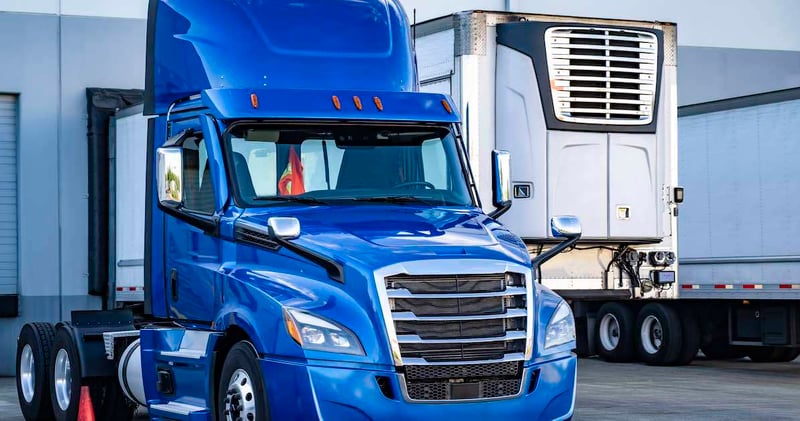
Wholesalers and retailers in the food manufacturing and pharmaceutical industries must ensure the effective delivery of pathogen-free food and critical medications to their customers who rely on them for their health and well-being. To do so successfully requires accurate, real-time data across the cold chain, from the manufacturing floor to the warehouse to point of sale. It is, therefore, a top priority for executives to implement an IoT Sensing-as-a-Service solution to ensure seamless quality assurance. When empowered by data-driven decision-making tools, safety and QA managers are guided by descriptive insights about on-the-ground operations to streamline workflows and thus reduce risks related to safety and product loss. Ensuring quality in food manufacturing with greater …

The restaurant industry has always struggled with high levels of employee turnover. And especially since the onset of labor disruptions caused by the COVID-19 pandemic in 2020, the need to employ and train new and temporary workers has escalated to record-breaking levels. For example, in 2022, only 54% of QSR employees worked for 90 days before quitting. Some economic forecasters predict that labor deficiencies in the restaurant industry may be a permanent condition. All the more reason that restaurant leaders must find innovative solutions to maintain efficiencies given less staff with less experience. In the absence of manpower, IoT connectivity combined with automated digital decision-making tools generate real-time insights and prescriptive actions that restaurant managers, operations …

Worldwide climate change is indisputable. Rising temperatures and the risk of destructive weather patterns are becoming increasingly frequent. Consequently, natural disasters such as droughts, wildfires, hurricanes, floods, and tornadoes are having a devastating impact on global and domestic supply chains. Preparing for the inevitability of climate-related business disruptions has become the “new normal” for grocers, food service providers, pharmacies, and healthcare organizations. Smart supply chain management is therefore more critical than ever to maintain product integrity and to ensure customer and patient wellbeing. The detrimental impact of climate change One of the most common climate-related business disruptions is a power outage that can put inventories at increased risk across …

IoT-enabled Sensing-as-a-Service solutions offer valuable insights and automated, prescriptive workflows that empower employees to protect supply chain assets in real time. In this post, we examine three supply chain networks that clearly demonstrate the benefits of implementing a digitalized monitoring system: retail food service, laboratory research, and vaccine administration. Food Service: Ensuring safety, quality, and supply with advanced traceability With the FSMA Final Rule on Produce Safety taking effect in January 2026, food service companies must prepare now to ensure they can comply with the new food safety standards and regulations. Issues such as cross-contamination, allergen control, and ingredient traceability remain crucial to ensuring the health of both customers and …
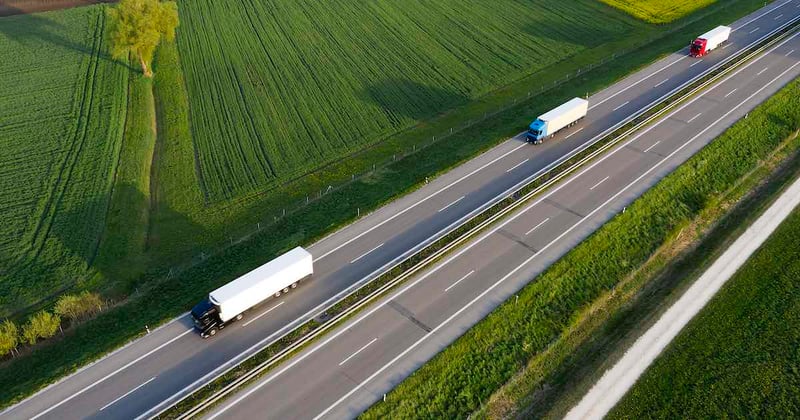
Successful food retailing is a complex operation that starts long before product arrives at the store. For instance, a pivotal point in this process is the transfer of product from transport vehicles to a grocer’s warehouse. Why? Because temperature-sensitive foods deteriorate quickly if not stored promptly in refrigerated areas upon delivery. Of course, the flow of food across the supply chain encompasses a multitude of similar points of contact requiring timely action to maintain food safety, quality, and availability. In this post, we take a look at why end-to-end transparency, also known as “supply chain visibility,” is a must for the modern grocer and food retailer. Supply chain visibility (SCV) is essentially an inventory logistics strategy that tracks, monitors, and records the …