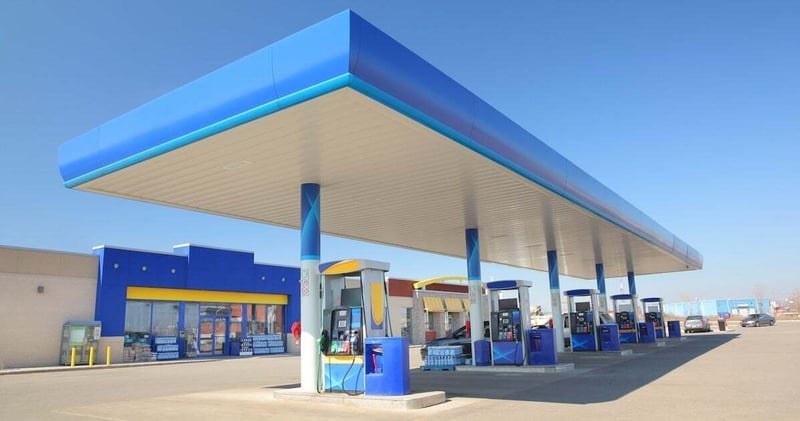
Scaling food safety and quality control across multiple c-store locations is more pressing than ever. Why? The trend toward freshly prepared, made-to-order foodservice fundamentally shifts the c-store concept from a retail model to a food service model. C-stores are now direct competitors with quick-service restaurants (QSRs). Consequently, fresh food carries significantly higher biological risks than pre-packaged snacks, while, at the same time, increasing logistical complexity. C-stores, therefore, must modernize their operations across several critical areas to improve KPIs. C-store operations managers must shift from legacy manual standard operating procedures (SOPs) to prescriptive workflows informed by automation, built-in guidance, and advanced analytics. Despite the new challenges …
Posts about Food Service
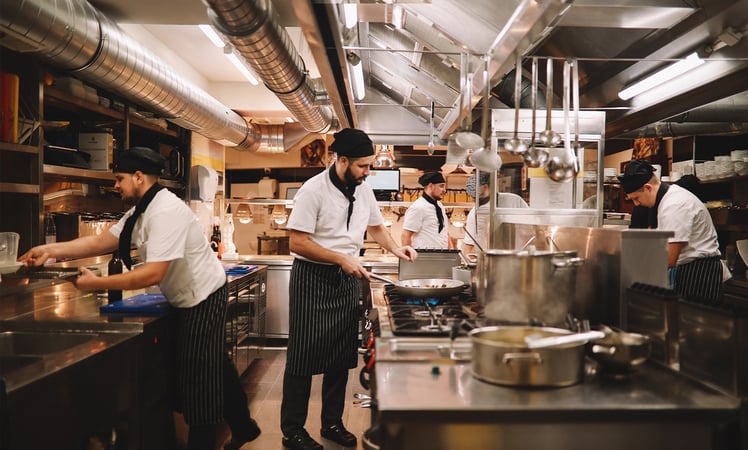
The reputation of all food service organizations – from QSRs and C-stores to supermarkets and Michelin-starred restaurants – is built not only on quality and service, but also on customer trust that, quite literally, the food they consume won’t make them sick. HACCP systems and digital sensors have significantly improved food safety since the days of manual pen-and-paper practices. So why, then, are foodborne illnesses still a threat, such as the recent cyclosporiasis outbreak? The answer? Food safety cannot be guaranteed only by implementing compliance protocols and technological infrastructure. No doubt, IoT-enabled monitoring, real-time supply chain tracking, and AI-driven inventory governance systems remain the best technological solutions to streamline and automate food safety …
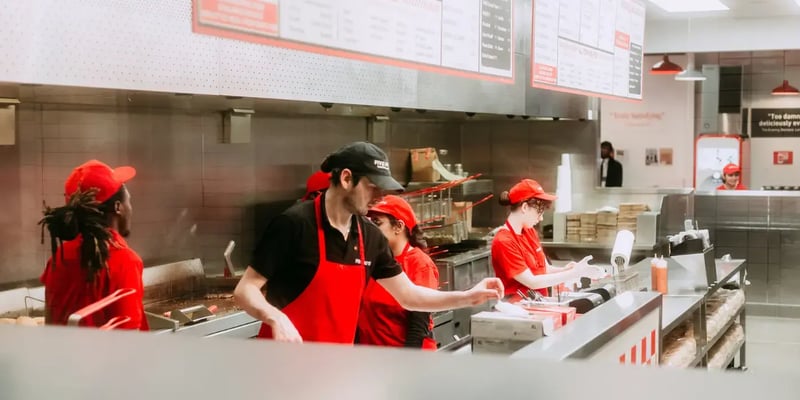
In the quick service restaurant business, speed is a crucial component. Customers walk through the door expecting hot, fresh, accurate food delivered without delay. When that expectation is met, they come back. When it is not, they leave and often do not return. Wait time-related reviews among QSR customers increased by 8.5% in 2024, with nearly 36% of customers reporting that their orders took a long time. In a market where 80% of QSR customers say they value order accuracy and speed equally, falling short on either means losing ground to competitors who have figured out how to deliver both. Speed must be paired with accuracy. The real goal for every QSR is quick, fresh, hot, and accurate. Speed without accuracy is just a faster way to disappoint a customer. Technology is the bridge …

Every business has a version of the same problem. Tasks that need to happen every day, at the right time, in the right order, completed by the right person. In a restaurant, that might be a morning food safety check or a closing cleaning log. In a retail store, it might be a price verification sweep or an inventory count. In a manufacturing facility, it might be a safety inspection or a shift handover record. The details differ. The challenge does not. For decades, businesses have relied on paper checklists and spreadsheets to manage these routines. And for decades, the same problems have followed. Lost records. Skipped steps. Inconsistent execution. Managers spending more time chasing accountability than running their operations. The tools were never built for the pace of modern …
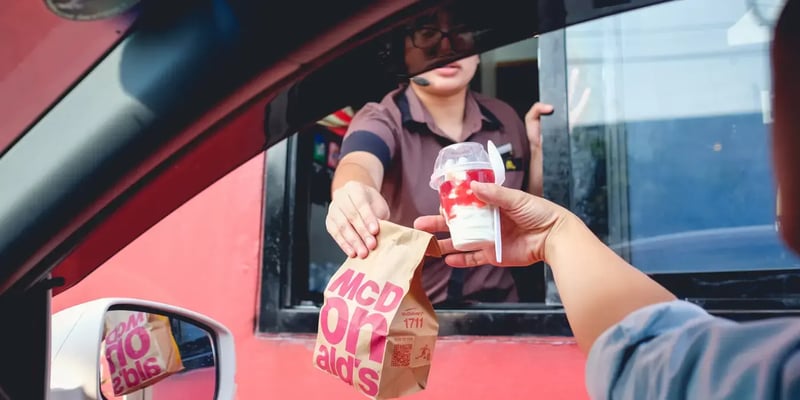
This story describes the customer's experience with Jolt, which SmartSense acquired in 2025. "Jolt is the system we will use going forward. We'll never switch back to pen and paper." – Grant Groen, 10 Store, 3rd Generation Owner/Operator Achieving accountability Grant Groen is a 3rd generation McDonald's Owner Operator. Along with his sister, the family owns 23 locations across Kentucky and Ohio. "Employee accountability is always a struggle," said Grant. "Even for families like ours who have been doing this for decades." Fred Laport, the Groen family's Director of Operations, helped Grant build solid processes and operations across his stores. "Fred has been with McDonald's for 32 years," Grant told us. "So, with our combined experience, I believe we have processes downright. It's just a …

Top restaurant chains are switching from paper to digital checklists because a digital list records who finished each task, when they finished it, and often includes a photo. Managers can see that record in real time, including at stores they are not standing in. Walk into any top-performing restaurant today, and you will likely see workers using a tablet rather than a notepad of paper. Top restaurant chains have figured out that in today's world, going digital has big advantages. Digital checklists provide real-time visibility on task completion from anywhere, whether on the floor, office, or even across the country. Every task is logged with a name, a timestamp, and in many cases a photo, so there is no guessing about what was done, who did it, or when it was completed. Automated alerts …