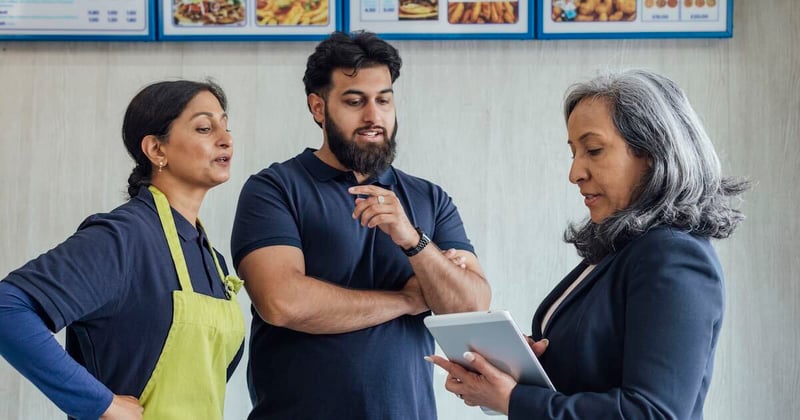
With the turn of the twenty-first century and the introduction of IoT-enabled technologies, outdated and detrimental micromanagement practices have been remedied by proven digital empowerment tools. Welcome to the new age of employee accountability — a strategy that focuses on learning and rectification, not blaming and punishment. True accountability distinguishes between "ownership" and "responsibility": in other words, between a promise to produce positive outcomes rather than simply fulfill an obligation to perform tasks. At the heart of digital accountability is proactive individual and team initiative: consistent delivery of results that align with business goals without the need for constant managerial supervision. Accountable employees don't merely flag issues. They admit mistakes …
Posts about Food Service (2)
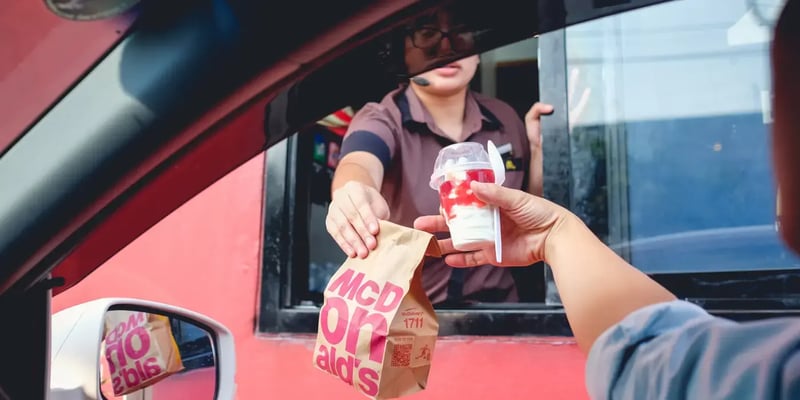
"Now we have real-time visibility with SmartSense, so the discovery is done. SmartSense gives us the data to choose a clear direction, and we're able to act faster, the right way." -- Jonathon McGuire, Owner/Operator of 19 McDonald's locations in Tennessee, Leader of the McDonald's Restaurant Technology Board This story describes the customer's experience with Jolt, which SmartSense acquired in 2025. Running one restaurant is hard. Running 19 is a different challenge entirely. When you have a single location, you can walk through the door and know within minutes whether things are going well. You can read the room, check the logs, talk to your team, and get a feel for where attention is needed. That kind of hands-on oversight is imperfect, but it works at small scale. When you have 19 …

Organizational resilience (OR) is a proactive strategy that enables a business enterprise to overcome a myriad of potential market and global adversities. OR integrates culture, leadership, and IoT-enabled systems to anticipate and adapt to both gradual changes and sudden disruptions in order to maintain its core functions and secure its long-term viability. If executive leaders wish to improve the OR of their operations and provider-client relations, they must develop and adopt competencies that foster agility and flexibility in the advent of inevitable change. To do so requires a holistic approach that integrates supply chain management, risk planning, and agile staffing supported by IoT-enabled technologies and data analytics. In this post, we provide an overview of the challenges to …

Despite consistent price increases in the food away from home category, Americans can’t seem to ditch eating out or ordering in. Inflation-weary customers aren’t trading in their fast casual bowls just yet, but they are re-evaluating what compromises a safe, enjoyable customer experience when buying meals. To better understand how Americans are thinking about food away from home, specifically fast casual food choices and how that compares to other dining options, SmartSense surveyed 1,000 US-based adults (18+). In the survey, the fast casual category was defined as restaurants that primarily rely on counter service, such as Sweetgreen and CAVA; the quick serve restaurant (QSR) category was defined as dining options that traditionally have drive-thru service, such as McDonald’s and …

Food waste along the wholesale and retail supply chain is often blamed on downstream operations failures. Its roots, however, oftentimes lie upstream. As we will explore in this post, food waste is typically a downstream consequence of inadequate upstream Sales & Operations Planning (S&OP) decision making. The scale of this issue is massive, with 30-40% of the US food supply wasted each year. The U.S. government’s goal is to reduce food waste by 50% by 2030. Balancing demand & supply with sales & operations planning (S&OP) Sales and Operations Planning (S&OP) is a cross-functional process aligning demand forecasts with supply chain capacity, resources, and financial goals. S&OP connects sales, marketing, manufacturing, and finance to create a single …
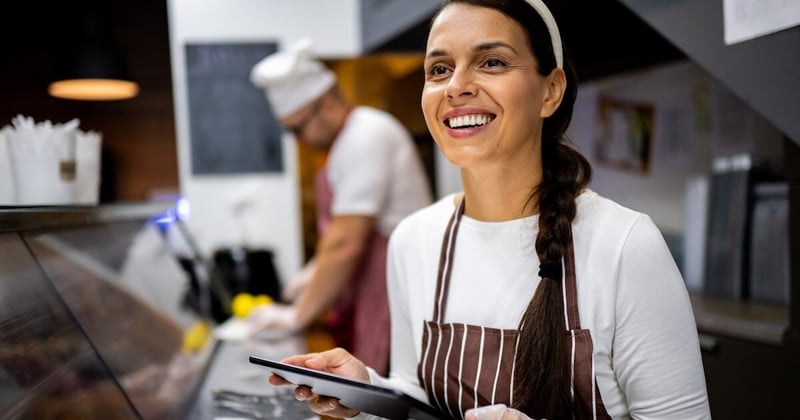
As the demand for convenient, fast, and quality food continues to rise, small QSR chains face increasing pressure to deliver exceptional customer experiences while maintaining operational efficiency. Given this highly competitive market environment, IoT-enabled smart tools are beneficial to QSR chains of any size to ensure that they stay ahead of the competition. In a seamless digital customer experience, onsite and mobile experiences are integrated from order and payment to preparation and delivery. At the core of a successful experience are a QSR’s deskless workers empowered by IoT technologies. Smart tools are integrated into their daily operations that automate time-consuming, routine tasks. These tools also generate real-time data-driven insights to ensure an efficient, safe, and …