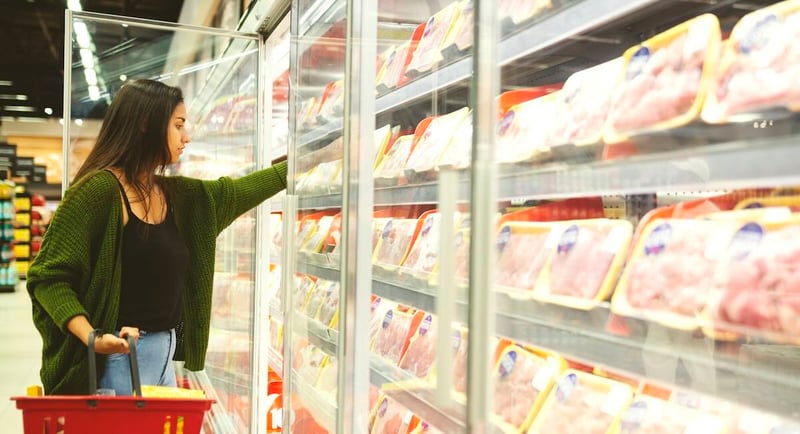
Last year, SmartSense’s inaugural Frozenomics survey showed that frozen foods serve as an economic safety net for many Americans, helping them find items that offer both savings and longevity. The survey also explored Gen Z shopping habits and the role of transparency in building consumer confidence in this category. Since that survey, inflation has moderated (but not disappeared), and recalls have consistently made headlines, including ones directly impacting the frozen foods category. To see how the past year's events have shaped consumer views, SmartSense has once again surveyed 1,000 US-based adults (21+) to better understand how trends, behaviors and insights are evolving. Consumers Remain Financially Squeezed Grocery inflation eased slightly in August, but prices remain 2.7% higher …
Posts about Grocery

When times get tough, Americans get creative with how they stretch budgets. That's why today's shoppers are fighting inflation and financial strain with an unlikely hero: frozen food. Enter: what SmartSense calls "Frozenomics" — the economic aspects of frozen food. At a time when frozen food serves as a safety net, Frozenomics is becoming increasingly complex as frozen food volumes surge through the cold chain. This raises some important questions: Do frozen food brands have the cold chain strategies needed to ensure products move from the factory to the store freezer without meltdowns? And what do consumers really think about frozen food — its nutritional value, safety, and the industry's commitment to protecting and increasing visibility for both? To answer these questions and explore …

The food service industry is undergoing an era of labor uncertainty and demand volatility. The reasons are many and complex: the rise of e-commerce, supply change disruptions due to natural catastrophes brought on by climate-change, and higher expectations of consumers regarding safety, quality, and sustainability. On top of all that, the FDA’s new 2026 traceability regulations loom on the horizon. The bottom line is that food service operators must do more with less if they want their operations to remain agile enough to attract, satisfy, and retain customers. That means adopting IoT technologies to free employees from tedious, time-consuming, manual tasks so they can focus more hours on improving the customer experience. Sensing and monitoring devices connected across the supply chain …

Wholesalers and retailers in the food manufacturing and pharmaceutical industries must ensure the effective delivery of pathogen-free food and critical medications to their customers who rely on them for their health and well-being. To do so successfully requires accurate, real-time data across the cold chain, from the manufacturing floor to the warehouse to point of sale. It is, therefore, a top priority for executives to implement an IoT Sensing-as-a-Service solution to ensure seamless quality assurance. When empowered by data-driven decision-making tools, safety and QA managers are guided by descriptive insights about on-the-ground operations to streamline workflows and thus reduce risks related to safety and product loss. Ensuring quality in food manufacturing with greater …

In its conventional usage, “sushi” refers to the popular Japanese delicacy in which cooked rice is formed with raw fish. Well-known variations include nigiri, maki, and hand rolls, made either manually using bamboo mats or mechanically using specialized tools. Both of sushi's main components—raw fish and acidified rice—are highly perishable and prone to pathogens that can cause outbreaks of foodborne illness. Therefore, like other foods subject to HACCP protocols, the ingredients for sushi require strict attention to food safety and quality issues during all phases of the supply chain: transport, storage, preparation, holding, display, and sale. In this post, we take a look at the logistics of safe sushi production, in particular best practices to ensure the safety and quality of both raw …
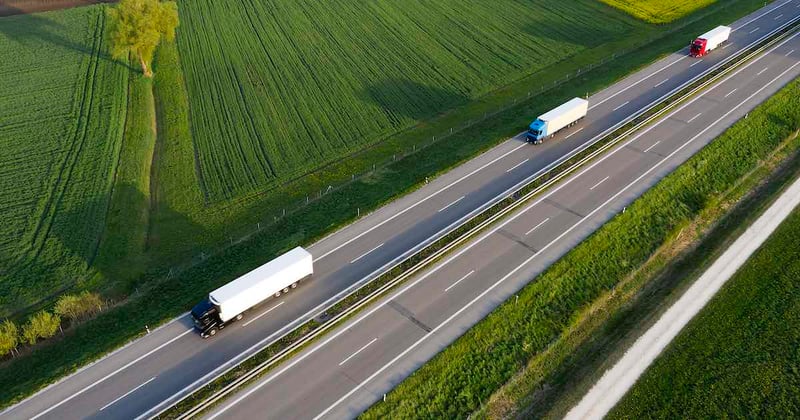
Successful food retailing is a complex operation that starts long before product arrives at the store. For instance, a pivotal point in this process is the transfer of product from transport vehicles to a grocer’s warehouse. Why? Because temperature-sensitive foods deteriorate quickly if not stored promptly in refrigerated areas upon delivery. Of course, the flow of food across the supply chain encompasses a multitude of similar points of contact requiring timely action to maintain food safety, quality, and availability. In this post, we take a look at why end-to-end transparency, also known as “supply chain visibility,” is a must for the modern grocer and food retailer. Supply chain visibility (SCV) is essentially an inventory logistics strategy that tracks, monitors, and records the …