
The cycle foods travel along the cold and value chain is called the “flow of food.” When the flow of food is subject to federal regulations, commercial and not-for-profit food service operations are legally responsible for the safety of all their food products at each step along the chain: purchasing, transporting, receiving, storing, cooking, holding, cooling, reheating, serving, and delivering. Monitoring temperature of foods at each link in the supply chain is essential to prevent contamination by pathogens that can lead to foodborne illness, deterioration of freshness and quality, product loss, damage to brand reputation, and threats to the well-being and satisfaction of both paying customers and populations in the public trust. To minimize these risks, forward-thinking leaders who …
Posts about Grocery (2)

The adoption of Internet of Things (IoT) Sensing-as-a-Service is opening new pathways to business resilience for food companies competing in a volatile market. Given the threat of recession, lingering inflation, and ongoing labor shortages, the margin for food operations error is razor thin. Restaurants, grocers, and other retail food services must deliver an optimal customer experience at every touch point to sustain positive customer satisfaction. Especially during an economic downturn, ensuring food safety, food quality, and sustainable grocery practices is necessary to both protect public health and prevent food waste. To meet these requirements and maintain profits, innovative leaders in the food industry are implementing holistic, interconnected IoT Sensing-as-a-Service solutions to …

How to Pass a Health Inspection: A Guide for Restaurant Owner Owning a restaurant means that health inspections are part of your routine. They can be stressful, especially since your restaurant’s ability to operate depends on passing these inspections. But don’t worry – there are steps you can take to prepare and make sure you pass every time. In this guide, we’ll go over how to prepare for and pass health inspections, and even give you some checklists to help you out. Preparing for a health inspection To pass a health inspection, you need to be prepared. First, review your local health code requirements, since inspectors use these as a guide. Knowing the health code lets you plan for the inspection and make sure your restaurant meets all the requirements. Next, research common health …

In the United States alone, the FDA estimates that 30%–40% of the food supply is wasted. That’s approximately 35 million tons annually. Or on a more human scale, that’s 219 pounds of waste per person each year. With record-high inflation rates increasing the potential for an economic recession, today’s consumers simply can’t afford to discard one-third of the food they purchase. Considering that global food prices are 34% more expensive year-over-year, food service companies — from restaurants to supermarkets — are in a powerful position to help their customers reduce food waste currently costing American families with children $1,900 per year on average. The costs to climate and the environment The costs of food waste extend beyond consumers to the much broader concerns of climate and …

The COVID-19 crisis has radically altered the largest global retail category, food and beverage, and the post-pandemic market may very well prove to be the historic tipping point in the digital transformation of the grocery sector. As discussed in the first post of this series, the pandemic has profoundly disrupted the grocery supply chain. Bottlenecks and gaps in service forced both grocers and consumers to rapidly and dramatically change how they interact. The most significant change has been the shifting demand from traditional, brick-and-mortar stores to digital, e-commerce channels. This acceleration of e-commerce has created new challenges for food safety and sustainability. Complicating matters, the labor shortage puts manual temperature monitoring procedures at greater risk. Has …
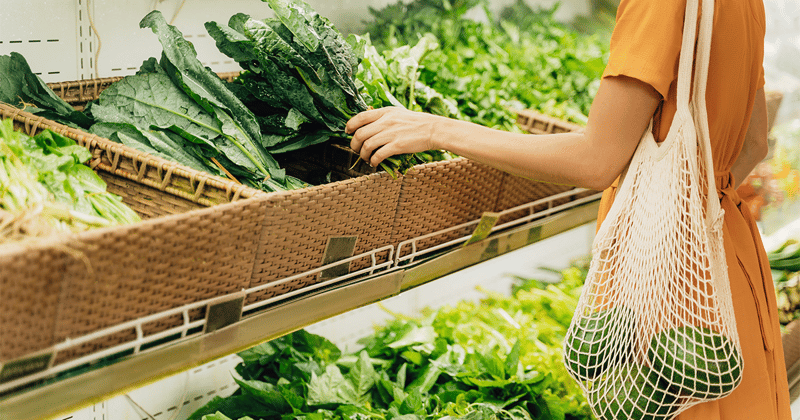
This post is the second in our series about how grocers are dealing with the legacy of COVID-19 in a post-pandemic market. In this post, we look at the issue of sustainability, and how consumers and business remain committed to their goals. In our first post, we talked about the USDA's Build Back Better initiative to fix the supply chain broken by COVID-19. One of the objectives of that program is a plan to address climate change. While global warming may at first appear incidental to the coronavirus pandemic, the Biden administration recognized that it is linked to the pandemic and overall is potentially more damaging to the supply chain in the long term. Consumers tend to agree. According to Deloitte, "making environmentally friendly choices is likely to prevail even when shopping …