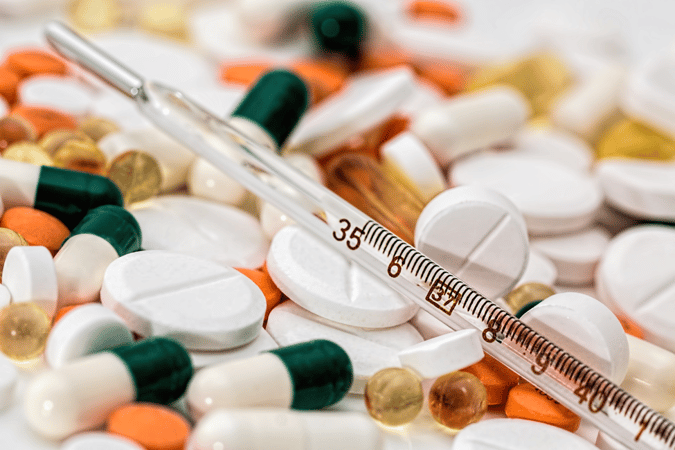
While most products have strict temperature ranges, pharmaceuticals are extremely sensitive. It is critical to maintain a safe temperature range for vaccines and medications in transport and in storage. Depending on the product, the safe range is either between 2°C and 8°C or between 20°C and 25°C. These temperature ranges ensure product efficacy and preserve the shelf life. For pharmaceuticals, there is little room for error. For those products which must be stored in the lower of the two ranges, extra precaution needs to be taken. A short exposure to subzero temperature will cause permanent damage to proteins and a loss of efficacy. Technology can monitor the temperature of pharmaceuticals during storage. USP Chapter 1118 highlights several standard monitoring methods, including: …
Articles from SmartSense by Digi
Recent Posts
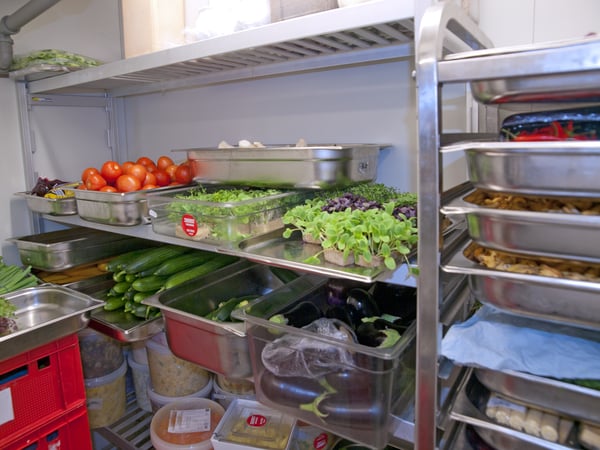
If you’re in charge of food safety for a chain restaurant you probably ask yourself the same question every day, “Is our food being stored and handled properly to ensure compliance?” Across all your locations, you’re not likely to find someone with the answer you need. But, there is an FDA study that can point you in the right direction. Ensuring safe food is an important public health priority. For years, regulatory and industry food safety programs have focused on reducing the incidence of foodborne illness caused by harmful bacteria and other pathogenic microorganisms. Yet it seems more and more headlines tell a different story; recalls, hospitalizations, and deaths. In other words, food safety remains a significant public health problem in the United States. NPR Study: From Farm to …
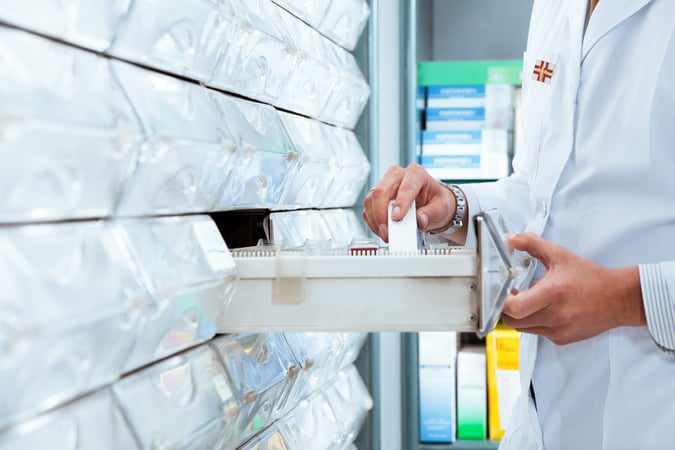
As a pharmacist, you’re already meticulous about the human factors that can affect a patient’s medication. Double-checking prescriptions, measuring dosages with care, and confirming the patient’s identity are all second nature to you. You probably also follow the general CDC guidelines about storing medications to keep them safe and effective. You keep vaccines in the refrigerator, for instance, and hope that shelved pills stay at room temperature. What happens when you do your twice-daily check of the fridge and realize the door is ajar? Does it really matter, on that first hot spring day, that the heat is still pumping and everyone in the pharmacy is sweating? The answer, of course, is yes. The United States Pharmacopoeia (USP) defines room temperature as a range of 59ºF to 86ºF (15ºC …

For the rules that apply now, start with Key Federal Food Safety Laws: A Complete Compliance Guide (Updated 2026). Hazard Analysis and Critical Control Points (HACCP) is a system designed to identify and prevent safety hazards during food production and distribution. It includes steps to avoid problems before they occur and correct deviations as soon as they are detected. For a good introduction to HACCP, please read our previous blog post. You can also review the 5 Preliminary Tasks to get started on developing your own HACCP plan. What are the 7 principles of HACCP? Once your HACCP team has completed the five preliminary tasks, their next job is to apply HACCP’s Seven Basic Principles. Conduct a Hazard Analysis Your HACCP team first identifies and evaluates food safety hazards that may …

For the rules that apply now, start with Key Federal Food Safety Laws: A Complete Compliance Guide (Updated 2026). Your HACCP Plan: a Top-down Priority A HACCP food safety plan is a best practice for all large-scale food services and restaurant chains. These days, when multiple product recalls worry consumers, it’s good insurance to develop a program to protect your company. It all starts with a firm commitment by top management to producing safe food and training employees to ensure it. Developing Your HACCP Plan This flowchart illustrates the general HACCP development process. Your final plan will be specific to your unique products and processes. But to begin with, you should accomplish these five preliminary tasks. Assemble the HACCP team Your first task is to create a team …
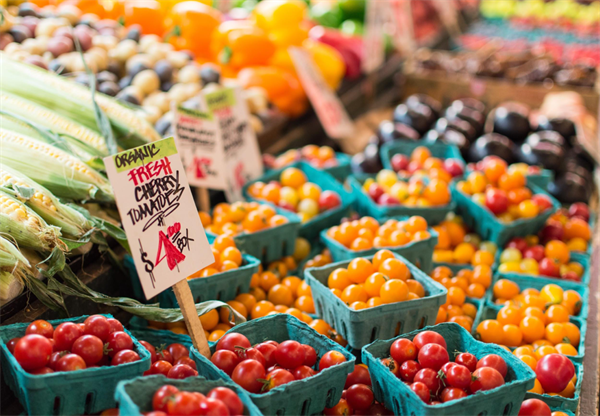
According to the USDA, 70% of consumers think that food tastes better or of higher quality if it is labeled organic. But, is it actually better for you just because it says ‘organic’ on the packaging? Truthfully, no produce is immune to foodborne illness. All produce is equally susceptible to pathogens. In the Spring of 2015 there were 178 FDA food recalls; 61% were vegetables and 8% of which were organic. That may not seem like a lot, but in 2014 only 2% of organic foods were recalled - that’s quite the rise in organic recalls. A major recall of organic produce occurred in 2016. Taylor Farms’ Organic Power Greens Kale Medley was recalled after seven people became ill from Salmonella Enteritidis. The source of the outbreak was clear, and it was controllable. All of the kale medley’s were …