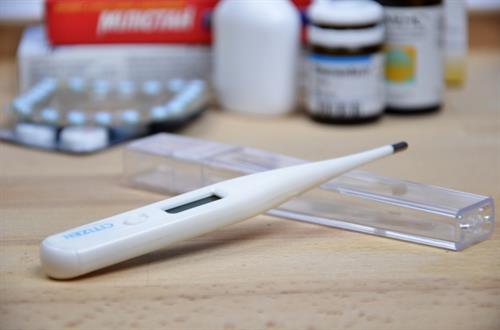
Remote Monitoring is making its way into all aspects of business. None is more important than ensuring the quality and safety of refrigerated medications. Wireless sensors placed inside Rx refrigerators and freezers can send temperature readings to the Cloud. Viewing this information on a cloud-based software platform provides pharmacies a complete picture of their equipment temperatures, across locations. Many major retailers and pharmacy chains are doing this today. Beyond ensuring vaccine and medication safety, this data is helping them improve operational efficiency. One thing pharmacies have learned through the implementation of remote monitoring, is that their equipment may not be running as efficiently as they thought. In a study of 15,000 Rx refrigerators and freezers across a …
Articles from SmartSense by Digi
Recent Posts
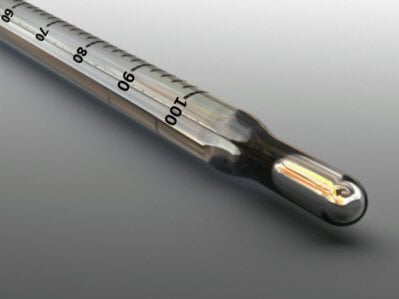
This is a 2016 news post. For current vaccine and medication cold-storage practice, start with Shipping Vaccines without a Cold Chain?. What Difference is 1°F? At the end of June 2016, the U.S. Center for Disease Control (CDC) released an updated Vaccine Storage and Handling Toolkit. Among the most interesting changes is the new recommended Fahrenheit temperature range for refrigerated vaccines. The Fahrenheit temperature range for refrigerated vaccines was updated from 35°F - 46°F to 36°F - 46°F. The Celsius temperature range remains unchanged: 2°C - 8°C. The CDC notes, ”The conversion of 2°-8° Celsius equates to 35.6°- 46.4° Fahrenheit. Among routinely recommended vaccines, most manufacturers’ package inserts note a Fahrenheit temperature range of 36°F - 46°F, while some note a …

With temperatures rising, so does the opportunity to experience a power failure. For most of us, a power outage is a sudden and temporary inconvenience that leaves us without our beloved gadgets and internet...until you cell battery dies. But for vaccine storage, it's clear that a power outage brings larger and more troublesome obstacles. It is virtually unavoidable to prevent all power failures. Storage facilities must have backup plans and backup equipment to prepare for a power outage. Courtesy of the CDC's latest toolkit, here are a few procedures that you should be implementing in your power outage solution: What should you do with vaccines during a power outage? Do not allow vaccines to remain in a non-functioning unit for an extended period of time, if you cannot foresee an …

For the rules that apply now, start with Key Federal Food Safety Laws: A Complete Compliance Guide (Updated 2026). The FDA recently released its final FSMA rule, which applies specifically to food transportation. FSMA compliance concerns many aspects of food production, transportation of that food being one of them. While many food safety professionals have implemented HACCP or similar plans, they’ll need to review their current plans to ensure they comply with FSMA. What’s often forgotten is the fact that food spends a significant amount of time in transit: from farm to processor, warehouse to distributor, wholesaler to retailer or restaurant. Each time that food moves, it encounters the same potential safety challenges and the new FSMA Sanitary Transportation of Human and Animal Food …
Acronyms are everywhere in pharmaceutical and food safety. However, some are more important than others. The World Health Organization’s PQS certification is one that sets the global standard on effective cold chain equipment. Otherwise known as “Performance, Quality, and Safety”, PQS is granted by the WHO for a comprehensive range of cold chain equipment, injection devices and other products needed for safe and effective vaccine delivery. A collaboration between the WHO and UNICEF Supply Division, the PQS system dates back to 1979 and is the principal source of information and advice for those responsible for purchasing products used in immunization programs. And while PQS status does not guarantee purchase, it does indicate to buyers that a product is technically sound and approved for …

This is a 2016 news post. For the rules that apply now, start with Key Federal Food Safety Laws: A Complete Compliance Guide (Updated 2026). The FDA has been releasing final rules to govern various links in the food safety chain since 2015. Their latest announcement, the sixth set of rules, covers food transportation safety. While food transporters have been aware of these changes and taken proactive steps to move toward compliance, many may not be ready for some or all of the changes, which includes documenting temperature controls. The Food Safety Modernization Act (FSMA) has made headlines since it was signed into law in January 2011. The legislation gives the FDA new authority to regulate food producers, processors, distributors and retailers. FSMA provides a number of new powers to …