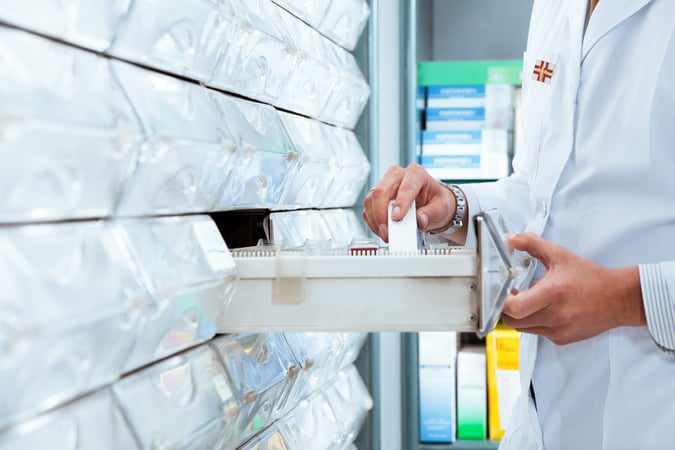
There have been many CDC alerts and updates for a range of issues in the past year. A quick visit to the CDC website brings a flurry of information and data, which for some of us, can be difficult to sort through. There are routine revisions to "best practice" guides, all of which must be instituted in a timely fashion. For your convenience, SmartSense will be condensing a series of handling practices and routines for a variety of specified vaccines. This series will begin with a beginners guide to address basic storage and handling of vaccines, and will move deeper into specific instructions for Haemophilus influenzae type b, Human Papillomavius (HPV), and other common vaccines in the coming weeks. Of course, this will also include tips for temperature monitoring, temperature sensors and …
Articles from SmartSense by Digi
Recent Posts
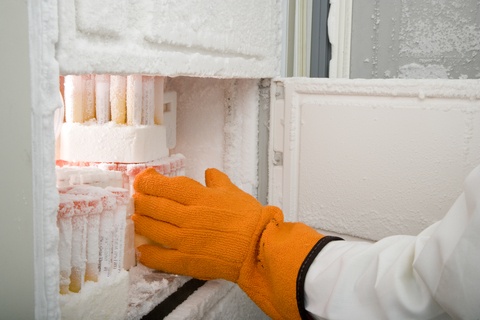
We recently spoke with an individual from a reputable hospital who outlined a recent failure in one of their systems. According to the source, over 900 monitoring points were inactive as result of a faulty monitoring system. The question of "who's monitoring your monitoring device?" was part of our discussion on refrigerators and is an extremely important issue. The upkeep of monitoring systems is an important piece of any "best practice" storage strategy. Unfortunately, this mishap at the U.S. based hospital is part of a larger theme around the world; that inadequate monitoring and storage of vaccines (and medicine) is still a significant problem. As we can see, Chad has environmental roadblocks to best storage practices for vaccines. This is only one of many major concerns in vaccine …
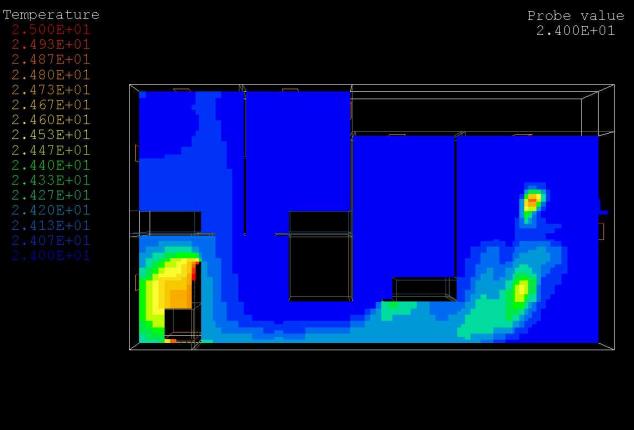
You need enough temperature sensors to cover the warmest and coolest points that affect your product, since a room or a refrigerator does not have one temperature. A few sensors in different locations is a good start, because too many readings create noise and one sensor can miss a swing of several degrees. What is the temperature in the room you’re in right now? Take a guess, you’ll be correct within a few degrees. Now, what is the temperature of the room? Don’t bother answering that, it’s a trick question because in fact there is no “temperature of the room”, the temperature of the room is a 3D matrix that likely varies by up to 3°C (5.4°F) from one point to another. In spaces as different as commercial refrigerators and data centers, temperature differences can be even greater. …
Historically, monitoring of temperature-controlled environments has been one of the most important factors to monitor for sensitive applications. Whether you’re monitoring server rooms to tell when the AC goes off and jeopardizes costly IT equipment and data servers containing valuable information, or a medical office refrigerator containing perishable vaccines, temperature is one of the most critical parameters to monitor to keep things safe. Temperature Monitoring in IT Server Rooms With the advent of low-cost solid state Relative Humidity (RH) sensors, customers with many, diverse applications are reviewing their decision about monitoring humidity as a parameter that may be needed to protect product quality or safety. For example, the temperature monitoring of IT servers is generally …

For the rules that apply now, start with Key Federal Food Safety Laws: A Complete Compliance Guide (Updated 2026). Why is the Food Safety Modernization Act important? On January 4, 2011, in an effort to prevent food borne illness, the FDA’s Food Safety Modernization Act was signed into to law. One portion of the law states: “The owner, operator, or agent in charge of a facility shall, in accordance with this section, evaluate the hazards that could affect food manufactured, processed, packed, or held by such facility, identify and implement preventive controls to significantly minimize or prevent the occurrence of such hazards and provide assurances that such food is not adulterated under section 402 or misbranded under section 403(w), monitor the performance of those controls, and …
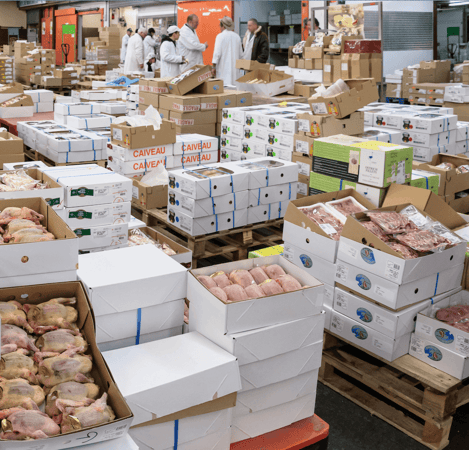
Why is temperature so important in food storage? The bacteria that cause foodborne illness, called pathogenic bacteria, can grow rapidly in food that’s above 40 ⁰F and can double in number in little as 20 minutes. Pathogenic bacteria doesn’t affect food’s odor, taste, or appearance, so you can’t tell it’s there. As a safety precaution, the USDA suggests not consuming meat that has been left above 40⁰F for more than two hours. This not only applies to raw food, but cooked food as well. This is another example of where remote temperature monitoring is so important. What if your refrigerator’s not working right? Sure, it may seem like it’s okay, but maybe the temperature controller’s not working right, or maybe it’s the compressor. You may have set it to store food below 40⁰F, but maybe …