
Foodborne illness outbreaks are a publicity nightmare, plain and simple. In the era of social media, consumers are using Facebook, Twitter, Yelp, and other forums to voice their every complaint. You can pretty much bet that the news of a single case of food poisoning will spread to hundreds or thousands of people in a mere matter of minutes. Making the headlines can damage a successful restaurant’s reputation and negatively impact customer loyalty – even if posted reports are false rumors. In a 2016 survey of 500 consumers: 62.5% claimed awareness of a food safety incident at a restaurant in the last six months. 37.5% would avoid eating at an entire chain for more than six months if an outbreak is linked to multiple locations. 31.7% of the respondents said they’d never eat at that chain …
Connected Insights Blog

There are numerous factors involved in effective and efficient fleet management, including investing in the right technology and utilizing it to protect your investment. It also hinges on having a robust maintenance program to carefully maintain and manage your fleet in order to avoid unforeseen costs and expensive downtime. Excellence in fleet management also works under the premise that if it's not measured, it's difficult to manage; therefore, key performance indicators are essential. Here are four tech solutions to consider in building your overall strategy. 1) Telematics Telematics are one of the most useful tools for fleet operators to account for deficiencies in their route planning. Additionally, they gain better control over field problems, safety performance, and delivery …

Every organization involved with the food supply chain shares responsibility for the safety of food. Essential components of the chain include growing, processing, packaging, labeling, distributing, storing, preparing, selling, and serving food. At each of these stages of the industrial food system, food products may be exposed to various levels of risk. The federal government oversees this system by establishing standards, legislating regulations, and enforcing their compliance. In this post, we survey the key food safety laws of the last 100 years that have culminated in the Food Safety Modernization Act of 2010, taking special notice of their historical importance and basically reactionary approach based on responding to – rather than preventing – food safety disasters. How Are Food …

How do we improve traceability in food value chains? A recent report by the World Economic Forum in collaboration with McKinsey & Company outlines in great detail new strategies that stakeholders can take advantage of. They explore ways within complex and extended supply chains that those responsible for marketing perishable goods can take to improve the traceability of food shipments within their value chains as they're shipped around the world. The Vast Global Food Chain The report begins with an overview of the vast food value chain that now exists: "The food and agriculture sector is the single largest employer in the world, despite a majority of its workers living in poverty," the report states. "Nearly one-third of global food production is wasted, yet up to 800 million people …
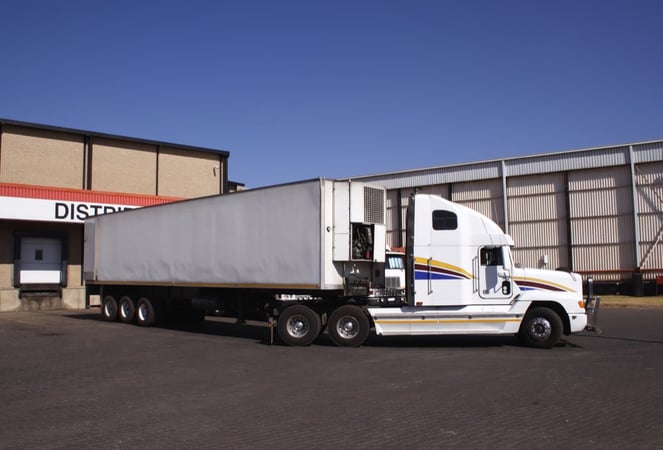
Refrigerated and temperature-controlled cargo is becoming more popular as more commodities require specific climate conditions for transport. More and more goods are traveling around the globe, and often these commodities have a higher value because of their perishable characteristics. This includes produce and other food perishables as well as pharmaceuticals and medicinal products that must be kept in a temperature-controlled environment. For fleet managers and transportation managers, this poses some new challenges, especially in risk management. Because any failure to maintain temperature or other required climate characteristics can result in damage or cargo loss, more is at stake. Therefore, careful temperature management practices must be ensured in order to prevent such losses. …

California has experienced unusual weather throughout its 169 year history, but more recently the most populous U.S. state has seen widespread droughts and severe wind. This has caused utility companies to take proactive measures to prevent wildfires - another issue this state is no stranger to. Drought and wind contribute to starting wildfires, leading to the difficult decision of cutting off power for customers. The utility companies are turning off power because of aging infrastructure that can cause wildfires in peak-demand conditions. Despite warnings from the utility companies, organizations will have to take precautions to ensure that the power outage won’t negatively impact their business. This is particularly damaging to businesses that have stock of perishable foods, such as …