
Hospitals have faced continued, significant financial headwinds over the last several years, and 2026 is shaping up to be no different, even as technology budgets grow. Cost pressure is rising, ROI expectations remain elevated, and hospital teams are operating with limited resources and talent, increasing scrutiny on every dollar spent. CFOs have far less tolerance for risk as financial strain and pressure for measurable returns intensifies. Against this backdrop, CFOs are applying a more informed and experienced lens to technology budgets. Rather than evaluating investments at a high level alone, finance leaders are drawing on a clearer understanding of which pilots succeed, where technologies fall short, and how hidden risks ultimately show up on the balance sheet. As proving ROI …
Posts about Healthcare (2)

The primary role of ambient temperature monitoring in hospitals is to create a safer environment for both patients and healthcare providers. At the core of this undertaking are IoT-enabled technologies with machine-learning (ML) capabilities that automate processes controlling thermal environments and air quality and flow throughout all hospital factifies, especially laboratories, storage areas, and patient, operating, and recovery rooms. Critical Considerations in Ambient Temperature Management Ambient temperature monitoring is crucial in hospitals in order to optimize patient wellbeing and recovery, potency of medications, functionality of medical assets, compliance to rigorous regulations, and staff comfort and performance. Patient comfort and recovery Comfortable hospital ambient …

Focusing more attention recently on patient-centered care, the U.S. healthcare sector has been motivated to establish more high reliability organizations (HROs). As defined by the federal government’s Agency for Healthcare Research and Quality, HROs are organizations that operate in complex, high-hazard domains for extended periods without serious accidents or catastrophic failures. Among the many standards sought to achieve HRO status, health care leaders prioritize safety and security by adopting IoT systems that anticipate and mitigate potential risks. In addition, they foster an enterprise-wide culture of heightened awareness, in which all stakeholders are alerted to potential hazards and actively seek to identify and address disruptions before they escalate, thereby reducing medical …
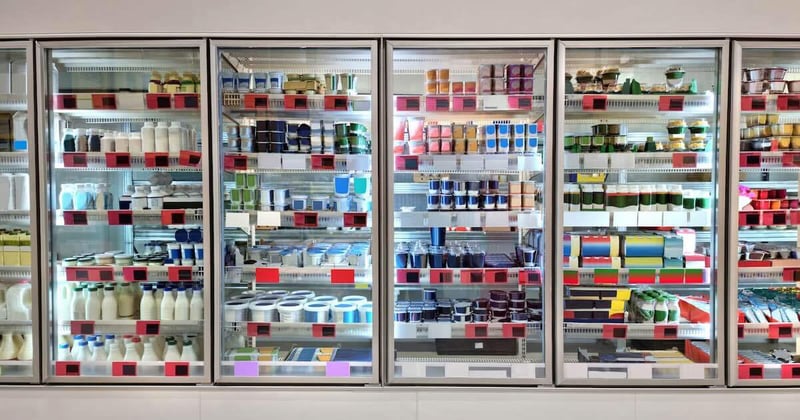
While a minority of food companies and healthcare organizations continue to manually collect temperature logs to meet compliance regulations, most enterprises monitoring food, medicine, and vaccines have transitioned to digitalized sensors and probes that automatically measure and store temperature readings. That’s great news. Even better, more sophisticated methods are now available that enhance the use of digital sensors: temperature monitoring systems that incorporate machine learning (ML) models for advanced analysis of the health and performance of refrigeration and freezing assets that protect perishable products. Ultimately, the goal of these measures is to collect and analyze large data sets to predict and prevent potentially damaging excursions to ensure product safety and …
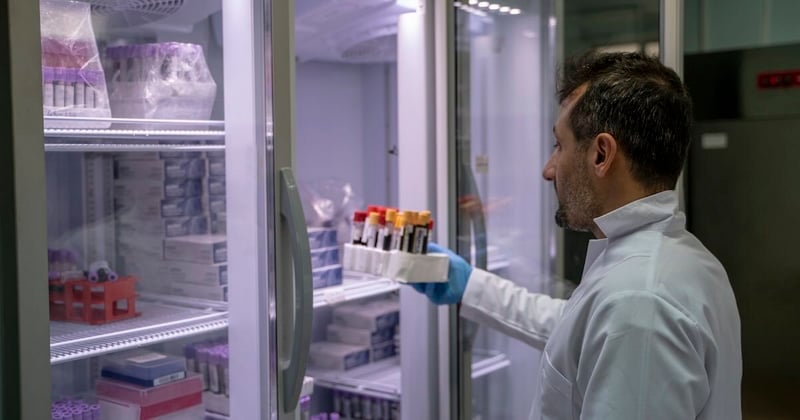
Improving the asset health of medical refrigeration depends on real-time condition monitoring, preventive maintenance, and energy conservation that keep cooling equipment reliable across the healthcare cold chain. These practices help hospitals, clinics, pharmacies, and pharmaceutical companies catch mechanical failures and environmental excursions before they threaten the safety and potency of vaccines, medications, and lab samples. Table of Contents: What is asset health management? How to ensure the safety and potency of medical products Pros of digitalizing and automating medical refrigeration asset health Features of proactive protocols and preventive maintenance How to audit and optimize efficient energy consumption What are the benefits of sustainability initiatives? Reducing …

What are cold chain operations in the pharmaceutical industry? In the United States, 165,000 clinical trials each year are carefully designed and conducted to test the safety and efficacy of drugs before they are approved by the FDA. Because many medications, in particular vaccines, must be stored and transported in refrigerators and freezers, an intricate and complex cold chain is required to ensure they are continuously maintained within their proper temperature ranges. Pharmaceutical and biotechnology companies frequently hire Contract Research Organizations (CROs) to manage clinical trials through all their stages. Rising pressure on these companies to be first to market can fast-track research to control costs, which also potentially adds greater risk to the integrity of experimental …