It’s pretty remarkable how inpatient, outpatient, and pharmaceutical services have become integrated by new technologies. We often take for granted that doctors can now submit our prescriptions electronically to a pharmacy, which can match them to our online profiles to check for side effect complications, and then send them by express delivery to our front doors. Not long ago these steps had to be conducted manually, over the phone, or face to face. In this post, we’ll take a look at VistA, a key technological milestone in the advancement of healthcare into the digital age. Developed and first implemented by the Veterans Health Administration, it is now the premier model for Electronic Health Record (EHR) systems across the country. What started as a program to improve healthcare for …
Posts about Healthcare (5)

Organizations of all types and sizes are working hard to keep up with the growth of new data in 2018 – and succeeding! The abundance of data today is enabling organizations to make more informed decisions and provide higher quality services. But where is all this new data coming from? AI and Automation in Healthcare The answer lies largely in automation and artificial intelligence. AI systems and automated technologies allow us to collect a higher volume of more reliable data than any previously established manual process. In recent years, they have been providing key upgrades in the medical field. Both lend themselves well to medical settings because of what they are designed to do: artificial intelligence aims to replicate human thinking, making live decisions based on data it collects, …

Hospitals have an obligation to ensure that their patients are healthy: from the medication they take to the food they eat, the last thing a patient should experience is an illness caused by a lapse in safety precautions. With many legacy technologies still in use today, the likelihood of a temperature excursion affecting food or medication should be taken seriously. Despite new regulations mandating the use of more effective monitoring equipment, the healthcare industry is lagging behind when it comes to adopting new technology. Old hospital monitoring systems tend to be cumbersome; a plethora of wires, solutions that are hard to use and harder still to implement, and many more issues cause heartache for any hospital administrator attempting to adopt a new system. Half the battle is …
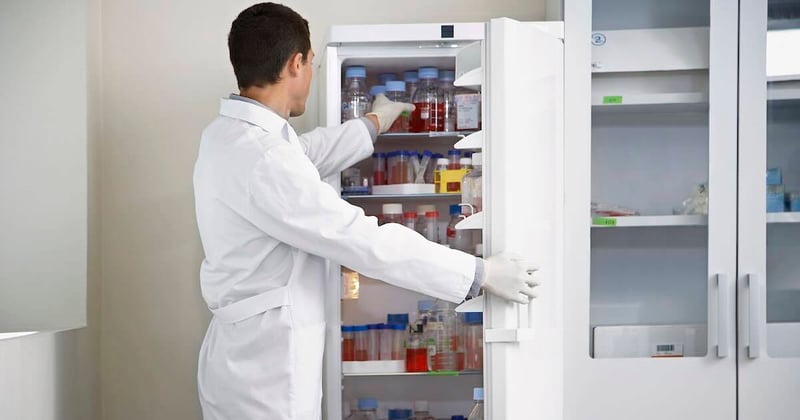
The Viability of Pharmaceuticals in the Supply Chain There’s a chain of responsibility that comes into play when proper storage of pharmaceutical products is on the line. Product viability ensures the intended effectiveness of the product, which then maximizes the health and well-being of the recipient or the consumer. The integrity of many products can be affected if left outside room temperature, while others can risk consumer safety if not properly—and consistently—refrigerated. The product viability of pharmaceuticals starts at the source. All suppliers have an obligation to ensure proper storage conditions at their sites and to ensure that shipping processes maintain product integrity throughout product receipt by healthcare professionals. Those healthcare professionals monitor …
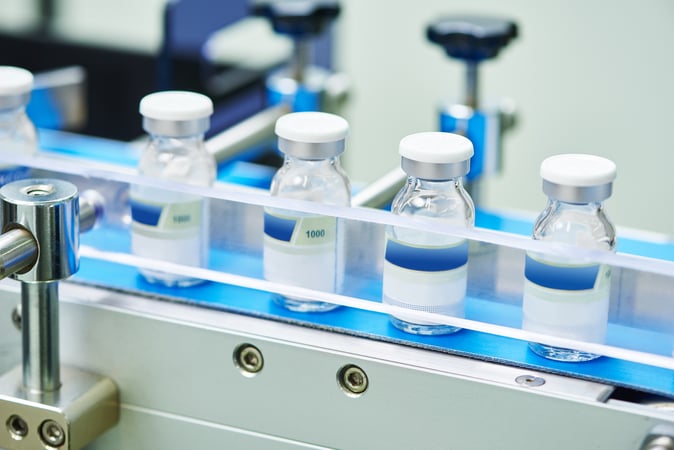
A temperature excursion doesn't announce itself with much warning. A door left ajar, a compressor that fails overnight, a power outage during a weekend nobody was watching. Suddenly you're looking at a storage unit full of vaccines or perishables that may or may not still be viable. What you do in the next few minutes matters a lot. What Is a Temperature Excursion? A temperature excursion is any temperature reading outside the ranges specified in a product's manufacturer package insert. For vaccines, the CDC defines standard refrigerated storage as 2°C to 8°C (36°F to 46°F) and frozen storage as -50°C to -15°C (-58°F to +5°F). For food service, the FDA's Food Code requires cold food to be held at or below 41°F and hot food at or above 135°F. Even a brief excursion can reduce or destroy …

The Wireless Temperature Monitoring (WTM) devices have arrived, now what do I do? Okay, the long search for the optimal WTM system has been completed. The wireless technology works in all locations to be monitored. AC and/or battery powered devices are specified and arrive. Now what does one do? In this ongoing series about NYC Hospital Queens’ experience in selecting and installing a WTM system to monitor temperature-sensitive medications (e.g. vaccines) and blood in hospital refrigerators (Link to Article) some consideration as to the placement of temperature sensors in the hospital’s medical refrigerators is given. Sure, the sensor will go into the refrigerator to monitor the storage temperature of prescriptions, vaccines, blood, or similar temperature-sensitive products. Once …