
According to an SAP survey from 2022, a majority of senior executives at enterprise businesses reported that the unprecedented supply chain disruptions caused in large part by the COVID-19 epidemic are still ongoing and that, consequently, their supply chains need significant improvements. During the last five years, it has become evident that in order to overcome these supply chain challenges, companies must leverage advanced technologies, including the Internet of Things (IoT), artificial intelligence (AI), and machine learning (ML). The growing acceptance of digitalization and prescriptive analytics demonstrates that business leaders recognize their critical role in optimizing inventory management and ensuring asset safety and quality. In fact, the global market value of IoT in Supply …
Posts about Life Sciences

Focusing more attention recently on patient-centered care, the U.S. healthcare sector has been motivated to establish more high reliability organizations (HROs). As defined by the federal government’s Agency for Healthcare Research and Quality, HROs are organizations that operate in complex, high-hazard domains for extended periods without serious accidents or catastrophic failures. Among the many standards sought to achieve HRO status, health care leaders prioritize safety and security by adopting IoT systems that anticipate and mitigate potential risks. In addition, they foster an enterprise-wide culture of heightened awareness, in which all stakeholders are alerted to potential hazards and actively seek to identify and address disruptions before they escalate, thereby reducing medical …
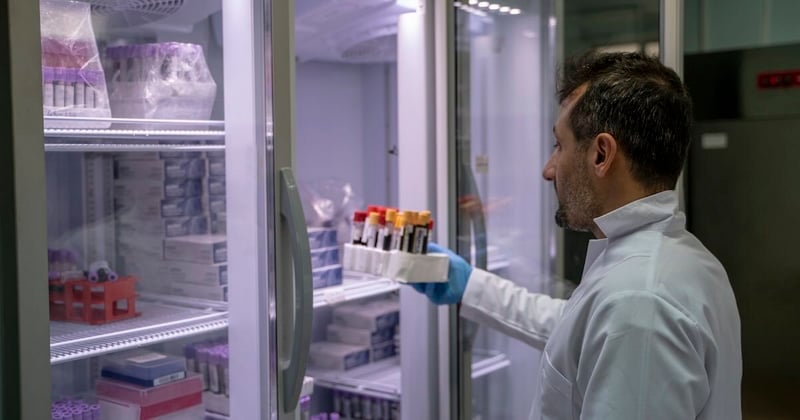
Improving the asset health of medical refrigeration depends on real-time condition monitoring, preventive maintenance, and energy conservation that keep cooling equipment reliable across the healthcare cold chain. These practices help hospitals, clinics, pharmacies, and pharmaceutical companies catch mechanical failures and environmental excursions before they threaten the safety and potency of vaccines, medications, and lab samples. Table of Contents: What is asset health management? How to ensure the safety and potency of medical products Pros of digitalizing and automating medical refrigeration asset health Features of proactive protocols and preventive maintenance How to audit and optimize efficient energy consumption What are the benefits of sustainability initiatives? Reducing …

What are cold chain operations in the pharmaceutical industry? In the United States, 165,000 clinical trials each year are carefully designed and conducted to test the safety and efficacy of drugs before they are approved by the FDA. Because many medications, in particular vaccines, must be stored and transported in refrigerators and freezers, an intricate and complex cold chain is required to ensure they are continuously maintained within their proper temperature ranges. Pharmaceutical and biotechnology companies frequently hire Contract Research Organizations (CROs) to manage clinical trials through all their stages. Rising pressure on these companies to be first to market can fast-track research to control costs, which also potentially adds greater risk to the integrity of experimental …
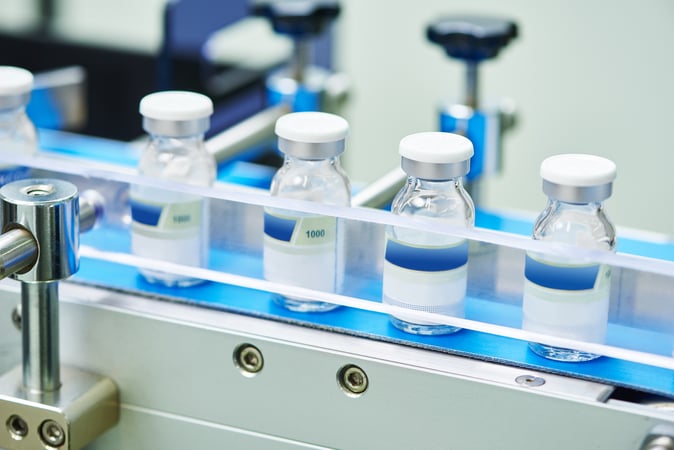
A temperature excursion doesn't announce itself with much warning. A door left ajar, a compressor that fails overnight, a power outage during a weekend nobody was watching. Suddenly you're looking at a storage unit full of vaccines or perishables that may or may not still be viable. What you do in the next few minutes matters a lot. What Is a Temperature Excursion? A temperature excursion is any temperature reading outside the ranges specified in a product's manufacturer package insert. For vaccines, the CDC defines standard refrigerated storage as 2°C to 8°C (36°F to 46°F) and frozen storage as -50°C to -15°C (-58°F to +5°F). For food service, the FDA's Food Code requires cold food to be held at or below 41°F and hot food at or above 135°F. Even a brief excursion can reduce or destroy …
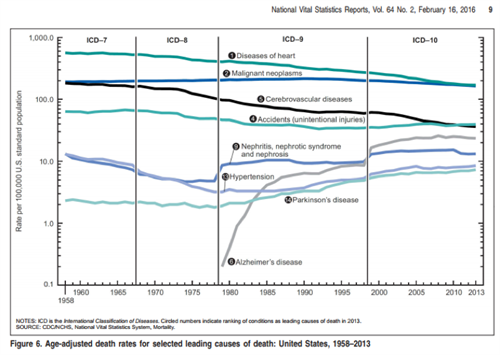
Clinical trials are the lifeblood of the pharmaceutical industry. Without successful new drug development, brands would become commoditized as patents expire and low-cost generics enter the market. To understand where new drug development is concentrated, we must look at the leading causes of death. The 2016 CDC National Vital Statistics Report, Deaths: Final Data for 2013, calculates the 15 leading causes of death in the U.S. in 2013: Diseases of heart (heart disease) Cerebrovascular diseases (stroke) Alzheimer’s disease Diabetes mellitus (diabetes) Influenza and pneumonia Nephritis, nephrotic syndrome and nephrosis (kidney disease) Intentional self-harm (suicide) Septicemia Chronic liver disease and cirrhosis Essential hypertension and hypertensive renal disease (hypertension) …