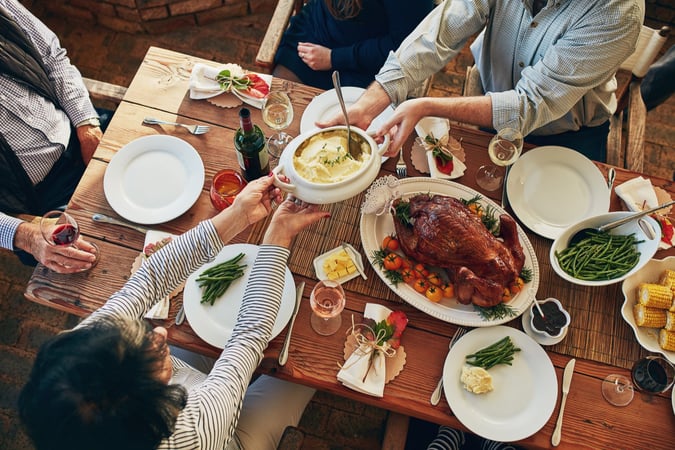
Thanksgiving is just around the corner – do you have your turkey and all the fixings for your Thanksgiving dinner ready to go? Better yet, do you know what your turkey has been through to make it to your dinner table!? Retailers and distributors sure do. They understand the high-demands of the holiday season better than anyone else. It's becoming increasingly important to respond to these demands with technology that helps to prevent foodborne illness, reduce product loss, and ultimately, keep customers happy. So whether consumers plan to eat a standard turkey dinner, prefer to eat vegetarian, or will make an attempt at cooking the turducken, at least some of the food required to complete your meal is sourced from another state. Let's take a bird's eye view of the process to understand …
Articles from SmartSense by Digi
Recent Posts

Amazon GO is the latest innovation in the master plan of CEO Jeff Bezos to compete in the brick-and-mortar retail business. The new chain’s gimmick? No checkout, no lines, just shop and go! If it sounds like a 3D version of Amazon.com, that’s intentional. The concept of the new chain is touted by Bezos as ‘revolutionary” in its use of smartphone and geofencing technologies to streamline the customer experience. Certainly, Amazon GO’s technology is state-of-the art and unprecedented in the food service industry. Nevertheless, the “cashierless concept” has been in use for years at Apple stores for products priced less than $100. Neither is the technology itself new but derived from self-driving cars. So, if not all that revolutionary in conception, with Bezos behind it, the GO concept could …
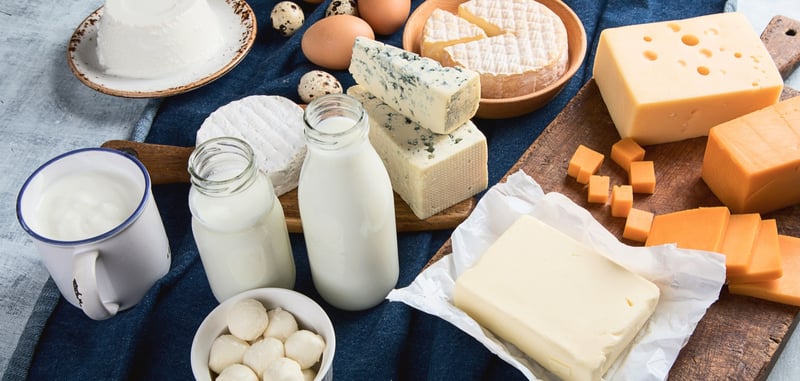
Milk and dairy products have been associated with foodborne illness for centuries. So it’s no surprise that they’re probably the most highly regulated foods. In fact, the milk industry was the first sector of the food industry to implement its own regulations to improve food safety. To get a little perspective – in 1924, when the first Pasteurized Milk Ordinance was passed, milk products accounted for 25% of all foodborne illness. Today, they account for less than 1%. Despite this amazing progress, occasional outbreaks still occur, although not nearly as frequently as eggs or leafy greens. The key to maintaining such high safety standards is an efficient and effective dairy supply chain. Time, temperature, distance, innovation, and packaging are especially important considerations. The …

Healthcare is complicated for the simple reason that people are complicated. Every human is unique, and the problems they experience that lead to hospitalization are in no way trivial. This puts enormous pressure on healthcare providers to ensure safety for their patients. There is an opportunity for improvement in every aspect of health care; from the operating table to prescribing medication post-op, mistakes are made, and unfortunately, lives are lost. More lives, in fact, than the deaths attributed to motor vehicle accidents, breast cancer, or AIDS. In addition to lives lost, national costs associated with preventable, adverse medical events cost more than $20 billion per year. Investing in patient safety can significantly reduce these costs, leading to lives saved and fewer wasted …

We all read the headlines about foodborne illness outbreaks at top national chain restaurants. Naturally, these big stories attract both the public and the press. But have you ever wondered if the violations that cause these infamous outbreaks are relatively rare events or more common among all restaurants, large and small? That’s a question the FDA tries to answer every fiscal year. From October through September, the agency’s Office of Regulatory Affairs, which is responsible for all restaurant and commercial kitchen inspections and enforcement, publishes a compilation of their food safety violations, referred to as the annual Inspection Observations. This database lists citations that FDA agents have handed out during routine food facility visits across the country. The Five Most …
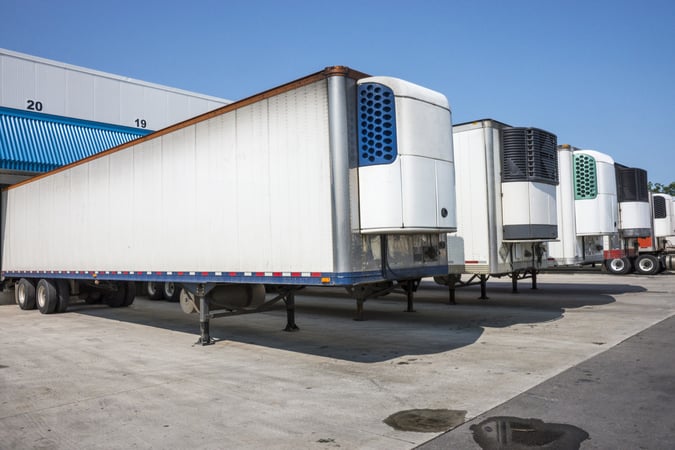
In 2017, Baxter International shipped INTRALIPID 20% IV Fat Emulsion, 100 mL, to hospitals and healthcare providers in the United States. The shipment never made it. The product had been exposed to subfreezing cargo temperatures, outside of the acceptable temperature storage range listed on the product labeling during transit to a distribution facility. It was then recalled, resulting in major losses for the company and disappointed customers who never received their anticipated delivery of an important pharmaceutical. When cargo requires delicate environmental conditions, it is at risk. That’s often the case for commodities such as pharmaceuticals, produce, frozen foods, and other perishable products that need temperature monitoring in transit. When cargo is damaged, spoiled or lost, …