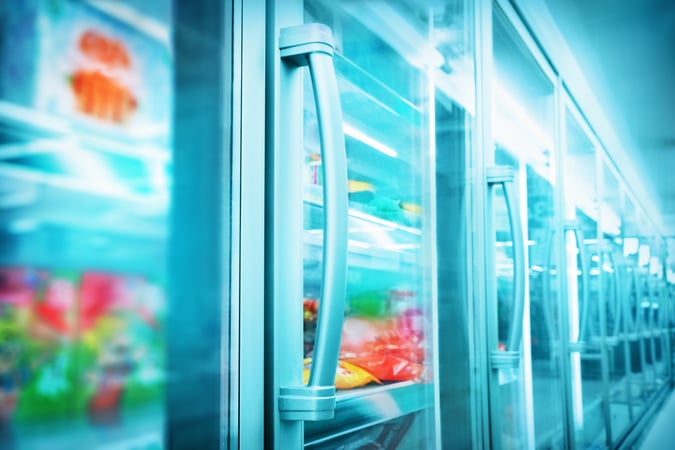
When installing continuous temperature monitoring systems for food and medication safety initiatives, device placement should be at the very top of your list of considerations. This decision requires careful thought, and in-field testing and proofs of concept can definitely benefit the process. Here’s why: Microclimates A microclimate occurs when there are differences between climates in and surrounding a particular environment. Refrigerators and freezers of all shapes and sizes exhibit microclimates. It’s not unusual to see temperature differences across locations within a refrigerator or freezer — and it isn’t uncommon to see variances of a few degrees or more at any time within a single fridge. When monitoring temperature for medications, the CDC recommends placing your continuous …
Articles from SmartSense by Digi
Recent Posts
Micromarkets are a nationwide phenomenon that is reinventing our conventional models of convenience in the foodservice industry. While not radically different from previous vending models, micromarkets promise consumers more access to fresh food and beverages in workplaces and living environments, typically with limited vending options. If you haven’t heard about micromarkets, you will soon enough, as they are expected to grow exponentially over the next decade. In this post, we’ll introduce you to this foodservice innovation by highlighting the following topics: What is a micromarket? How fast is this market segment growing? What are the benefits for consumers and for vendors? What new opportunities does the future hold for this emerging industry segment? What Is a Micromarket? A …
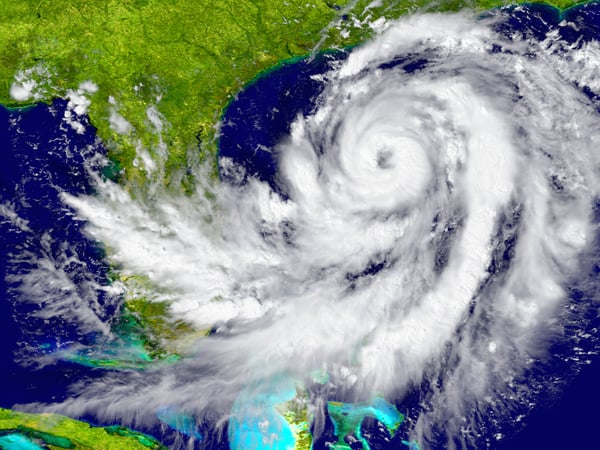
Disasters like the recent hurricanes can be costly for companies that rely on power to keep their products protected. Using both temperature and power outage data, our pharmacy clients were able to assess both product and revenue loss in ways that allowed them to continue to assist patients to the best of their best ability. We evaluated power outages across 1,200 locations we monitor in Florida to generate a time-lapse map that shows the power loss impact of Hurricane Irma. To generate the map, we looked at over 1,200 pharmacies with gateways installed. Each gateway reports over the cellular network every 15 minutes, letting us know if it is on AC (wall) power or its backup DC (battery) power. The map was colored by dividing the state into "regions of influence" for each pharmacy. Each …
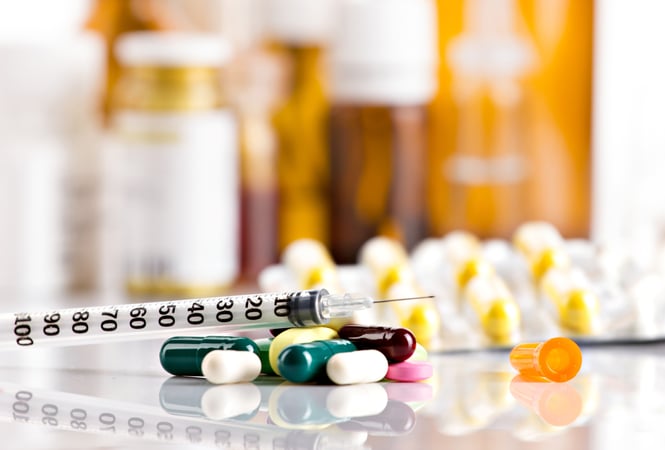
Pharmacy temperature compliance is inherently complex. That probably doesn’t come as a surprise. But, there’s a historical reason for this complexity. Currently, at least four different regulatory and non-regulatory bodies govern all of those rules and regulations: USP, CDC, FDA and State Boards of Pharmacy. Not only that, but the rules, regulations, and guidelines are constantly evolving. And any decision made by one body could have a ripple effect on the others. To sort out these relationships, in this post we take a high-level look at each of these agencies to see how they operate together to set temperature monitoring guidelines for pharmacy safety. U.s. Pharmacopeial Convention First up is the U.S. Pharmacopeial Convention (USP). This not-for-profit organization sets standards for …
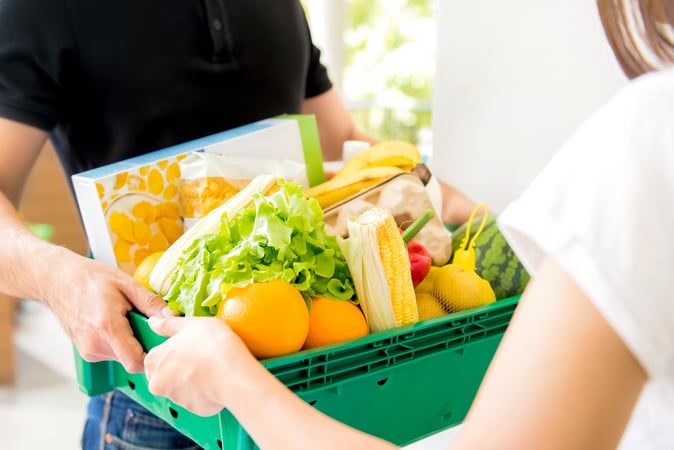
In our previous post about home delivery, we looked at some of the reasons for the growth of home delivery service and the common food safety challenges associated with it. In this post, we will take a deeper look at both policy and industry recommendations regarding four key food safety concerns: Temperature monitoring Food safety information and labeling Packaging and transportation environments Customer support What is The Sabert Study? In 2015, Sabert, a leading global manufacturer of innovative food packaging solutions, conducted a study to evaluate the current state of food delivery. They wanted to assess how food retailers and restaurants performed in three distinct categories of delivery service—food packaging, delivery service, and food quality. The results indicated that a …
Hurricane Harvey teaches us how valuable internet connected sensors (IoT) can be to business operations. Disclosure: Our company, SmartSense, has deployed internet-connected sensors at over 50,000 locations to automate food safety and pharmacy safety. Remote monitoring systems can provide both important insights into your day-to-day operations, as well as play a central role in your response to natural disasters, such as hurricanes, floods, earthquakes, and tornadoes. For example, during Hurricane Harvey, large restaurant chains and pharmacies used data from their SmartSense sensor networks to make time-sensitive decisions about power loss and potential temperature damage to food supplies and medical supplies. Here are some of the insights that we took away from helping large (and small) …