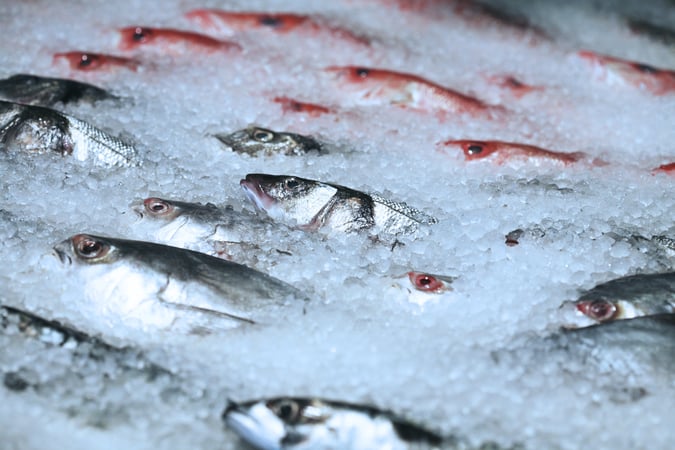
Twenty percent of the total United States’ food supply is imported. To break that down, 70% of our seafood is imported, as well as 35% of our fresh produce. That’s a lot, and it could likely include foods that are being distributed to your restaurants. So, how do we know that the imported food is safe? That’s why we have the Foreign Supplier Verification Program (FSVP). FSVP is part of the Food Safety Modernization Act (FSMA), and it protects food that is being imported into the United States. While the FDA hasn’t yet provided restaurants with specific guidance, there are still key aspects to familiarize yourself with, especially if you qualify as your company’s importer. FSVP ensures that foreign foods are being supplied and imported safely. That means products must meet the same level …
Articles from SmartSense by Digi
Recent Posts
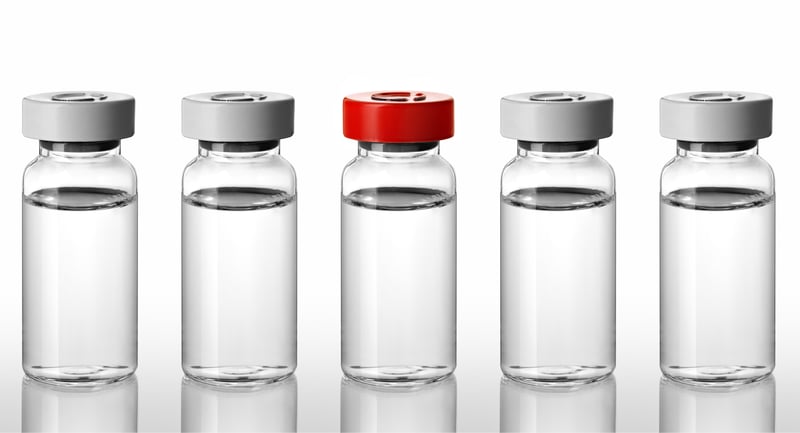
SmartSense assists companies across a wide range of domains in setting up remote environmental monitoring systems. A common reason our customers install remote monitoring systems is to assure that their products are safe for consumers. Two major industries that use our technology are pharmaceutical applications and food services. Pharmaceuticals, such as vaccines, can lose their potency if they are not stored within a specific temperature range, which can leave patients vulnerable.Foods can spoil, raising the risk of foodborne illness. Retailers of high-risk products are often required to monitor the environments that these products are stored in and to maintain logs as evidence that their products have been stored properly. For our pharmaceutical clients, the CDC promotes the use of …
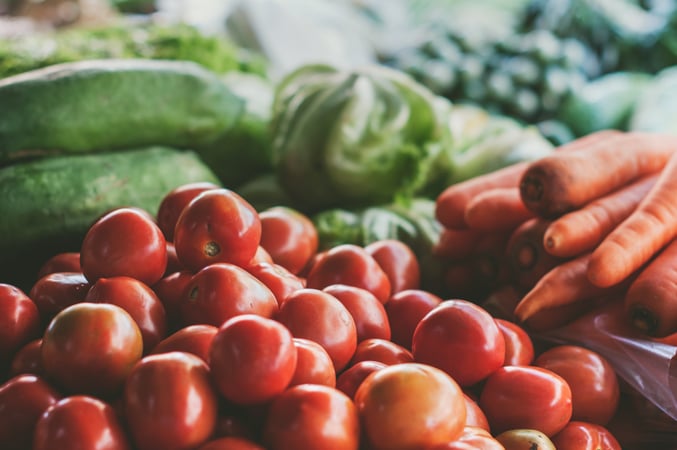
For the rules that apply now, start with Key Federal Food Safety Laws: A Complete Compliance Guide (Updated 2026). The FSMA Rule on Sanitary Transportation is one of seven foundational rules proposed by the FDA to create a risk-based framework for food safety. The overall objective of the rule is to prevent practices during transportation that create hazards, such as failure of refrigeration, inadequate cleaning of vehicles, and inappropriate packing materials. Ultimately, the rule was put in place to minimize the potential of a foodborne illness outbreak among consumers. Who Is Covered by the Transport Rule? Primarily, FSMA compliance, or more specifically the Transport Rule, establishes requirements for shippers, loaders, carriers by motor or rail vehicle, and receivers across the food …
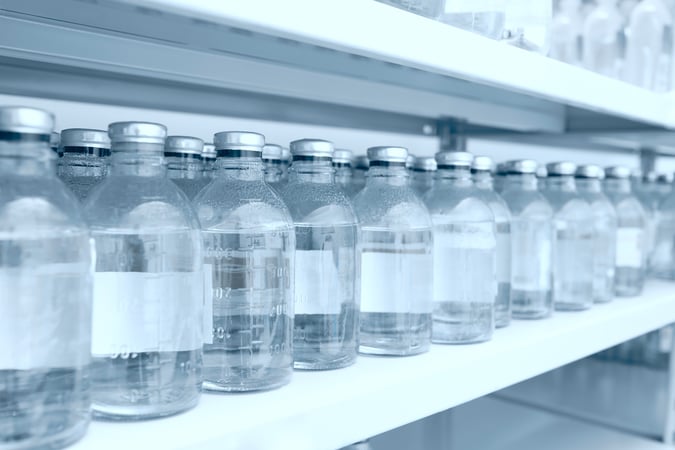
The CDC does not recommend the transport of vaccines - with good reason. However, there are ways to do it safely in an emergency situation. Refrigerated and frozen vaccines must maintain their optimal temperature values to preserve their potency. Transporting them only multiplies the opportunities for temperature loss due to the potential of uninsulated packaging, warm storage spaces in transport vehicles, or improper coolant materials. All the more reason that being able to monitor vaccines’ temperature directly inside the container is essential to ensure potency. In this post, we’ll review some of the best practices for proper vaccine transport. Vaccine Transport Containers and Materials Proper supplies are essential for the safe transport of vaccines. These should include at a minimum: …
For the rules that apply now, start with Key Federal Food Safety Laws: A Complete Compliance Guide (Updated 2026). When the Food Safety Modernization Act (FSMA) passed in 2011, it shifted U.S. food safety policy from a reactive afterthought to a proactive mission. That is, rather than responding to contamination after the fact, the law mandates preventing problems during manufacturing and transport before they occur. FSMA also provides the FDA with new enforcement authorities to achieve higher rates of compliance and tools to hold imported foods to the same standards as domestic foods. The goal of FSMA is to integrate local and state guidelines into a national food safety system that better protects public health and keeps consumers safe. FSMA is an important new law for food safety and …
A temperature excursion doesn't announce itself with much warning. A door left ajar, a compressor that fails overnight, a power outage during a weekend nobody was watching. Suddenly you're looking at a storage unit full of vaccines or perishables that may or may not still be viable. What you do in the next few minutes matters a lot. What Is a Temperature Excursion? A temperature excursion is any temperature reading outside the ranges specified in a product's manufacturer package insert. For vaccines, the CDC defines standard refrigerated storage as 2°C to 8°C (36°F to 46°F) and frozen storage as -50°C to -15°C (-58°F to +5°F). For food service, the FDA's Food Code requires cold food to be held at or below 41°F and hot food at or above 135°F. Even a brief excursion can reduce or destroy …