
Over the last couple of years, restaurants have begun adopting wireless sensors and digital checklists to improve food safety. This has marked the beginning of the digital food safety era. However, organizations are still figuring out how digital systems impact their restaurants. What we have seen at SmartSense is that the impact of digital food safety goes far beyond food safety. Here is what we have observed from working with some of the leading restaurant chains on digital food safety initiatives. Risk Management No restaurant wants to get Chipotle’d. Last year, Chipotle suffered an outbreak which led to a 23% drop in sales and an $8 billion loss in market value. One year after the incident, we are seeing almost every major restaurant chain evaluating digital food safety programs. …
Articles from SmartSense by Digi
Recent Posts

What is the vaccine cold chain? The short answer is: the maintenance of a temperature-controlled environment to ensure vaccines are transported and supplied in optimal condition. The cold chain begins with the refrigerated storage unit at the manufacturing plant, extends through delivery by distribution vehicles to the provider facility, to storage at the pharmacy or hospital, and ends with administration of the vaccine to the patient. Appropriate conditions must be maintained at every link. Otherwise, failure to store, handle, and transport vaccines properly can reduce their potency, resulting in inadequate immune responses in patients and poor protection against disease—let alone, a waste of time and money for the pharmacy. Assuring vaccine quality and maintaining the cold chain is a …

Food preparation, holding, serving, and storing is a complex chain of interdependent touchpoints. Perhaps no product other than food undergoes such rapid and drastic temperature changes, from freezing in storage to piping hot in the oven, often in a matter of minutes. What is The Restaurant Food Chain? At each touch point of the restaurant food chain, staff and managers must be extra careful about ensuring everything is being properly stored. At each stage, multiple, thorough checks need to be done. Refrigerators & Freezers: Temperatures can rise quickly out of safe range depending on how often the door is opened, the kinds and amounts of foods stored, as well as their temperature when first put in the unit. Upon receiving shipments, the temperature of perishable food should be …
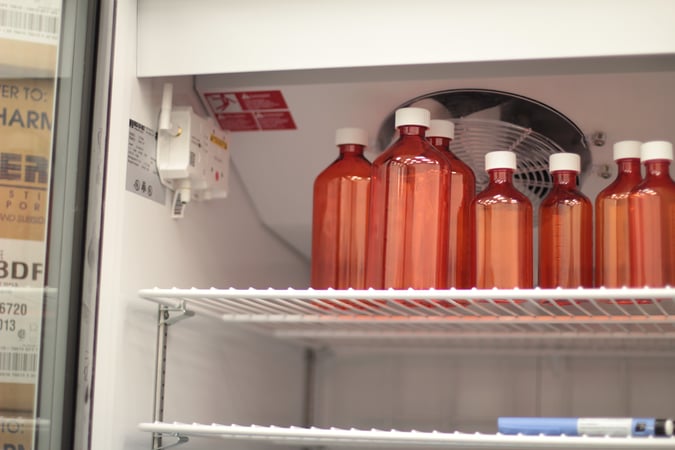
If there’s one rule to follow when refrigerating vaccines and diluent, here it is: Always refer to the manufacturer’s product information and package inserts for the most up-to-date recommendations. That said, specific vaccines and diluents generally fall into a few categories with the following guidelines: All vaccines except those containing varicella should be stored between 2° C and 8° C (36° F and 46° F), with a desired target temperature of 5° C (40° F). Measles, mumps, and rubella vaccines may be stored in either a refrigerator or freezer. Some diluent must be refrigerated, while others may be stored in the refrigerator or at room temperature (no warmer than 25° C [77° F]. Best Practices for Storage in a Refrigerated Unit When it comes to storing drugs in a refrigerator, it’s all …

Recently, SmartSense exhibited at the National Restaurant Association (NRA) show in Chicago, IL. The NRA is the largest foodservice trade association in the world and supports over 500,000 restaurants. In addition to restaurants, in attendance at the show were e-commerce companies, technology companies, equipment manufacturers, and restaurant suppliers. It was great to connect with other industry professionals to discuss digital food safety. Digital Food Safety The latest hot topic within the industry is digital food safety. It is important to ensure that food is safe for consumption. In the past, food safety processes have been primarily manual. Now, technology is taking over the foodservice industry and is fueling the shift from traditional to digital. A primary way to keep food safe is …
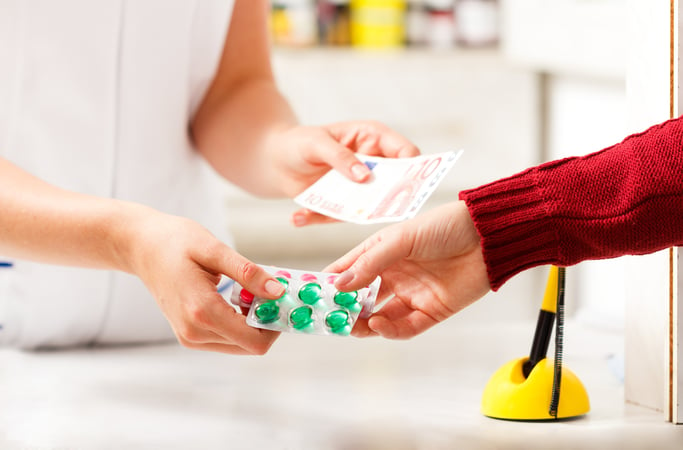
Pharmacies are the go-to source for life-saving medications, especially ones which treat rare diseases and disorders. The costs of these drugs can be quite high. More than ever, maintaining vaccines, insulin, and other pharmaceuticals at their optimal temperature is paramount to ensure their efficacy. Otherwise, you run the risk of even higher costs if damaged drugs need to be replaced or re-administered due to degraded quality. Unfortunately, subjecting drugs to unsafe temperatures is all too common at pharmacies. A Wealth of High Cost Medications Patients and pharmacies greatly benefit from new medications that can be administered at home rather than at a doctor’s office. Products such as anti-rejection drugs, chemotherapy medications, and biologics can be costly. Many of these …