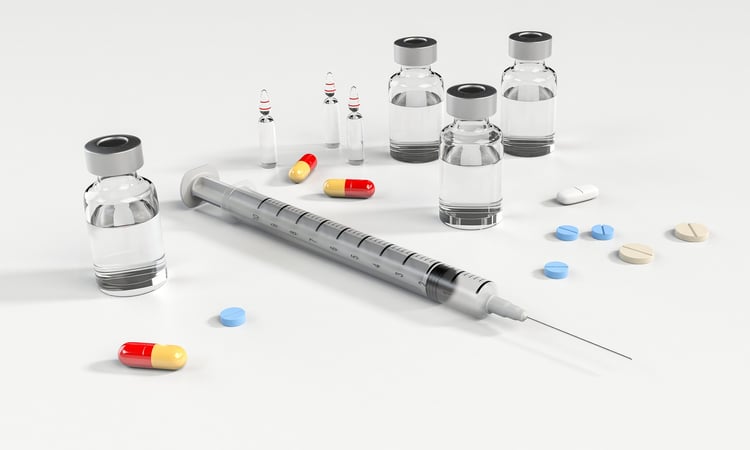
Think about all of the time, money, and care you invest in your pharmaceutical products throughout the R&D process. How terribly unfortunate it would be if damage from sub-optimal storage conditions kept them out of the market. Alas, regulations for such important concerns as hygiene, pharmaceutical asset monitoring, labelling, quarantine, and documentation are too frequently ambiguous, unenforced, or worst of all, simply ignored. In search of smart standards and guidelines for drug storage conditions, we consulted the Federal Drug Administration (FDA) and World Health Organization (WHO) for their recommendations. We’re hitting the highlights here, so be sure to visit their websites for more details. Hygiene of Pharmacy Equipment & Assets At the very least, storage areas for …
Articles from SmartSense by Digi
Recent Posts

Food safety is about more than reducing foodborne illness. It’s also about quality assurance. The primary goal of your restaurant’s food safety plan is to ensure quality by keeping the food you serve safe. The first step is to develop standard operating procedures (SOP) that address how you will control the most common risk factors responsible for foodborne illness. In this post, we’ll look at 4 essential safety procedures which are maintaining a sanitary kitchen, preventing cross contamination, encouraging good personal hygiene, and monitoring temperature. Maintaining a Sanitary Kitchen Perhaps more than any other SOP, maintaining a sanitary kitchen is imperative for reducing surface pathogens to safe levels. Simple steps you can take at little to no cost include: Cleaning and sanitizing …
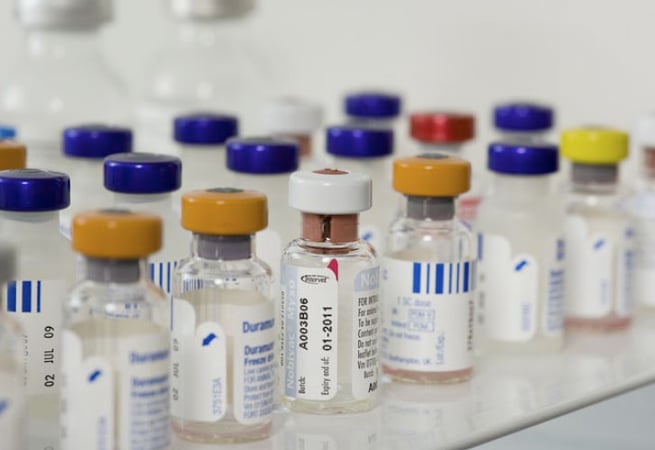
Did You Know the U.S. Does Not Regulate Vaccine Temperature? A big challenge for pharmaceutical companies today is monitoring the cold chain for vaccines in need of refrigeration. To make things more complicated, “colder is better” remains a common misconception among healthcare professionals when it comes to vaccine storage. In fact, accidentally over-chilling vaccines is more common than you may think and can result in the loss of money and time spent implementing revaccination programs. Unfortunately, U.S. agencies do not require rigorous regulations for monitoring vaccine temperatures. That’s why leaders in the health system need to educate all stakeholders throughout the cold chain about the consequences of inconsistent temperatures. Only then can effective monitoring plans be put in …

Keeping food free of pathogens should be a no-brainer. Since microorganisms grow best in warm conditions, the goal is simply to ensure proper storage that keeps food within a safe temperature range. Common sense, right? But refrigerators and freezers aren’t perfect. They can break down, power outages can turn them off, and busy employees can accidentally leave a door open. That’s why it’s important to have a temperature monitoring system in place to alert you if your refrigerator or freezer gets out of a safe range. Food Safety Monitoring for Quality & Compliance Whether you’ve implemented your own HACCP plan and/or follow FSMA guidelines, you know the risks of breaking the cold chain. Food producers, shippers, trucking companies, and other commercial establishments work together to …
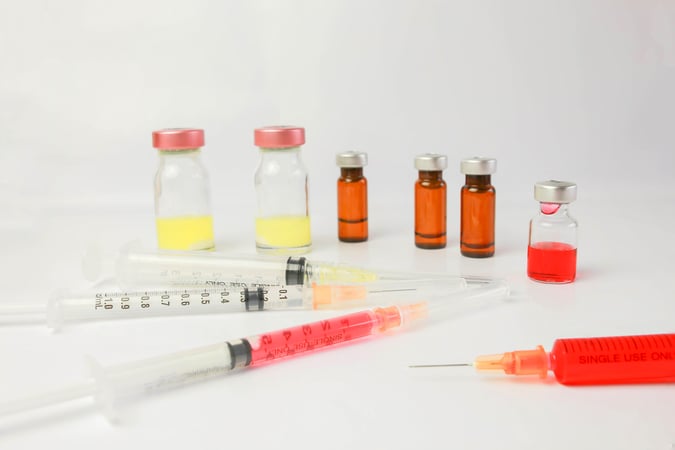
During the drug development process, it is imperative that your company determine the appropriate conditions for storage and transit of your products. The best way to discover optimal conditions is to conduct small-batch testing under a number of changing environmental situations. There are several factors to consider. Let’s take a closer look. Number and Size of Batches As part of good quality assurance procedures, pharmaceutical manufacturers must perform regular stability testing. Generally, you should place a minimum of three initial batches into a long-term stability program to ensure batch uniformity. This control helps establish an expiration date and environmental storage conditions. Accelerated Studies Performed Manufacturers typically use an accelerated process of environmental …
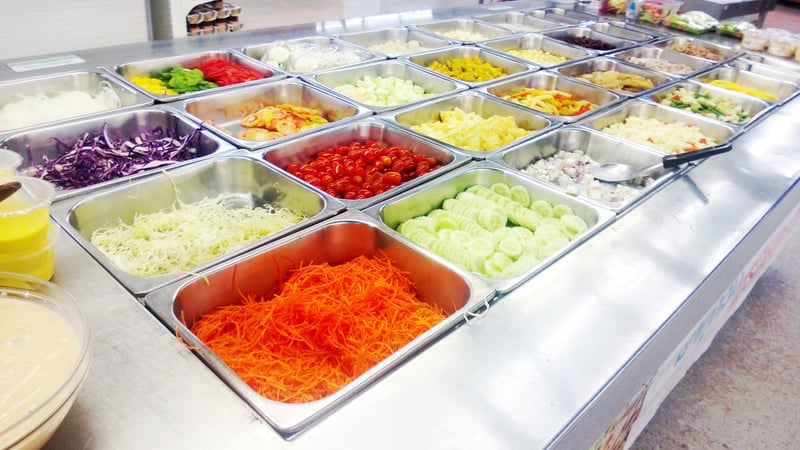
For the rules that apply now, start with Key Federal Food Safety Laws: A Complete Compliance Guide (Updated 2026). It’s always better to be proactive rather than reactive when it comes to food safety. In an effort to be more proactive, the Food Safety Modernization Act (FSMA) was created to protect food during manufacturing and transport. In the end it plays a major role in keeping consumers safe. FSMA: What is It? According to the CDC, 48 million people get sick each year from foodborne illness; that’s 1 in 6 Americans. The FDA designed FSMA to control the manufacturing and distribution processes of food. Not only does this law track compliance and quality assurance, it also keeps the end consumer safe. Although this law was put into place in 2011, it is still in the early stages of …