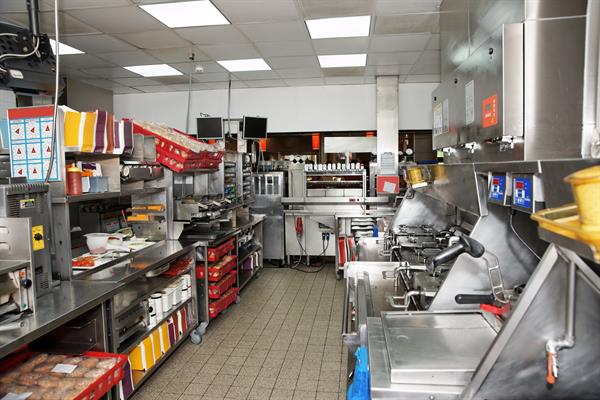
For the rules that apply now, start with Key Federal Food Safety Laws: A Complete Compliance Guide (Updated 2026). Food with Integrity: Don’t Learn the Hard Way In 2016, Chipotle’s famous tagline, “Food with Integrity,” sounded more like famous last words—even after many years of success. That’s what happens when outbreaks of E. coli, salmonella, and norovirus at your restaurant make front-page national headlines. Happily, the company has rebounded. Consumer and investor confidence is up—primarily because the CEO promised to implement a HACCP plan. Too bad the company’s sales sank 14% and its profits plummeted 44% without one. Chipotle learned the hard way. You don’t have to. HACCP: What is it? Hazard Analysis and Critical Control Point was first developed by NASA and Pillsbury. Back …
Articles from SmartSense by Digi
Recent Posts
This is a 2017 news post. For the rules that apply now, start with Key Federal Food Safety Laws: A Complete Compliance Guide (Updated 2026). In the food industry, there are many regulations in place to ensure the safety of food for consumers. These regulations are important to follow from farm to fork.Most recently, FSMA was put into place for regulating food throughout the supply chain. FSMA is extremely important to ensure that the food being delivered is safe for consumers. Food safety plans are important to have in place within all food establishments. Whether it’s a simple opening and closing checklist, or a more robust HACCP plan, safety should be a top priority. With all the rules and regulations, it may be hard to keep track on a daily basis. Which food safety resources should …
Biological hazards are an unforeseen threat to consumers. Much like with chemical hazards, it is the job of food service professionals to protect their consumers. Biological hazards are foodborne viruses, fungi, bacteria, and parasites. The most common biological hazards to be aware of are E. coli, Shigella, Norovirus, Salmonella, Hepatitis A, and Staph. A biological hazard outbreak can occur within any establishment. It’s important to be familiar with the hazards, prepare all food properly, and be highly selective of your vendors. Most biological hazards in restaurants are controlled by using the following four methods. Time The method of time measurement is useful for controlling the growth of bacteria. It’s important to remember that bacteria can grow rapidly in ‘The Danger Zone’, …

Who steps in when food prep staff members don’t show up for work? Who saves the day when a surge of customers creates a long line at the counter? Who takes control when staff members don’t perform a task in accordance with food safety protocols? The answer to these questions: Restaurant Supervisors. Restaurant supervisors are the newest superheroes in the battle against the pathogens attacking our food. They do this by reducing spoiled produce via food safety monitoring to prevent foodborne illnesses. They are dedicated to overseeing training, enforcing good hygiene practices, and ensuring that all food is safely handled and prepared. They understand that quality and service are important to running a restaurant. But they also understand that food service quality assurance monitoring is …
1 in 6 Americans contract a foodborne illness each year. Many illnesses occur from food consumed at restaurants. The CDC lists Norovirus, C. perfringens, Salmonella and Campylobacter as the most common foodborne illnesses in the United States. Norovirus is spread through human contact. Salmonella and Campylobacter are typically caused by improper food storage and preparation. Reducing outbreaks within restaurants is a team effort. Each person plays an important role in preventing outbreaks. Managers Managers lead the way in preventing foodborne illnesses. It’s the role of the manager to train and enforce proper behaviors. Employees must understand the benefits and practice proper food safety at all times. Food safety plans and checklists, like HACCP, are important to establish in your …

When you’re in a bathroom at a restaurant, you are bound to see a sign that reads ‘Employees Must Wash Hands Before Returning to Work’. When else should employees be washing their hands? The FDA advises that hands be washed after the following: Eating Drinking Using tobacco Coughing Sneezing Using tissue Preparing raw animal products Handling dirty equipment Touching the body (such as scratching your nose) Food service workers handle raw meat and could transfer pathogens to prepared food if they do not wash their hands in between. If employees do not wash their hands, the chances are higher for allergen cross-contamination or the spread of foodborne illnesses. The ugly truth is that most restaurants don’t have 100% compliance on handwashing. Here are three steps you can take to increase …