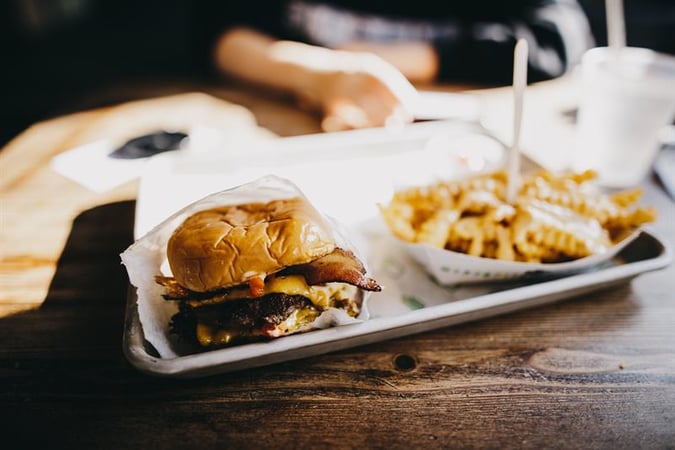
History has a way of repeating itself. Throughout the years there have been many reported national outbreaks and recalls. It’s important for food industry professionals to look back at these instances and use them as learning opportunities to keep their consumers and brand reputation safe. Outbreaks McDonalds E. Coli Outbreak In 1982, E. coli outbreaks occurred in McDonald’s in Oregon and Michigan resulting in 47 reported illnesses across the two states. These outbreaks were not shared with the general public and had significant repercussions for the future of the food industry. Although the CDC and USDA were aware that E. coli could be transmitted through hamburgers, there were no updated guidelines in place to prevent an outbreak. Lesson Temperature is critical to managing during food …
Articles from SmartSense by Digi
Recent Posts
It’s the job of food service professionals to protect not only their establishments but also their customers. Chemical hazards, such as allergens, are a hidden threat. The most common food allergens are tree nuts, soy, fish, peanuts, shellfish, eggs, wheat, and dairy. Here are 4 ways to prevent a food allergy disaster in your establishment. How do you know your products' ingredients? Know Your Products Ingredients Allergens are the sneakiest chemical hazard that can affect consumers. Employees should be informed of all ingredients used and sold within the establishment. If a customer asks about an allergen, employees should be able to provide accurate ingredient information. How do you prevent cross-contamination? Prevent Cross Contamination All ingredients should be segregated and …
Recent scientific advancements have led to a burgeoning variety of pharmaceuticals and vaccines on the world market for the prevention and treatment of disease. Recombinant DNA technology, monoclonal antibody development, and vaccine development have all played a role, and many of the new pharmaceuticals are complex and costly. As a result, more attention is being paid to the storage and stability of drugs and vaccines, many of which must be stored at correct temperatures to maintain potency throughout the cold chain—from manufacturer to wholesaler to point of care. Despite the need to ensure potency of drugs and vaccines, surprisingly little data are available concerning compounds stored incorrectly. In addition, U.S. regulatory bodies do not currently require rigorous temperature …
“What’s for dinner?" It’s the question every busy parent dreads. Increasingly, moms and dads are looking for fast and easy options to feed their families. Supermarkets have heard their call. Today, more than ever, grocery stores are expanding their prepared food sections. Offering a one-stop shop for families where they can get sushi, pizza, tacos, pasta, or salad, all in one place.This makes life easier for families, but as a retailer, it can make food safety more complicated. The Wall Street Journal reports that demand for supermarket prepared meals has nearly doubled in the past decade from $15 million in 2005 to $28 million in 2015. As the volume and variety of prepared food increases, food safety risk grows with it. According to the CDC, outbreaks linked to U.S. supermarkets more …
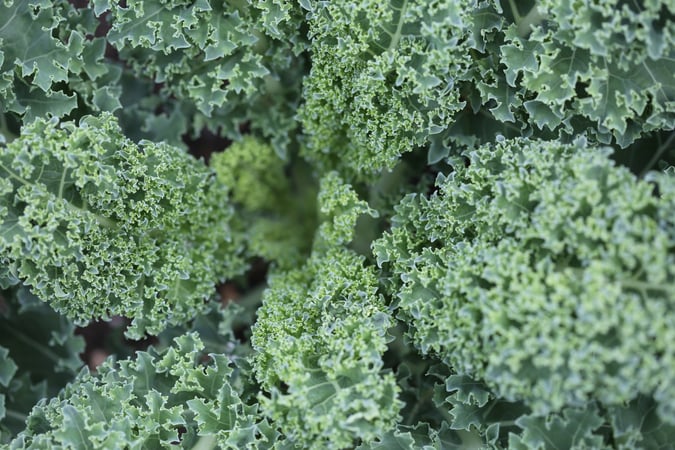
This is a 2016 news post. For the rules that apply now, start with Key Federal Food Safety Laws: A Complete Compliance Guide (Updated 2026). Listeria has been in the headlines a lot this year. In 2016, Listeria outbreaks have affected several major brands and have been linked to at least three deaths. Which Listeria outbreaks defined 2016? Below is a rundown of the biggest Listeria outbreaks of 2016: January The world’s largest producer of fresh vegetables, Dole, was hit with a Listeria outbreak. Packaged salads produced in Dole’s Springfield, OH processing facility were recalled as a result. A total of 19 people were infected, including one death. February Maytag Dairy Farms voluntarily recalled their blue cheese products due to a potential Listeria contamination. They closed their …
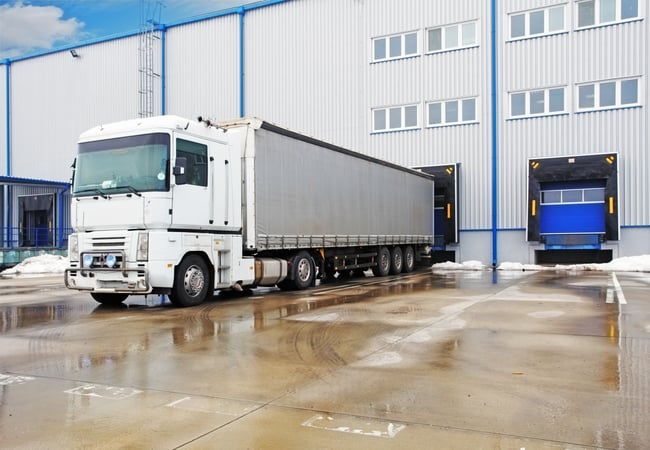
Pharmaceutical sales reps spend much of their time on the road driving from office to office and hospital to hospital. Besides a boatload of swag, they are carrying various drug samples with them. What happens to temperature-sensitive samples in sales totes? What happens when those samples are temperature sensitive and require refrigeration? Hopefully, the medications are in insulated containers with freezer packs to keep them at the proper temperature. But, what if it's a 100°F day in Phoenix, AZ? It depends. How good is the cooler? How large are the freezer packs? Is the tote mostly empty or mostly full? How long has it been since the rep left the office? These totes and this dilemma are all part of the Forgotten Mile. Drug companies spend millions of dollars developing medications to …