
This is a 2016 news post. For current vaccine and medication cold-storage practice, start with Shipping Vaccines without a Cold Chain?. Sometimes regulations are perceived as being ahead of the curve of practice and development, and other times they’re playing catch up. Oregon’s Board of Pharmacy is the leader in updating regulations to reflect current technology and development. What cold-storage monitoring standard did Oregon set? Their new regulation, which you can read here, is effective January 1, 2016 and requires continuous temperature monitoring of cold stored medications, not just vaccines. Here are the three main benefits: Pressure is reduced on staff by eliminating the need for them to manually check temperatures in medication refrigerators and freezers. Sensors within the …
Articles from SmartSense by Digi
Recent Posts

This is a 2016 news post. For the rules that apply now, start with Key Federal Food Safety Laws: A Complete Compliance Guide (Updated 2026). When The New York Times headline reads U.S. Makes Final Array of Rules on Food Safety, readers pay attention. And when Fox News promotes the same topic in its piece FDA issues final rules on produce safety, imported foods, readers expect they won’t be reading about Salmonella outbreaks linked to imported cucumbers such as the multi-state warning issued by the FDA. The issuance of several final FSMA rules in November 2015, combined with almost weekly headlines about food recalls – the most recent being E. coli outbreaks from contaminated celery in businesses ranging from Costco, Safeway, Starbucks, Target and Walmart – has been troubling. This “ping …

For the rules that apply now, start with Key Federal Food Safety Laws: A Complete Compliance Guide (Updated 2026). Food service businesses are expected to improve the safety of food eaten by consumers with the introduction of the Food Safety Modernization Act (FSMA). The U.S. Food and Drug Administration (FDA) have released final rules addressing several food safety issues over the past few months, with a few of the outstanding rules being released in 2016. The question many businesses ask themselves is: “Do they apply to me?” The answer is not a simple yes or no. It depends. FSMA compliance can be a complex process. Each element of the food chain from grower to consumer is expected to comply with requirements to keep food safe through robust environmental monitoring, with a particular …
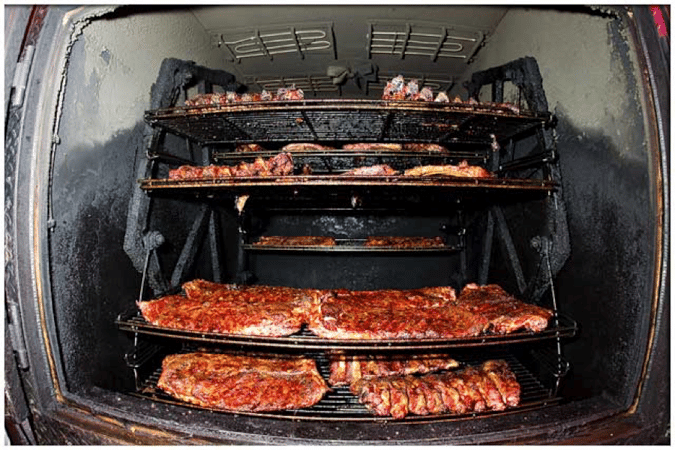
Barbecue smoking is an everyday warm-weather activity and is increasing in popularity at home and in restaurants. In restaurants, it can be a year-round activity. Temperature monitoring is essential no matter what the occasion or how exactly you are preparing to smoke. A great resource is the USDA’s guide for safe temperatures for cooking meat. The complexity of cooking different meats is vast and following temperature regulations for cooking meat in line with the USDA and FDA standards is vital. Safe Temperatures for BBQ Steak & Meats The process of maintaining safe consumable meat starts with the point of purchase. If the meat is frozen, proper thawing practices must be implemented. With proper thawing, the meat is cooked evenly and at the correct temperatures. Putting frozen meat …
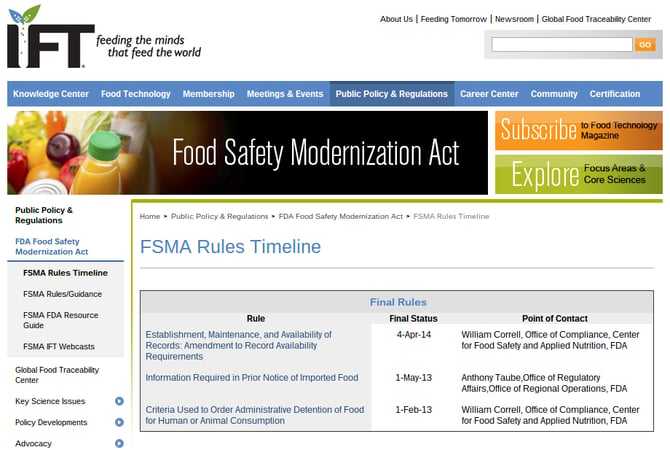
For the rules that apply now, start with Key Federal Food Safety Laws: A Complete Compliance Guide (Updated 2026). What doesn’t kill me makes me stronger is no longer an attitude most can afford. FSMA, the Food Safety Modernization Act is here. Signed into law in 2011, final and proposed rules are in place. The Institute of Food Technologists (IFT) website has a convenient chart describing the timing of proposed and final rules. Many companies have FSMA training completed or scheduled for their staff, especially larger, global suppliers. Despite the headlines and publicity, many small and midsized suppliers may not be prepared to meet the new regulations. (For reference: Link to US FDA FSMA Source) The Food Safety Tech website recently posted a piece by Randy Fields titled Despite …

Three down, one to go: food and beverage coolers ✓ Store food products in a temperature-monitored and optimal for shelf-stable ✓ Store non-refrigerated medications in a temperature-monitored environment optimized for food safety ✓ Pharmacy refrigerator and freezer temperatures monitored and optimized for refrigerated and frozen medications ✗ Pharmacy food refrigerators and freezer temperatures monitored and optimized for refrigerated and frozen food products So far we’ve looked at store temperature as a good indicator of shelf-stable food and medication storage conditions that maintain food and medication quality and safety. We’ve also looked at refrigerated and frozen pharmaceutical storage temperatures as a good indicator of the safety and efficacy of these medications. And we’ve looked …