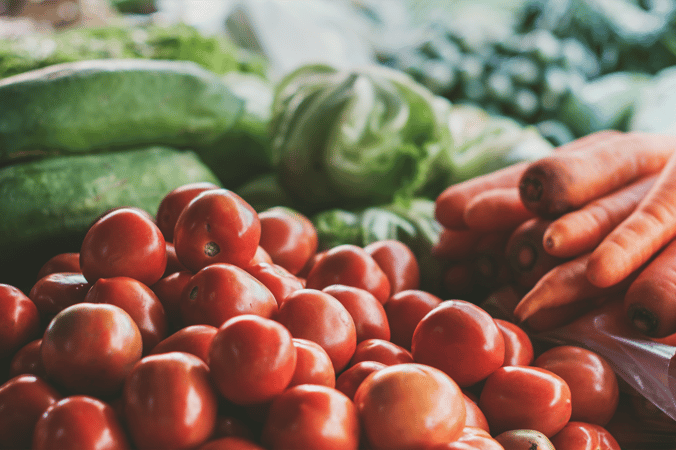
Restaurants are fast paced and hectic on a normal day, but add a power outage into the mix and it can cause a lot of problems. It can be a challenge to keep up with the practices of food safety while in the middle of a power outage due to the amount of equipment that relies on electricity. A good way to focus on keeping up with the food safety protocols is to focus on the one main goal: making sure the frozen and refrigerated food stays below 41 degrees. This means not putting any partially cooked food into the refrigerators during the outage. What should a restaurant do during a power outage? That being said, it’s not allowed to process or handle any food during a power outage. To do this, you'll need to contact the local health department about an alternative power source and be able to …
Articles from SmartSense by Digi
Recent Posts
Refrigerated medications need special care; guidelines and regulations help with direction In the previous piece we looked at room temperature storage of pharmaceuticals. Many of us are familiar with the requirements of the prescriptions we have filled and take home. Similar information can be found on pharmacy websites. For example, the CVS website FAQs provides the following information for Lisinopril a common high blood pressure medication: Link to Source Where should I keep my medicine? Keep out of the reach of children. Store at room temperature between 15°C and 30°C (59°F and 86°F). Protect from moisture. Keep container tightly closed. Throw away any unused medicine after the expiration date. Most households maintain these conditions, therefore drug effectiveness and safety are …
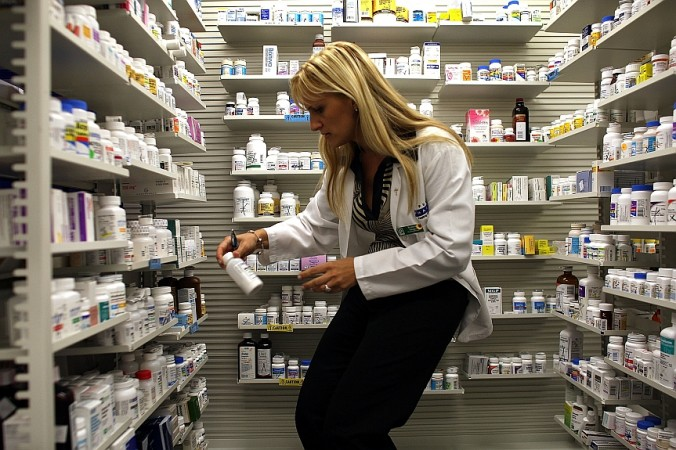
How do I know those pills I just bought that were sitting on the shelf are still good? In this series about pharmaceutical temperature monitoring, we will discuss the best storage practices for pharmacies. In general, shelf-stable food products, including canned, bottled, and packaged goods, are designed to be stored below 85°F (30°C), ideally 70°F (21°C). But what about pharmaceuticals stored at ambient store temperatures, those bottles of pills, capsules, and tablets sitting there on the shelf? When pharmaceutical companies develop medications, they examine many factors such as effective dose, side effects, how it needs to be administered (orally, injection, transdermal, etc.), effects of overdose, safety, and efficacy. A significant amount of time is spent understanding the effects of …
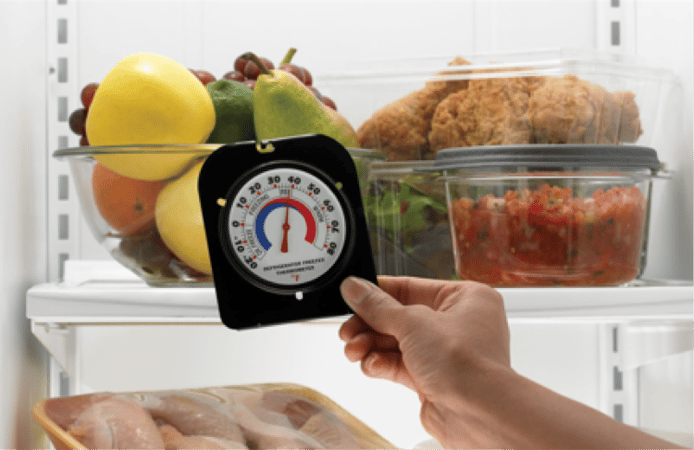
When dealing with power outages within food service or school cafeterias, it can be stressful figuring out how to prevent foodborne illness. Sometimes during a power outage, it’s hard to know whether food is safe or if it needs to be thrown away. There are different solutions depending on refrigerated assets, storage, and safety protocols. Food Safety During Cafeteria Power Outages The first step in dealing with food service power outages is to take note of when the outage happens because timing is everything when it comes to food safety. Secondly, cease all cooking that is happening. It’s good to note that if a power outage is two hours or less, it is not considered hazardous to food being handled under safe conditions. After two hours, any food that is being prepared, whether it is meat …

For the rules that apply now, start with Key Federal Food Safety Laws: A Complete Compliance Guide (Updated 2026). The 7 principles of HACCP are a series of guidelines that follow the rules and regulations set forth by the U.S. FDA. These are typically associated with the implementation of HACCP programs. The main priority of these guides in food service organization is the safety and protocol to keep food, employees, and customers safe in retail and food service. Each of the 7 principles is laid out for easy understanding. While performing a hazard analysis, defining critical control points, defining critical limits, establishing monitoring procedures, following corrective action procedures, having verification procedures, and having a record keeping system, a safe food service …

Commercial refrigerator maintenance begins with understanding your unit The previous piece in this series looked at home refrigerator temperature maintenance, something many if not all readers are familiar with and in fact may have done themselves. Now they own or are responsible for monitoring the temperature of commercial refrigerators in their restaurants, cafés, sandwich shops, food trucks, or bistros. That unit comes with the blessings of cold air and fresh food and the curse of cleaning and maintenance. The message from the first piece in this series is that cleaning and preventive maintenance are needed and the consequences of not doing preventive maintenance can be demonstrated as seen in the first piece in this series. The cleaning and maintenance of commercial fridges can be …