
Keeping vaccines refrigerated when they’re delivered to the most remote parts of the world is a critical challenge that many experts have been trying to solve for decades. Dr. Harvey Rubin is one of the experts who have crafted new alternatives to address the issue. Energize the Chain Dr. Rubin is the Director of the Institute of Strategic Thread Analysis and Response at the University of Pennsylvania. Motivated by the millions of children who die from vaccine-preventable diseases every year, he and his colleagues developed an idea that materialized into a non-profit. Energize the chain has revolutionized cold chain logistics in Zimbabwe (http://www.energizethechain.org/our-team/). On September 27, 2014, Dr. Rubin was a speaker at an independently organized TED event (watch here: …
Articles from SmartSense by Digi
Recent Posts

What innovations have been developed to support cold chain logistics without relying on electrical access? After reviewing some of the consequences caused by inadequate handling and fluctuations in vaccines’ temperature in the previous article, we will now explore the new practices and innovations that have been developed to overcome different challenges, related to the transportation, monitoring, and storing of heat sensitive vaccines where the access to electricity is limited. Part I of this article will focus on solar-direct refrigeration technology and passive-cooled cold boxes; Part II will review the Energize the Chain project and new monitoring technologies. In some regions of the developing world, having access to refrigeration equipment and electricity can be seen as a luxury. …
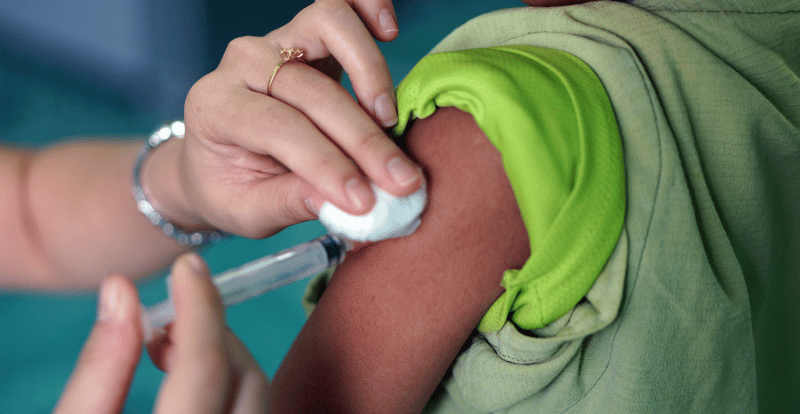
Millions of children die every year of preventable diseases because of the inefficient or inexistent refrigeration needed to get them vaccines that already exists. If after reading the first piece of this series you still find yourself wondering about the relevance this issue might have, think about this: Imagine a scenario where there’s an outbreak of a virus (like the Ebola virus disease) for which there’s no cure or vaccine yet. With the current outbreak of the Ebola virus, the more severely affected regions are developing countries in West Africa. According to the WHO, “The most severely affected countries, Guinea, Sierra Leone and Liberia have very weak health systems, lacking human and infrastructural resources, having only emerged from long periods of conflict and instability”. …

How Does the Cold Chain Affect the Potency of Vaccines? The importance of the cold chain in developing countries facing limitations for the storage, transportation, and monitoring of vaccines caused by limited or unreliable access to electricity. Some of the most important vaccines in the world are heat-sensitive, thus requiring custom transportation and storage to ensure their effectiveness. The process of transporting these products has been described as the cold chain, which involves sophisticated technologies such as refrigeration systems that prevent vaccines from losing their integrity. In this series we will explore the challenges that are faced by regions in developing countries where the access to electricity isn’t steady or reliable, and how they’ve managed to overcome their …

For the rules that apply now, start with Key Federal Food Safety Laws: A Complete Compliance Guide (Updated 2026). Not all refrigerated trucks are created equal Every day we see hundreds of trucks on our roads and highways. Many of these are refrigerated trucks transporting foods for human consumption. If the refrigeration were to fail, it would jeopardize not only the quality but potentially the safety of the products. Fortunately our truck transportation system is generally reliable, but occasionally problems occur. Besides the obvious truck breakdowns, traffic tie-ups, and the occasional unfortunate accident, there are other ways food can be put in jeopardy. Trucks that have been on the road for a while may have cooling units that fail or do not function well, allowing all or part of …
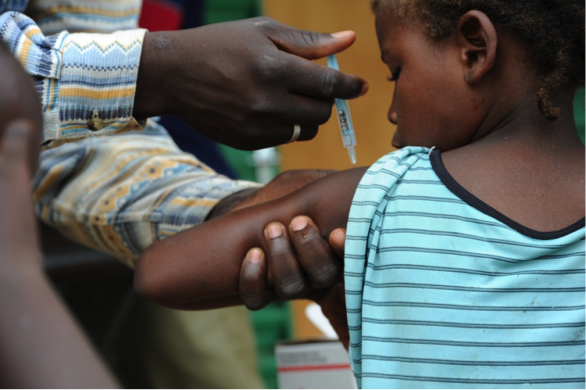
Today we’ll illustrate how vaccines are kept and highlight the most important aspects of long-term vaccine storage. We’ll be examining these all-important regulations in the advent of the recent Ebola outbreak spreading through Nigeria, Guinea, and other West African countries. Because of similar symptoms, more individuals are susceptible to illnesses like malaria than ever, and death tolls continue to rise. Luckily, promising new vaccine trials could stem the influx of victims in these disease-ravaged countries. Once vaccines have been created, and then carefully packaged; they’ll be shipped to countries such as Sierra Leone, which is known for having the world’s highest rate of child and maternal mortality rates –often from preventable diseases. This stock of vaccines need to be kept at …