
For the rules that apply now, start with Key Federal Food Safety Laws: A Complete Compliance Guide (Updated 2026). Food hazards and Critical Control Points are identified, but how much control is needed? I’m not sure if it’s urban legend or not, but I have been told that manufacturers of modern cars equipped with computers have the ability to limit the top speed of their products. A friend’s son stationed in Germany had a Camaro sent over and was looking for a computer chip that could override the top speed limit for his Autobahn stints, not sure if he was successful but he’s still alive so maybe not. For most of us car top speed limiters are not a concern as driving much more than 70 mph or 75 mph in today’s crowded and well policed US highways is rare. Just this weekend a driver on the …
Articles from SmartSense by Digi
Recent Posts
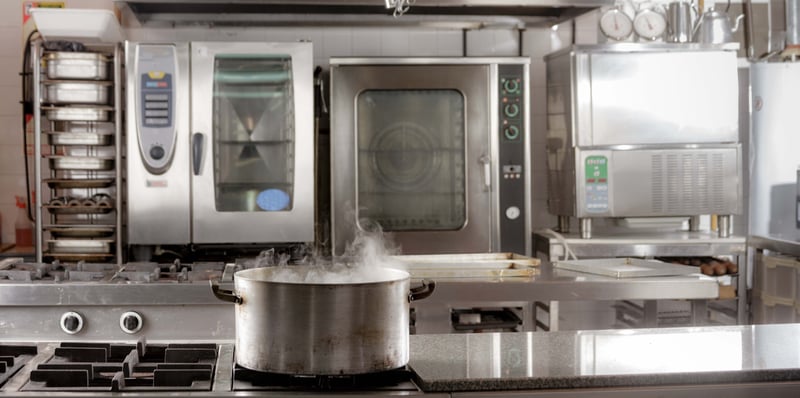
For the rules that apply now, start with Key Federal Food Safety Laws: A Complete Compliance Guide (Updated 2026). How do you determine the critical control points? Easy to imagine, may be more difficult to do HACCP, Hazard Analysis and Critical Control Points, begins with a Hazard Analysis. Now that the actual and potential hazards are identified, hopefully as an “honest broker” with “fresh eyes” as was discussed in the previous piece, it’s time to look at the Critical Control Points, CCPs. As was noted about conducting a Hazard Analysis, Determining the Critical Control Points (CCPs) is easy to imagine, but may be more difficult to do. Assuming the hazards are well identified, one can imagine there may already be controls in place. For example, if a large industrial or commercial …

For the rules that apply now, start with Key Federal Food Safety Laws: A Complete Compliance Guide (Updated 2026). How do you conduct a hazard analysis? The first HACCP implementation principle requires a “fresh pair of eyes” HACCP, Hazard Analysis and Critical Control Points, begins with a Hazard Analysis. Earlier we looked at the concepts behind the word Hazard and the word Analysis as applied to HACCP. In principle seeing hazards should be easy. In practice this is rarely the case. MBWA, the acronym for Management By Walking Around is a good start for HACCP Hazard Analysis. The thing to remember is that working in the same environment every day we can become accustomed to people, practices, and procedures in our workplace. It’s easy to overlook the employee that looks a little ill, the …

Over the past four weeks we’ve taken a look at the commercial components and critical challenges that the shipping industry faces, specifically the movement of containers in and out of ports around the world. While some companies, freight forwarders and consignees, have tried to implement their own incomplete electronic monitoring systems, many continue to run a manually operated, 20th century shipping operation, relying on designated checkpoints, human observation, and above all, trust of other parties. Regardless of the method, continuing to safeguard billions of dollars worth of assets with so many opportunities for lapses and mistakes is unnecessary and avoidable, but most firms have no idea about the autonomous, cloud-based monitoring solutions currently available to them. …
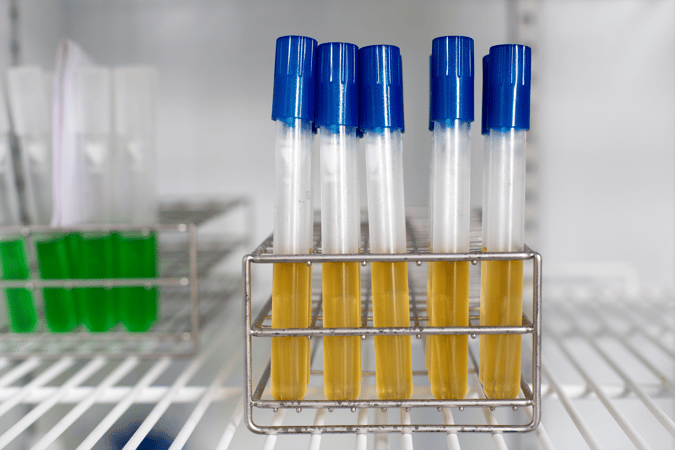
The Wireless Temperature Monitoring (WTM) devices have arrived, now what do I do? Okay, the long search for the optimal WTM system has been completed. The wireless technology works in all locations to be monitored. AC and/or battery powered devices are specified and arrive. Now what does one do? In this ongoing series about NYC Hospital Queens’ experience in selecting and installing a WTM system to monitor temperature-sensitive medications (e.g. vaccines) and blood in hospital refrigerators (Link to Article) some consideration as to the placement of temperature sensors in the hospital’s medical refrigerators is given. Sure, the sensor will go into the refrigerator to monitor the storage temperature of prescriptions, vaccines, blood, or similar temperature-sensitive products. Once …
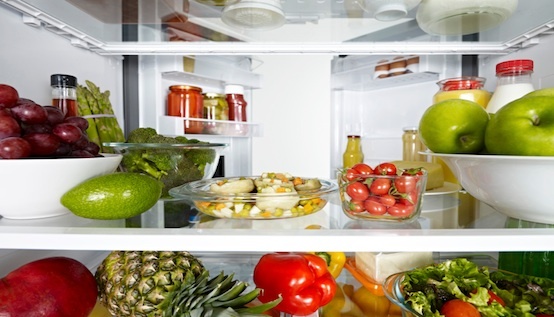
Some categories of food are more likely to have microbial reproduction due to intrinsic and extrinsic factors. According to the FDA Food Code, potentially hazardous food refers to natural or synthetic foods that require temperature control because they tend to have the following. 1) rapid and progressive growth of infectious or toxigenix microorganisms 2) growth and toxin production of Clostridium botulinum 3) growth of Salmonella Enteritidis (in shell eggs) Foods that fall into this description include meat, poultry, seafood, eggs, cooked rice, raw seed sprouts, cut melons, garlic and oil mixtures, etc. Due to their varied natures and components, different kinds of food need to be kept in specific environments. The FDA demands constant temperature monitoring to ensure that foods are …