
For the rules that apply now, start with Key Federal Food Safety Laws: A Complete Compliance Guide (Updated 2026). In a previous post, we discussed the importance of each stage of the supply chain doing its part in minimizing food safety risk. The federal government created the Food Safety Modernization Act in 2010 as a culmination of past food safety laws, taking a more proactive approach. Ten years after its passage, FSMA continues to revolutionize the food industry. For detailed year-by-year updates to the law, you can visit the FDA website, "What's New in FSMA." As a quick summary of some of the regulatory highlights, over the next few years we can expect the FDA will: Pay more attention to restaurant and food retail establishments because of the impact of COVID-19 on their operations …
Connected Insights Blog

As the U.S. enters the second year of the COVID-19 pandemic, the great news is that vaccination programs are now in Phase 2 in most states across the country. Pharmacies, supersites, clinics, hospitals, and community centers are all working overtime to inoculate the population at large and return our lives back to a sense of normalcy. From a business perspective, here at SmartSense, we approached the pandemic as a means to provide greater service to the customers and communities we serve. SmartSense is playing an important role in this nationwide vaccination initiative by supporting the distribution and storage of vaccines. Of all best practices for handling COVID-19 products approved for administration by the CDC, perhaps none is more crucial than temperature monitoring. That’s because …

Please visit the CDC website for information on when you will be eligible to receive the COVID-19 vaccine. As the third wave of the COVID-19 pandemic sweeps over the country from coast to coast, the recent news from Pfizer and Moderna of a successful vaccine candidate is the good news we’ve all been waiting to hear. When the pharmaceutical companies get final FDA approval, they will face two enormous challenges: one, making millions of doses available for timely administration; and two, keeping those doses cold and potent during transportation, storage, and handling. Like all vaccines, new COVID-19 vaccines will be temperature and time sensitive. They will require massive adjustments to cold chain and storage cooler capacity. Why? Because the current inventory of all existing vaccines …

COVID-19 has been devastating, and it appears to be far from over. As a pandemic, it’s likely one of the most adverse events of our lifetime. Around the globe, from Italy to Spain, France, major cities in the United States, and multiple Asian regions of the Pacific Rim, communities have been shut down hard. A hard shut down means managers of operations, formerly performed by human beings, are now searching for alternate means to complete them, as best they can, in a shutdown state. This is a major call for automation and technology to use our digital fabric to expedite operations to the greatest extent possible. For example, last month in the Philippines, the government ordered a lockdown of its capital city to mitigate the effect of the coronavirus. This meant that the nation's call …
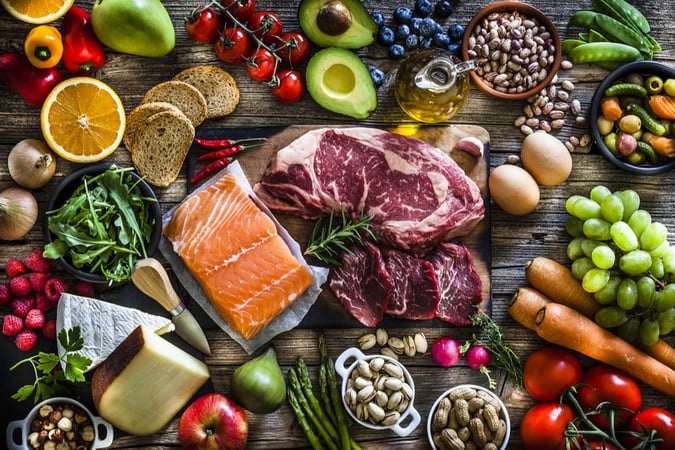
The traditional definition of “perishable foods” has been revised over the years to reflect scientific and technological developments. “Perishable foods” broadly emphasizes the idea that food such as raw meat or produce eventually spoils, but without any connotation regarding safety. Once the number and severity of food recalls due to foodborne illness became more common as a public health issue, perishable foods were redefined as “potentially hazardous foods” (PHF) to acknowledge the new concerns. Most recently “PHF” has undergone yet another transformation. Increasingly, the new term used is “TCS,” or foods requiring time and temperature control for safety. This change emphasizes not merely the potential existence of unsafe pathogens, but the two primary ways to control contamination in …

A challenge that has faced the immunizations market has been not only the availability of vaccines but transporting them to middle and lower-income nations. The cold chain to support transportation and storage has not been developed enough. However, this situation could be changing as scientists and researchers around the world are developing vaccinations that can be transported in the absence of cold chain infrastructure. When a vaccine is able to reach the right people, in the right regions, it can make a huge difference and positively impact the health of that nation and region. One only has to look at the polio vaccine and what it did to help eradicate the disease some 60 years ago. Through immunization programs, the disease poliomyelitis was largely eliminated and controlled. Before …