
In the realm of workplace safety, one practice poses a significant threat to the integrity of safety protocols and the well-being of employees: pencil whipping. Pencil whipping refers to the act of quickly filling out forms, checklists, or compliance reports without actually performing the inspections or procedures that the documents require. While it may seem like a harmless shortcut, the consequences of pencil whipping can be severe and far-reaching. The Risks of Pencil Whipping Pencil whipping undermines the very purpose of safety protocols and inspections, which is to ensure a safe and healthy working environment. When safety checks are not performed thoroughly, hazards can go unnoticed and unaddressed, leading to potentially dangerous conditions. This often results in accidents, …
Connected Insights Blog

The coronavirus pandemic has accelerated the digital transformation of the food service industry faster than anyone had ever predicted. Adoption of IoT technologies, such as remote sensors, analytical software, and omnichannel delivery platforms have been immensely helpful to alleviate the ongoing customer behavior changes, labor shortages, and supply chain issues. That’s all great news. But there’s still more we can do. Why? The pandemic is still with us, for the long term, as are the same problems and obstacles. During year one of the coronavirus pandemic, Covid-19 disrupted the restaurant industry to an extent not seen since WWII. During year two, just as vaccines were administered, restrictions on indoor dining eased, and customers started returning to their favorite dining rooms, new …
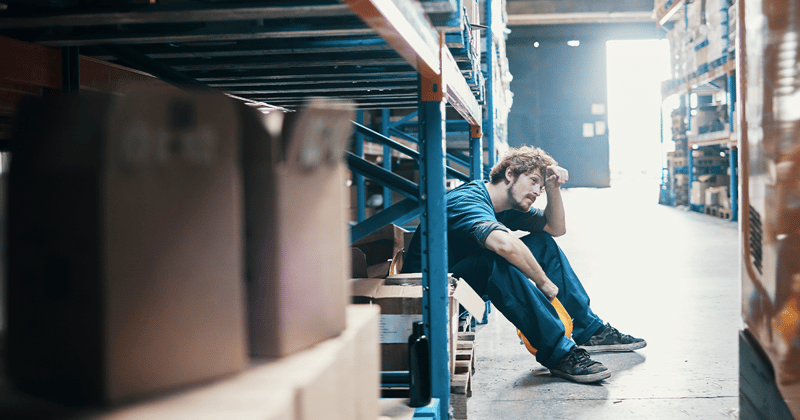
While the nation transitions into months of cooler weather we only need to look back to the previous summer to acknowledge that our world continues to get much warmer with July 2021 being the hottest month ever recorded. On-the-job illness related to the lack of facility heat index monitoring is now as threatening as the COVID-19 pandemic to the health and safety of food service workers. Employee Heat Stress Data The statistics are alarming: From 2001 to 2018, hotter daily temperatures in California resulted in 20,000 workplace injuries, both indoors and out. 43 workers died from heat stress illness in 2019 and 2,410 others suffered serious injuries. In 2021, Oregon endured historically high triple-digit temperatures for more than a week, forcing the governor to issue a 180-day emergency …
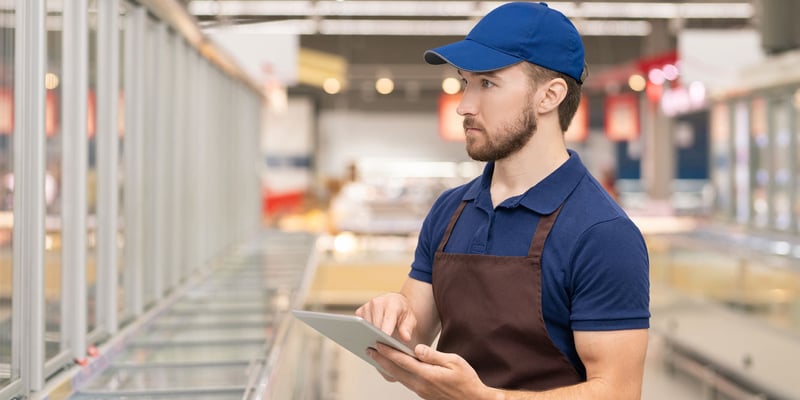
The COVID-19 crisis has radically altered the largest global retail category, food and beverage, and the post-pandemic market may very well prove to be the historic tipping point in the digital transformation of the grocery sector. As discussed in the first post of this series, the pandemic has profoundly disrupted the grocery supply chain. Bottlenecks and gaps in service forced both grocers and consumers to rapidly and dramatically change how they interact. The most significant change has been the shifting demand from traditional, brick-and-mortar stores to digital, e-commerce channels. This acceleration of e-commerce has created new challenges for food safety and sustainability. Complicating matters, the labor shortage puts manual temperature monitoring procedures at greater risk. Has …
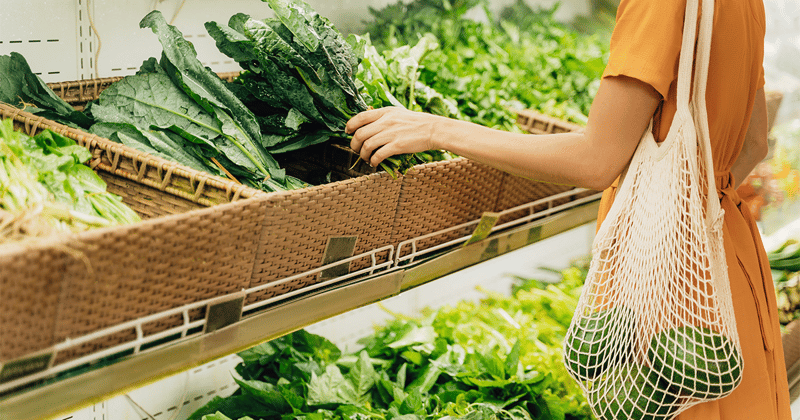
This post is the second in our series about how grocers are dealing with the legacy of COVID-19 in a post-pandemic market. In this post, we look at the issue of sustainability, and how consumers and business remain committed to their goals. In our first post, we talked about the USDA's Build Back Better initiative to fix the supply chain broken by COVID-19. One of the objectives of that program is a plan to address climate change. While global warming may at first appear incidental to the coronavirus pandemic, the Biden administration recognized that it is linked to the pandemic and overall is potentially more damaging to the supply chain in the long term. Consumers tend to agree. According to Deloitte, "making environmentally friendly choices is likely to prevail even when shopping …
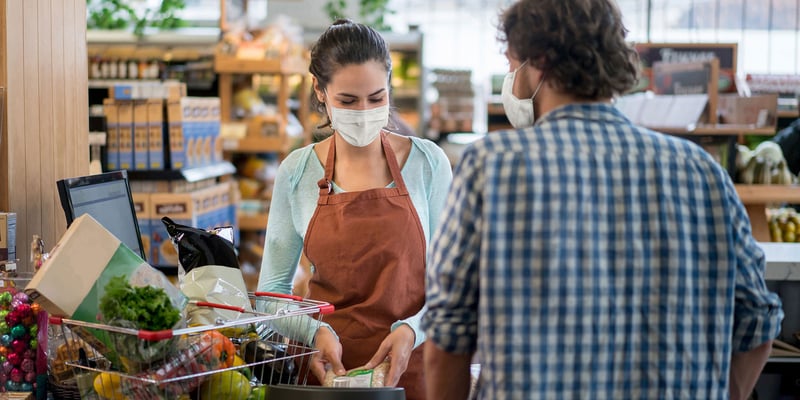
This post is the first in a series of three that look at how the grocery sector is dealing with the legacy of COVID-19 in a post-pandemic market. In this first post, we focus on the broken supply chain and see how the public sector is trying to fix it, in large part by recommending digital technologies. In the second post, we survey how grocers are committed to sustainability goals despite the ongoing challenges of the pandemic, especially in light of climate change. And in the third post, we’ll demonstrate that the time has never been better to accelerate the digital transformation of every aspect of the grocery sector, for customers, in-store employees, and supply chain partners. Since the onset of the coronavirus pandemic in 2020, grocery stores have been obliged to remain open as …