In 1850, President Zachary Taylor consumed contaminated fruit and milk at a fundraising event, which ultimately led to his death. This event, as well as many other food illness events, encouraged President Abraham Lincoln to sign into law an act of Congress, establishing the United States Department of Agriculture in 1862.
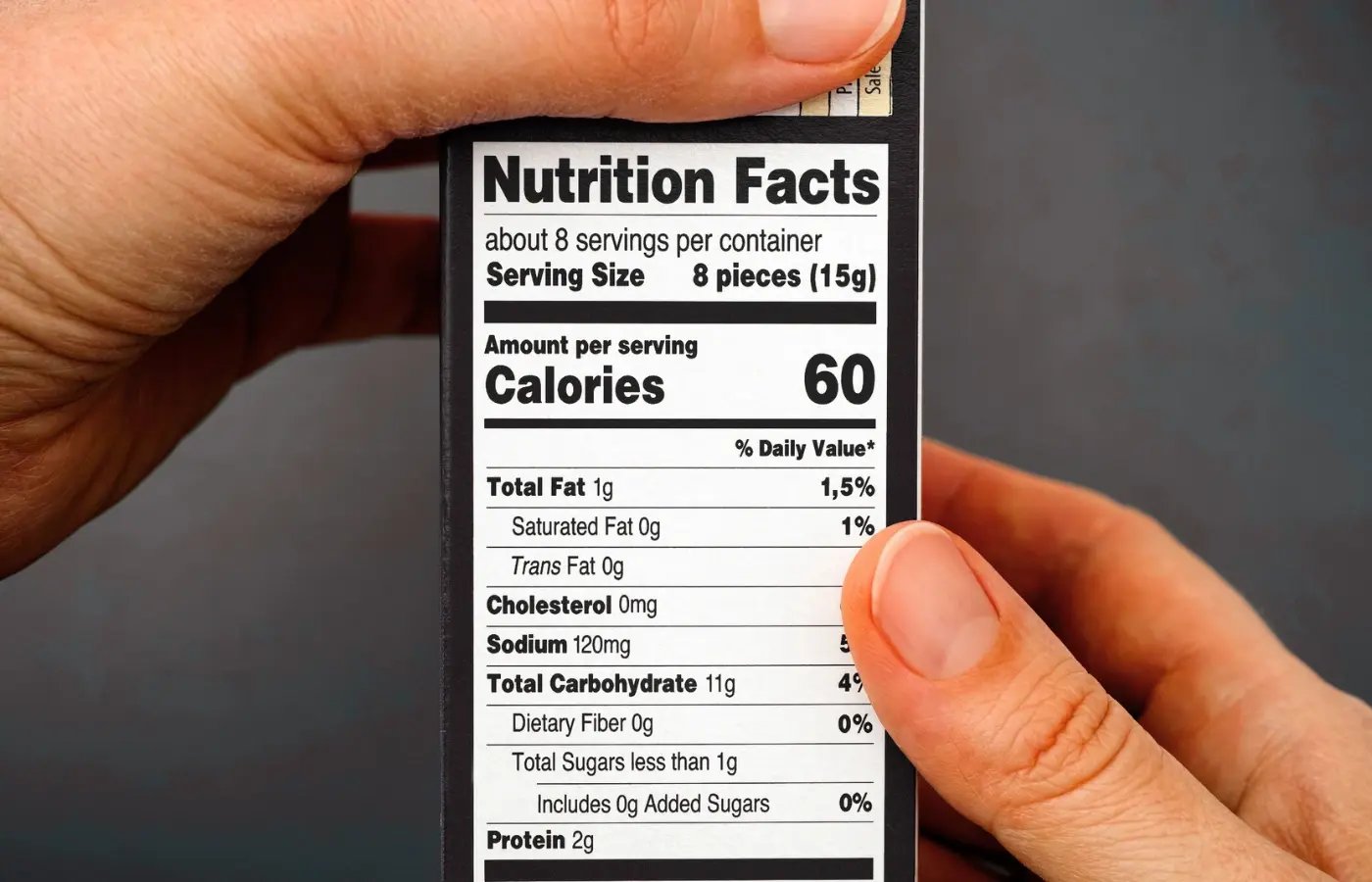
A century later, the USDA began to enforce nutrition labeling on all foods, due to the rise in demand for prepared food, and consumer shift away from eating meals at home. Part of this enforcement included the mandate of expiration labels (otherwise known as day dot labels) on all food items in a food & beverage establishment. This label states when a restaurant must use food by, or toss it by, before it becomes a danger to serve to consumers. The ultimate goal is enhancing food safety.
Just as food labeling requirements have evolved, the way restaurants label food has evolved.
What food labels include:
All food labels, whether they are digitally printed or hand- written, will contain information such as:
- The product: What it is or what’s inside the container. In the event that you don’t recognize the food or product, you can refer back to the label.
- The date and/or time it was prepped: If an item goes bad before the date, there is a way to see if it was possibly labeled wrong or not prepped in time to keep it within safety standards.
- The date and/or time it expires: It’s extremely important to have a shelf life on food when serving to consumers. This notifies employees when an item is no longer safe to cook or serve
,and needs to be thrown away. - Which employee prepped it: If there are ever any questions on when the item was prepared, it is beneficial to have a resource to refer back to.
How food labels evolved:
Just like most things in our culture, the food & beverage industry started with hand-writing everything. The industry revolutionized in the 90’s and early 2000’s as technology became more prevalent. During this time, labeling with day dots became popular, which eventually translated to using day dot labeling guns. Labeling guns are still very popular today, but the downside is that employees are still using a lot of time manually filling out the necessary information for the label. Time = labor. Labor = money.
Food labeling with SmartSense:
To help the industry save time, we offer a digital solution for labeling, that eliminates manual labeling processes. This is part of our Digital Food Safety platform. The biggest benefits the industry has seen with this change, is an increase in accuracy and decrease in labor costs. Our Print Station (built with Zebra printers) prints, on average, six labels per second, including everything from who prepared the food to the expiration date. Imagine creating six labels a second, without manual effort!
Ultimately, our goal was to help decrease labor costs with the invention of the Print Station. However, in the long run, we’ve also ended up helping restaurants eliminate the discrepancy of employees changing dates on day dots without authorization. In turn, we’ve helped restaurants decrease the possibility of food-borne illness by easily implementing a “first in, first out” policy. We’ve created a way to track who made the food, what day and time it was made, and when it should be cooked or sold. The results of modern- day labeling solutions have surpassed the original goal behind food labeling!
Related reading
For more on restaurant food labeling, read The Importance of an Accurate Food Labeling System for Consumer Health, How to make labeling the easiest part of your day, and Success Story: SmartSense Labeling “A Game Changer” for Culver’s Digital Food Safety.