
If your business objective is to implement an efficient and successful condition monitoring program, gone are the days of “set it and forget it.” Today’s savvy enterprise leaders have identified the problems they want to solve. They want to be proactive. They want to drive efficiencies. Most of all, they want to protect the safety and health of their customers and patients. That’s why integrated, IoT-enabled Sensing-as-a-Service solutions are your best choice for customer success — especially in industries such as healthcare, pharmaceuticals, pharmacy, food service, warehouse, and supply chain management. A combination of hardware, software, and ongoing consultative guidance enables clients to automate processes and make more informed business decisions. In addition, the synergy of data, …
Posts about Asset Health
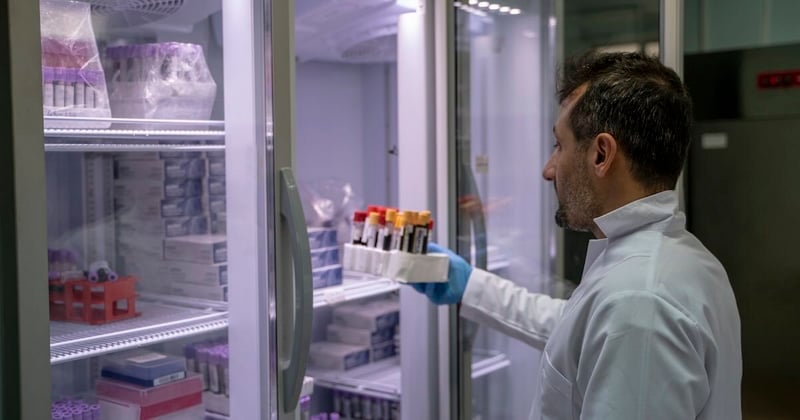
Improving the asset health of medical refrigeration depends on real-time condition monitoring, preventive maintenance, and energy conservation that keep cooling equipment reliable across the healthcare cold chain. These practices help hospitals, clinics, pharmacies, and pharmaceutical companies catch mechanical failures and environmental excursions before they threaten the safety and potency of vaccines, medications, and lab samples. Table of Contents: What is asset health management? How to ensure the safety and potency of medical products Pros of digitalizing and automating medical refrigeration asset health Features of proactive protocols and preventive maintenance How to audit and optimize efficient energy consumption What are the benefits of sustainability initiatives? Reducing …

Leaders in the food and healthcare industries increasingly believe that the cost of sustainability efforts saves their enterprises money over the long term while also saving the planet. Consumers, too, are willing to pay for the rising costs of goods if they are sustainably sourced, manufactured, and transported. Even so, until recently many CEOs have hesitated to invest in sustainability efforts because they lacked visibility into their company’s operations. Unsure of how to accurately measure the impact of sustainability goals using obscure or unprocessed data, business executives needed more confidence in their decision-making to implement change. Now, fortunately, with the development of modern IoT-enabled Sensing-as-a-Service solutions, clarity and conviction about sustainability …

The rise of Sensing-as-a-Service solutions has revolutionized the intersection of technology and business ecosystems. By leveraging IoT-enabled smart devices and sensors, leading businesses —from grocers and food service retailers to pharmacies and healthcare organizations — can now convert telemetry data into actionable insights faster than ever before, thereby driving higher levels of operational efficiency based on data-driven decisions. Unsurprisingly, by 2028, the value of the global IoT market is expected to reach $1.8 billion. Regrettably, this upsurge has also led to a greater risk of IoT cyber-attacks and data breaches. Gartner forecasts that 20% of organizations leveraging IoT have detected a security incident over the past three years. Furthermore, IBM’s annual Cost of a Data …

Forward-thinking technology companies are evolving from a customer support and service model to a customer success model. In today’s fickle market economy, offering a seamless and personalized customer experience (CX) is critical for building revenue and thriving financially in these times of intense industry competition. By adopting IoT-enabled connectivity that evolves with the rapidly changing digital ecosystem, enterprise leaders can integrate a proactive CX framework with Sensing-as-a-Service data collection that continuously improves all operations delivering on CSAT. Gartner research recently discovered that high-quality CX and positive customer satisfaction (CSAT) drive more than two-thirds of brand loyalty levels and are more influential than brand reputation and price combined. …

Facilities management, the integration of people, space, and process, has enabled businesses to substantially improve their operations. Enterprise software and connected technology has provided a means for better management of equipment maintenance scheduling. Facilities management platforms have penetrated the market in recent years, and with it, more opportunity to reduce equipment downtime and improve operations at large. As with any technological progress, an important question to ask is: what's next? In this post we’ll explore the benefits of a facilities management platform and how to take it one step further to realize greater ROI and automate previously manual tasks. What is a Facilities Management Platform? Facilities managers have a wide variety of responsibilities, ranging from …