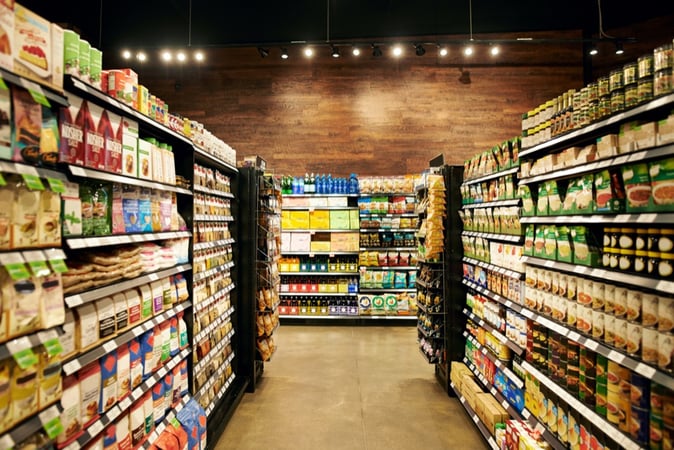
Fighting food waste can present a major market opportunity for the grocery sector, not to mention crucial benefits for all sectors of society. One way grocers can take advantage of this opportunity is to partner with organizations and startups that can help them use innovative strategies and technologies to recycle and up-cycle unsold inventory. In this post, we take a look at some of the most promising partners eager to get you started. There’s No Excuse NOT to Donate Food While supermarkets dispose of millions of tons of food each year, in 2017 the USDA estimated that 15 million American households had difficulty providing meals for all their members. In most cases, supermarket food waste is edible, tasty and nutritious. So why don’t more supermarkets donate to food banks? Especially …
Posts about Food Safety (10)

COVID-19 is serious. Given the prevailing posture of caution in many industries, it's important to spotlight more focus on the food service industry and any industry where food handling is conducted. It is a communicable disease. It is very contagious and can spread easily from person to person. Have a plan to institute with your workers and provide guidelines to follow. It's equally important to have unified procedures as there are many. By putting forth a comprehensive plan, it will sync all workers onto common practices and may further be used as policy. Dennis Keith is the founder and owner of Food Safety Nation and Respro Food Safety. "Maintaining a healthy workforce is the most important priority for every food service operation," says Keith. "If you don’t have a healthy staff, then …
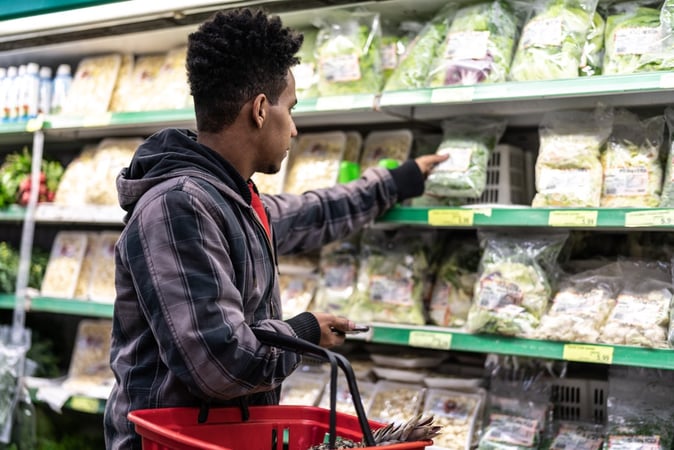
In our previous post about key food safety laws, we surveyed the history of legislation that has resulted in the need for food producers, distributors, and retailers to comply with detailed regulations to ensure food integrity and public health. In this follow up post, we review the importance of compliance to these laws for the health of your business, and how a Food Safety Management System (FSMS) can best ensure that your operations, employees, and suppliers use the right Good Manufacturing Practices (GMP) to meet both FDA and USDA compliance requirements. Federal Enforcement of Food Safety Standards The passage of the Food Safety Modernization Act (FSMA) significantly increased the Federal Drug Administration’s legal mandate to regulate food safety by shifting from reactive to …

Foodborne illness outbreaks are a publicity nightmare, plain and simple. In the era of social media, consumers are using Facebook, Twitter, Yelp, and other forums to voice their every complaint. You can pretty much bet that the news of a single case of food poisoning will spread to hundreds or thousands of people in a mere matter of minutes. Making the headlines can damage a successful restaurant’s reputation and negatively impact customer loyalty – even if posted reports are false rumors. In a 2016 survey of 500 consumers: 62.5% claimed awareness of a food safety incident at a restaurant in the last six months. 37.5% would avoid eating at an entire chain for more than six months if an outbreak is linked to multiple locations. 31.7% of the respondents said they’d never eat at that chain …

Every organization involved with the food supply chain shares responsibility for the safety of food. Essential components of the chain include growing, processing, packaging, labeling, distributing, storing, preparing, selling, and serving food. At each of these stages of the industrial food system, food products may be exposed to various levels of risk. The federal government oversees this system by establishing standards, legislating regulations, and enforcing their compliance. In this post, we survey the key food safety laws of the last 100 years that have culminated in the Food Safety Modernization Act of 2010, taking special notice of their historical importance and basically reactionary approach based on responding to – rather than preventing – food safety disasters. How Are Food …

How do we improve traceability in food value chains? A recent report by the World Economic Forum in collaboration with McKinsey & Company outlines in great detail new strategies that stakeholders can take advantage of. They explore ways within complex and extended supply chains that those responsible for marketing perishable goods can take to improve the traceability of food shipments within their value chains as they're shipped around the world. The Vast Global Food Chain The report begins with an overview of the vast food value chain that now exists: "The food and agriculture sector is the single largest employer in the world, despite a majority of its workers living in poverty," the report states. "Nearly one-third of global food production is wasted, yet up to 800 million people …