
This post is the second in our series about how grocers are dealing with the legacy of COVID-19 in a post-pandemic market. In this post, we look at the issue of sustainability, and how consumers and business remain committed to their goals. In our first post, we talked about the USDA's Build Back Better initiative to fix the supply chain broken by COVID-19. One of the objectives of that program is a plan to address climate change. While global warming may at first appear incidental to the coronavirus pandemic, the Biden administration recognized that it is linked to the pandemic and overall is potentially more damaging to the supply chain in the long term. Consumers tend to agree. According to Deloitte, "making environmentally friendly choices is likely to prevail even when shopping …
Posts about Food Safety (9)

This post is the first in a series of three that look at how the grocery sector is dealing with the legacy of COVID-19 in a post-pandemic market. In this first post, we focus on the broken supply chain and see how the public sector is trying to fix it, in large part by recommending digital technologies. In the second post, we survey how grocers are committed to sustainability goals despite the ongoing challenges of the pandemic, especially in light of climate change. And in the third post, we’ll demonstrate that the time has never been better to accelerate the digital transformation of every aspect of the grocery sector, for customers, in-store employees, and supply chain partners. Since the onset of the coronavirus pandemic in 2020, grocery stores have been obliged to remain open as …

For the rules that apply now, start with Key Federal Food Safety Laws: A Complete Compliance Guide (Updated 2026). In a previous post, we discussed the importance of each stage of the supply chain doing its part in minimizing food safety risk. The federal government created the Food Safety Modernization Act in 2010 as a culmination of past food safety laws, taking a more proactive approach. Ten years after its passage, FSMA continues to revolutionize the food industry. For detailed year-by-year updates to the law, you can visit the FDA website, "What's New in FSMA." As a quick summary of some of the regulatory highlights, over the next few years we can expect the FDA will: Pay more attention to restaurant and food retail establishments because of the impact of COVID-19 on their operations …

COVID-19 has been devastating, and it appears to be far from over. As a pandemic, it’s likely one of the most adverse events of our lifetime. Around the globe, from Italy to Spain, France, major cities in the United States, and multiple Asian regions of the Pacific Rim, communities have been shut down hard. A hard shut down means managers of operations, formerly performed by human beings, are now searching for alternate means to complete them, as best they can, in a shutdown state. This is a major call for automation and technology to use our digital fabric to expedite operations to the greatest extent possible. For example, last month in the Philippines, the government ordered a lockdown of its capital city to mitigate the effect of the coronavirus. This meant that the nation's call …
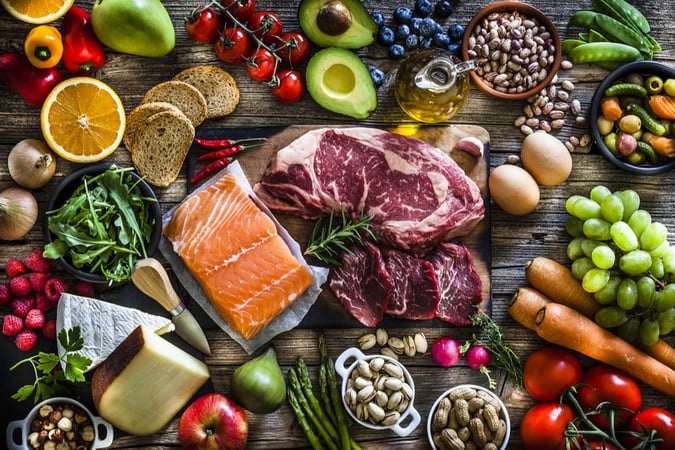
The traditional definition of “perishable foods” has been revised over the years to reflect scientific and technological developments. “Perishable foods” broadly emphasizes the idea that food such as raw meat or produce eventually spoils, but without any connotation regarding safety. Once the number and severity of food recalls due to foodborne illness became more common as a public health issue, perishable foods were redefined as “potentially hazardous foods” (PHF) to acknowledge the new concerns. Most recently “PHF” has undergone yet another transformation. Increasingly, the new term used is “TCS,” or foods requiring time and temperature control for safety. This change emphasizes not merely the potential existence of unsafe pathogens, but the two primary ways to control contamination in …
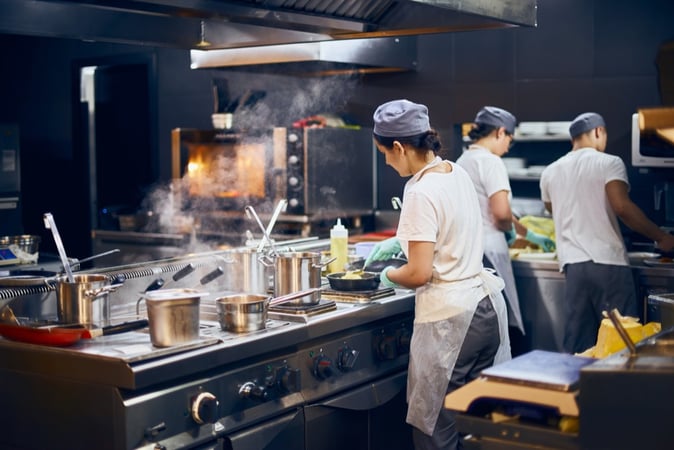
In an analysis of the contributors to food waste, Rethinking Food Through Economic Data (ReFED) recently identified opportunities for digital innovations to reduce food waste. In this post, following their lead, we take a look at some remarkable app technologies that can be an affordable and profitable gateway for companies in both the grocery and restaurants sectors that wish to participate in the growing world of sustainable food retail. Winnow Solutions Restaurants rarely collect accurate data identifying the kinds of food they dispose of and the reasons for it. Without this basic information, managers can only guess how to reduce waste. Winnow Solutions uses cutting-edge AI technology to solve that problem by empowering staff to monitor their waste, cut costs, save time, and run more …