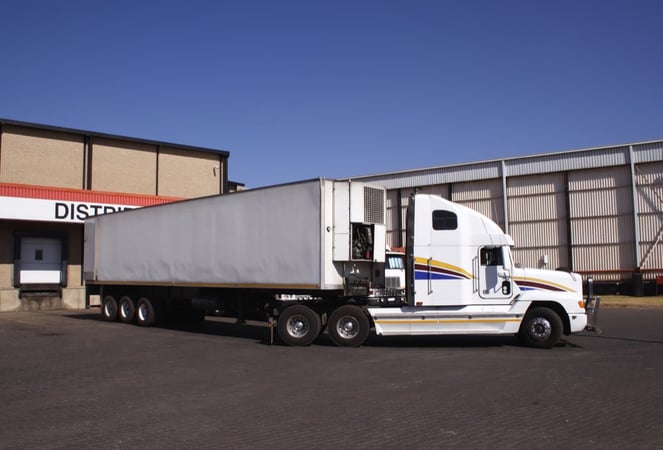
Refrigerated and temperature-controlled cargo is becoming more popular as more commodities require specific climate conditions for transport. More and more goods are traveling around the globe, and often these commodities have a higher value because of their perishable characteristics. This includes produce and other food perishables as well as pharmaceuticals and medicinal products that must be kept in a temperature-controlled environment. For fleet managers and transportation managers, this poses some new challenges, especially in risk management. Because any failure to maintain temperature or other required climate characteristics can result in damage or cargo loss, more is at stake. Therefore, careful temperature management practices must be ensured in order to prevent such losses. …
Posts about Food Safety (11)

California has experienced unusual weather throughout its 169 year history, but more recently the most populous U.S. state has seen widespread droughts and severe wind. This has caused utility companies to take proactive measures to prevent wildfires - another issue this state is no stranger to. Drought and wind contribute to starting wildfires, leading to the difficult decision of cutting off power for customers. The utility companies are turning off power because of aging infrastructure that can cause wildfires in peak-demand conditions. Despite warnings from the utility companies, organizations will have to take precautions to ensure that the power outage won’t negatively impact their business. This is particularly damaging to businesses that have stock of perishable foods, such as …

Delano, California is grape country. The northern California town is located about 30 miles from Bakersfield, and is the home of grape growers. It's also the site of the 1965 Delano grape strike led by then activist Cesar Chavez of the National Farm Workers Association (NFWA). At the time he led the workers seeking improvements in farm workers wages and working conditions. Today, however, the region is thriving in grape production, and one company, smack dab in the middle of that grape production is Jasmine Vineyards. They're a major grower of grapes of all types with red, green, and bluish colored grapes bearing names like Summer Crunch, Sweet Globe, Great Green, Scarlet Royal, and Summer Royal. Jasmine vineyards rely on the cold chain to not only store their crops, but also to …

In our previous post about expiration labels, we surveyed the history of open dating, its lack of standardization, and the subsequent consumer confusion about food safety that creates unnecessary food waste. In this post, we follow up with a discussion of the current (and inadequate) regulations for expiration dating, recommendations for change by the Natural Resources Defense Council (NRDC), current industry voluntary guidelines, and promising federal legislation now before Congress. Government Regulations of Expiration Dating The scope of federal laws governing food labeling is broad, and does not currently address expiration dating specifically. The federal government has the power to regulate date labels under the Commerce Clause in the U.S. Constitution. However, because Congress has …

Food retailers are gatekeepers to the U.S. food system. They influence what products travel from farms to shelves, and help determine consumer shopping trends. For these reasons especially, grocers are increasingly under pressure to prevent grocery food waste. For instance, the Center for Biological Diversity (CBD) recently took the industry by surprise, grading the country’s top 10 largest supermarkets on their waste reduction efforts. Only three got an A. The rest got bad publicity. That’s understandable. Supermarkets are responsible for 10% of all U.S. food waste – that’s 43 billion pounds annually. According to the Guardian, the food supply chain wastes 45% of all produce, 35% of seafood, 30% of cereals, and 20% of meat and dairy products every year. Additionally, the Environmental …

There’s a new convenience store in town. It doesn’t merely stock the old standbys, such as soda, energy drinks, snacks, and candy. No, this “multi-format” c-store is a hybrid that also offers fine wine and artisan beer, gourmet coffee, hot prepared foods, sandwich and salad bars, and upscale vending machines – even gas pumps in the parking lot. Not to mention that customers may also order online in advance or request delivery. Typically an urban phenomenon, these new-fangled stores appeal to real estate developers eager to fill spaces that see steady foot traffic by an 18-34 demographic accustomed to quick-trip shopping. In some cases, these “experiments” are startup companies, and in others, large national chains looking to supplement their traditional big box supermarkets with smaller, …