
In a previous post, we surveyed Best Practices for Food Recall Response & Prevention. As a follow up, in this post we take a deeper dive into the three recall classes: what distinguishes them from each other, illustrated by concrete examples. Then, after a brief “report card” on how well the Food and Drug Administration (FDA) has been handling the most urgent recalls (Class I), we’ll suggest a few ways companies can help the FDA minimize problems caused by recalls. Food Recall Classes: An Overview When there’s reason to believe that misbranded or adulterated products enter the market, the USDA’s Food and Safety Inspection Service (FSIS) Recall Management Division convenes its standing Recall Committee located within the FDA. Consisting of technical experts, scientists, field …
Posts about Food Safety (12)
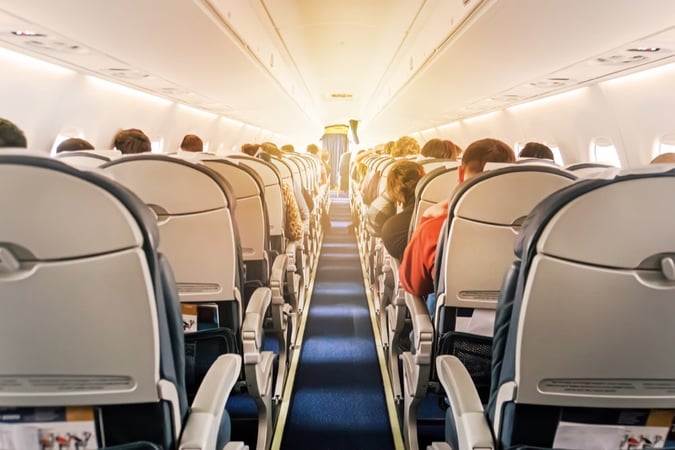
When we typically think about food safety, what comes to mind is food in transit to stores, then available for purchase, and eventually makes it on to our kitchen tables. However, there's another category of food safety: the safety of food served by airlines during air travel. The food served aboard aircraft is a heavily regulated sector of air travel. More specifically, since November 1, 2018, the Animal and Plant Health Inspection Service (APHIS) required retail facilities and airline catering services operating in or serving the U.S. Customs and Border Protection Passenger Pre-Clearance locations to comply with updated food and regulated garbage requirements. These requirements are imposed to prevent the spread of potentially harmful plant pests and animal diseases. They might reach …
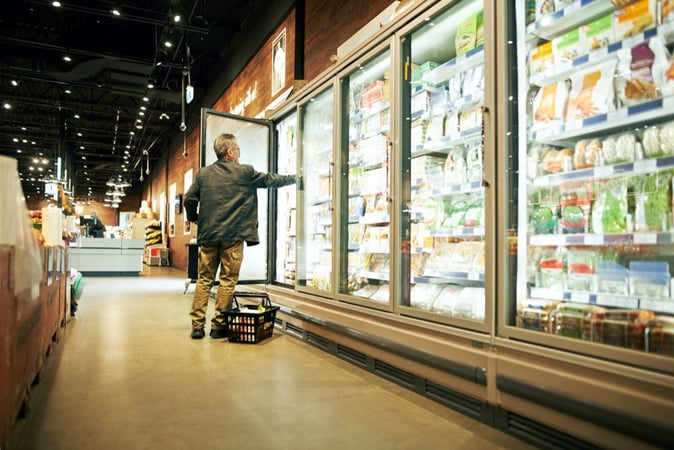
Grocery stores offer a wide variety of foods, including many perishables that require tight temperature controls. Fridges, freezers, reach-ins, and bunkers that hold these sensitive foods must be checked throughout the day, taking time away from team members from ensuring good experience for their customers. Manual temperature checks, typically done with pen and paper, are error-prone, easily forgotten, increase compliance risk, and lead to unnecessary food waste in the event of a temperature failure. This presents a significant opportunity to leverage technology to improve operational efficiency, reduce waste, and improve compliance efforts. The Challenges with Perishables & Temperature Supermarkets can maintain hundreds of refrigerators, freezers, and cases that hold …
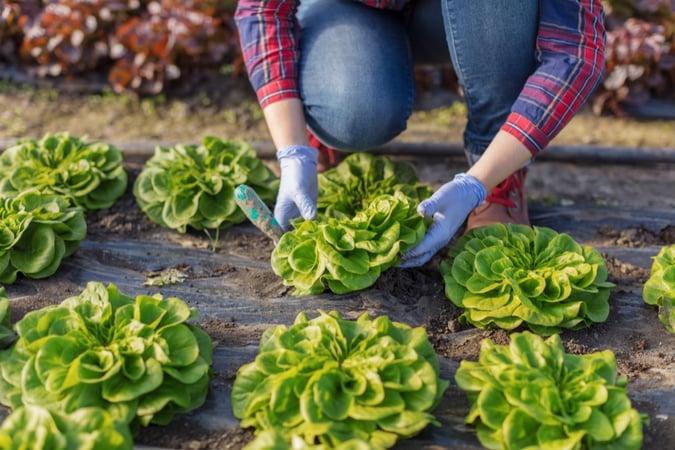
For the rules that apply now, start with Key Federal Food Safety Laws: A Complete Compliance Guide (Updated 2026). In just the last couple of months, we’ve been reading reports about one new food recall after another: Listeria in smoked salmon, E.coli in ground beef, and undeclared allergens in P.F. Chang’s frozen entrees – and that’s not an exhaustive list. These ongoing incidents have once more raised the question among health experts of just how safe our food is since passage of the Food Safety Modernization Act (FSMA) in 2011. For instance, Civil Eats recently hosted a roundtable discussion with leading food safety advocates about this very topic, and with good reason. After all, the very cause of FSMA was the federal government’s response to a similar wave of foodborne illnesses, …

During the holiday season, Americans throw out 25% more trash than the rest of the year. As you can imagine, Thanksgiving is the holiday triggering the highest percentage of food as part of this waste. If this year mirrors past statistics, we will collectively discard 35% – or 204 million pounds – of edible turkey meat. More than 150 million pounds of potatoes, green beans and other vegetable sides will find their way to the trash bin. And an estimated 14 million pounds of dinner rolls will be dumped into landfills. The Impact of food waste during Thanksgiving. Source: https://www.uschamberfoundation.org/blog/post/impact-food-waste-during-thanksgiving Imagine not just the sheer size of those numbers, but what that waste is doing to our environment: a million metric tons of greenhouse gas …

In our previous post about inventory management during Thanksgiving, we touched on the importance of turkey as the key food product most in need of careful advance planning to optimize stock. In this post, we’re taking a deeper dive into the safety issues turkey raises along the cold chain. Every year, a significant number of consumers acquire foodborne illnesses during the holiday season. Just last year, 22 turkey slaughter operations and seven processing facilities were contaminated with a deadly strain of Salmonella. The CDC reported that 164 people across 35 states were confirmed infected and more than 60 admitted to hospitals, where at least one died. Faced with these statistics, grocery stores are under enormous pressure to ensure a safe Thanksgiving. All it takes is one scary …