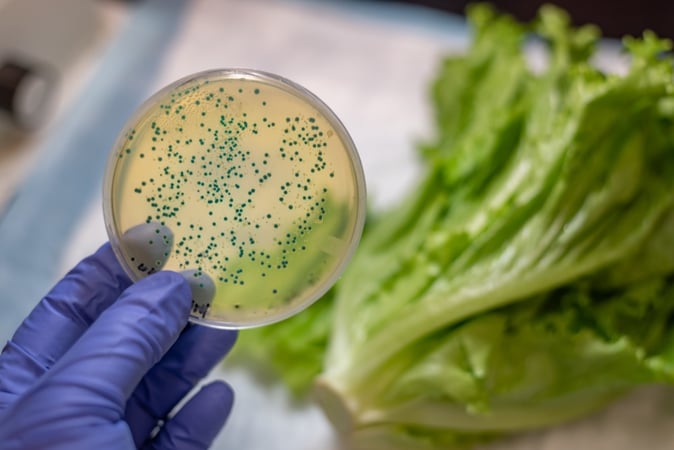
Recently, hundreds of pounds of salad from Whole Foods, Trader Joe's, and Walmart were recalled due to concerns about salmonella and listeria contamination. The food supplier was a California-based company that was responsible for recalling some 2,811 pounds of ready-to-eat salads. What Is The Difference Between a Recall and an Outbreak? According to the U.S. Department of Agriculture, a food recall occurs when there's some reason to believe that a food might cause consumers to become ill; in the case of the salad it was salmonella or listeria that could cause food poisoning and other subsequent illnesses. A food producer initiates the recall to take the products off the market immediately to avoid further health problems and to protect their liability. In some situations, food recalls …
Posts about Food Safety (13)
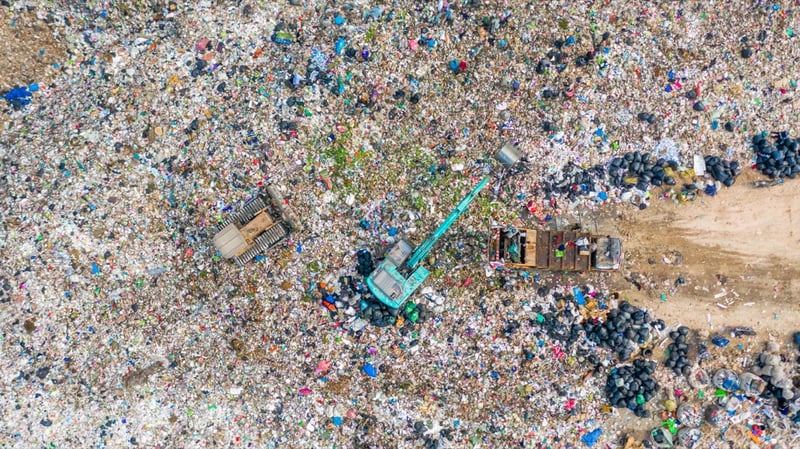
Earlier this year, Seattle resident Nathan Gregg made a disconcerting discovery at the downtown municipal dump: a pile of Amazon Go packaged meals stacked nearly 6 feet high. Gregg took photos that clearly show salads, wraps, and sandwiches in their original sealed plastic containers alongside other packaged food products. Food unnecessarily wasted from an Amazon Go store. Photo by Nathan Gregg. Source: https://www.buzzfeednews.com/article/nicolenguyen/amazon-go-waste-food-packaging Responding to media coverage of the incident, an Amazon spokesperson explained that the company’s strategy is to compost food unfit for donation and recycle the packaging. Deflecting any responsibility for the disposal, Amazon implicitly blamed local nonprofits instead: “Amazon Go’s policy is to donate unsold …
21st century consumers care more about sustainable business practices than ever before – Millennials in particular. By 2025, this generation will represent 75% of the workforce and will have $2.75 trillion in spending power globally. A recent Nielsen global online study found that Millennials are most willing to pay extra for sustainable offerings – almost three-out-of-four respondents in the latest findings, up from approximately half in 2014. “Brands that establish a reputation for environmental stewardship among today’s youngest consumers have an opportunity to not only grow market share but build loyalty among the power-spending Millennials of tomorrow.” – Grace Farraj, SVP, Public Development & Sustainability, Nielsen Not only do Millennials want good food, they also want …
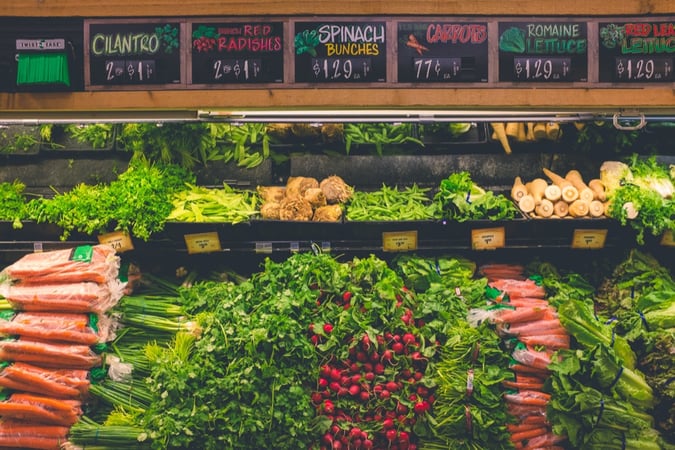
There was once a large grocery chain with over 1,000 retail locations who wanted to improve its business. Competition was growing, labor costs were increasing, and they needed to operate more intelligently than they had previously. Leadership was frustrated with the limited visibility they had into store operations. Management was frustrated with the time employees spent on routine, non-customer facing activities. All of this is to say that they knew there was a better way. Their business was complex, making it challenging to optimize store operations at scale. With three different store formats, dozens of makes and models of equipment, a varied mix of employee skill levels, and a broad range between their best and worst performing stores, this grocery store had an uphill battle. Their …
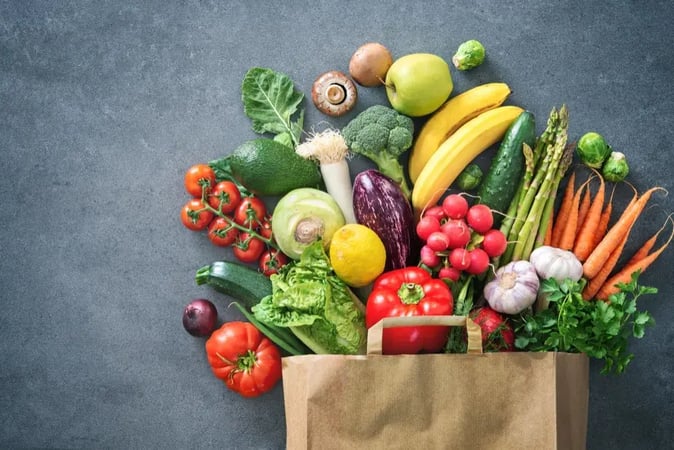
Harvey Wiley was a chemist, a professor, and eventually a government bureaucrat who took a job most people would have considered a dead end. What he found when he got to Washington in 1883 was a dangerous food supply, which he spent the next 30 years trying to fix it. Cottonseed oil was sold as olive oil. Honey was cut with corn syrup. Baby formula laced with morphine. Common preservatives like borax and formaldehyde in everyday foods, with no government authority to stop any of it. Wiley saw all of this and decided someone had to do something. He recruited volunteers to eat poison to prove his point. He toured the country giving hundreds of speeches. He drafted legislation, lobbied senators, and outlasted three presidents. By the time he was done, the Pure Food and Drug Act had passed, …
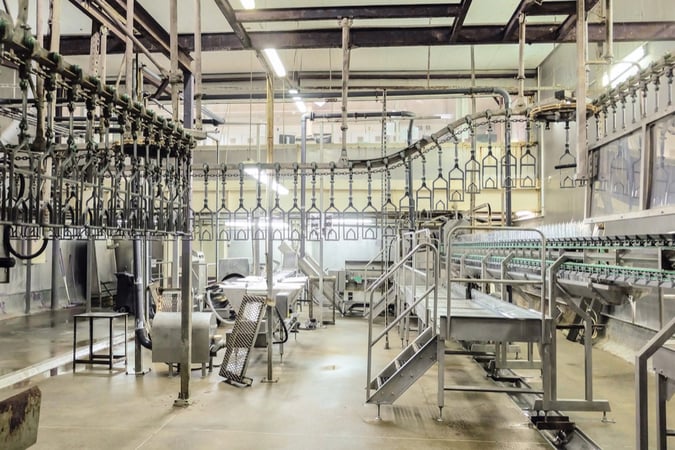
Upton Sinclair didn't set out to reform America's food supply. He set out to expose the exploitation of immigrant workers in Chicago's meatpacking industry. What happened instead became one of the most dramatic examples in history of a book changing the law. Published in 1906, The Jungle ignited a national scandal that forced President Theodore Roosevelt to act, resulting in the Meat Inspection Act and the Pure Food and Drug Act. The two laws that created the FDA and USDA's food safety authority, and form the legal foundation of food safety regulation in the United States to this day. Sinclair’s undercover assignment By the early 1900s, politically progressive leaders had begun to publish attacks on meat-packing establishments for their unsafe working conditions and unjust employment …