
The FDA report makes a compelling argument that food service has plenty to do to ensure the safety and quality of food products along the supply chain. So, what’s the best way to go about it? First, take a hard look at your current food safety plan in place. Do you have one? If not, there’s no time better than now to get started. Does the plan meet all of the FDA and USDA regulations? If not, bring it up to code. There’s no excuse for any food company to take a risk with public health by not implementing a compliant food safety plan. Second, once that work is accomplished, ask yourself: where can we go from here? That is, how can your company move beyond compliance into the realm of excellence? Based on Global Food Safety Initiative (GFSI) recommendations, the Safe Quality Food Institute …
Posts about HACCP (4)
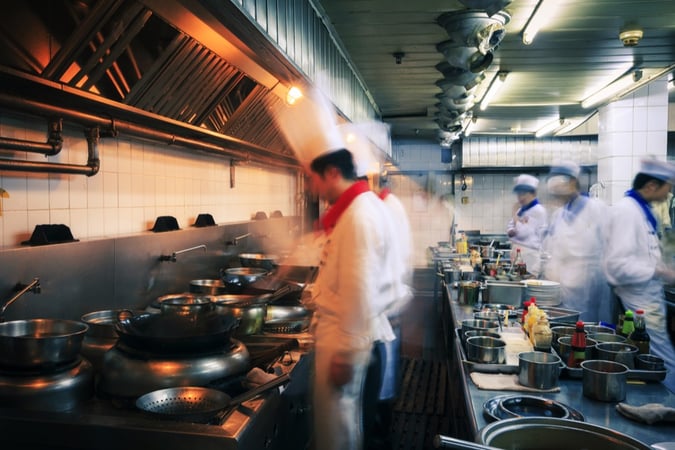
Foodborne illness remains a major public health concern in the United States. As estimated by the Centers for Disease Control and Prevention (CDC), outbreaks cause approximately 48 million illnesses, 128,000 hospitalizations, and 3,000 deaths each year. As consumer demand for dining out has led to increased spending in both fast food and full service restaurants, the restaurant industry has become a major driver of not only foodservice, but also foodborne illness. Along with this high demand comes the need for careful attention to food safety practices and behaviors that minimize the incidence of outbreaks. In response, the Food and Drug Administration (FDA) has passed legislation to combat foodborne illness. But the question remains: has it been effective? In this post, we review a …

Food safety should be top of mind for food service organizations. The idea is surprisingly simple: keep food free of foodborne illness. The implementation of temperature-controlled food safety, however, is surprisingly difficult: monitor and maintain the temperature of each and every perishable food item that will be consumed. The complexity of monitoring food from farm to fork inevitably leads to negligence. Food storage, handling, and prep does not typically fall under a single organization. Farmers are not usually the folks selling their food to the public. Outside of a farmers market, perishable food items commonly have many steps to take in the food safety supply chain each with its own set of unique challenges. Negligence, however small, at any one of the steps in the food supply …
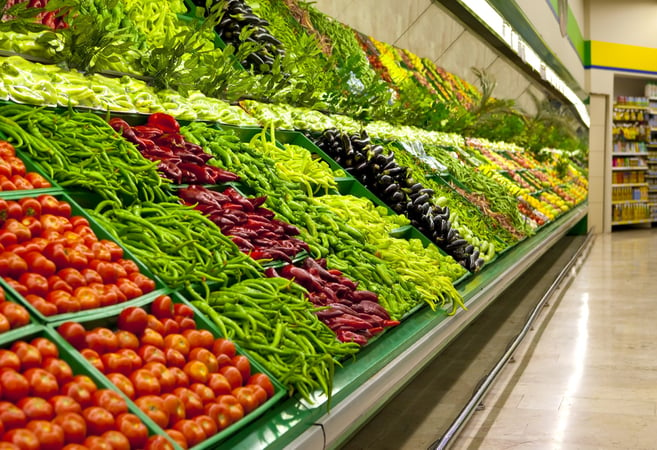
"In the freight industry, the year-round produce that we enjoy impacts the supply and demand for trucks, affects capacity, and freight rates as well," writes FreightWaves Market Expert Michael Crosby on their website. "Strawberries and lettuce from California, tomatoes and oranges from Florida or grapefruit and pecans from Texas definitely influence the freight markets, but there’s more than inland transportation that goes into keeping every bin stocked at the local supermarket. Seasonality impacts what fruits and vegetables are imported and when, but unpredictable extremes in the weather such as drought, flooding and hurricanes also dictate responses to the ever-growing demand." Over the years, the United States and the rest of the world have exerted new-found demand for fresh produce. …

Grocery stores provide a wide variety of goods, ranging from standard food products such as produce and dairy, and extending as far as pet products or sporting goods. This presents a unique problem to grocers: how do you get a handle on food safety when there are so many departments to manage? Additionally, consumers are becoming more health conscience and are demanding fresher, healthier foods, which requires more advanced, comprehensive food safety management systems (FSMS). In this post, we’ll talk about the challenges of food safety in grocery stores, and how changing consumer expectations are impacting current standards. Changing Consumer Expectations Consumer expectations for products in grocery stores and supermarkets are rapidly changing. Packaged foods had previously dominated …
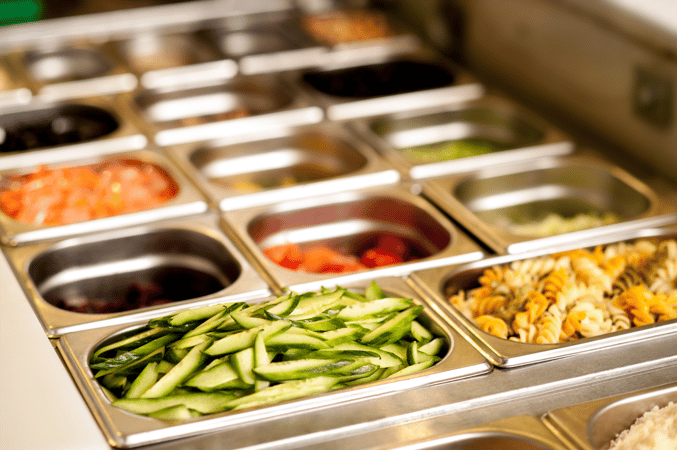
When we think of “food services,” prison commissaries don’t immediately come to mind. That’s probably because prison life in general is kept to the margins of social consciousness. While it is true that inmates are denied certain freedoms as part of their sentences, they continue to claim the human right to health and wellness, and rightfully so. Unfortunately, this population is half-forgotten when it comes to foodborne illness in prisons (in addition to basic human expectations, but that’s a conversation for another time). “Correctional inmates are more than 6 times more likely to suffer from a food-related illness than the general population” - Mariel A. Marlow, Ruth E. Luna-Gierke, Patricia M. Griffin, Antonio R. Vieira, “Foodborne Disease Outbreaks in Correctional Institutions—United …