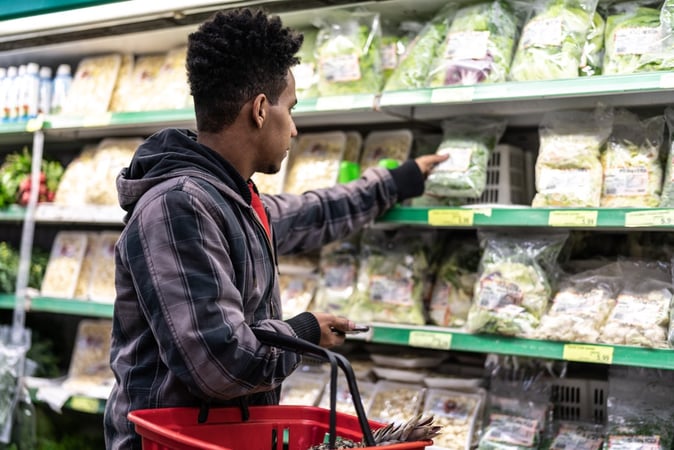
In our previous post about key food safety laws, we surveyed the history of legislation that has resulted in the need for food producers, distributors, and retailers to comply with detailed regulations to ensure food integrity and public health. In this follow up post, we review the importance of compliance to these laws for the health of your business, and how a Food Safety Management System (FSMS) can best ensure that your operations, employees, and suppliers use the right Good Manufacturing Practices (GMP) to meet both FDA and USDA compliance requirements. Federal Enforcement of Food Safety Standards The passage of the Food Safety Modernization Act (FSMA) significantly increased the Federal Drug Administration’s legal mandate to regulate food safety by shifting from reactive to …
Posts about HACCP (3)

Every organization involved with the food supply chain shares responsibility for the safety of food. Essential components of the chain include growing, processing, packaging, labeling, distributing, storing, preparing, selling, and serving food. At each of these stages of the industrial food system, food products may be exposed to various levels of risk. The federal government oversees this system by establishing standards, legislating regulations, and enforcing their compliance. In this post, we survey the key food safety laws of the last 100 years that have culminated in the Food Safety Modernization Act of 2010, taking special notice of their historical importance and basically reactionary approach based on responding to – rather than preventing – food safety disasters. How Are Food …

Grocery stores offer a wide variety of foods, including many perishables that require tight temperature controls. Fridges, freezers, reach-ins, and bunkers that hold these sensitive foods must be checked throughout the day, taking time away from team members from ensuring good experience for their customers. Manual temperature checks, typically done with pen and paper, are error-prone, easily forgotten, increase compliance risk, and lead to unnecessary food waste in the event of a temperature failure. This presents a significant opportunity to leverage technology to improve operational efficiency, reduce waste, and improve compliance efforts. The Challenges with Perishables & Temperature Supermarkets can maintain hundreds of refrigerators, freezers, and cases that hold …

In our previous post about inventory management during Thanksgiving, we touched on the importance of turkey as the key food product most in need of careful advance planning to optimize stock. In this post, we’re taking a deeper dive into the safety issues turkey raises along the cold chain. Every year, a significant number of consumers acquire foodborne illnesses during the holiday season. Just last year, 22 turkey slaughter operations and seven processing facilities were contaminated with a deadly strain of Salmonella. The CDC reported that 164 people across 35 states were confirmed infected and more than 60 admitted to hospitals, where at least one died. Faced with these statistics, grocery stores are under enormous pressure to ensure a safe Thanksgiving. All it takes is one scary …
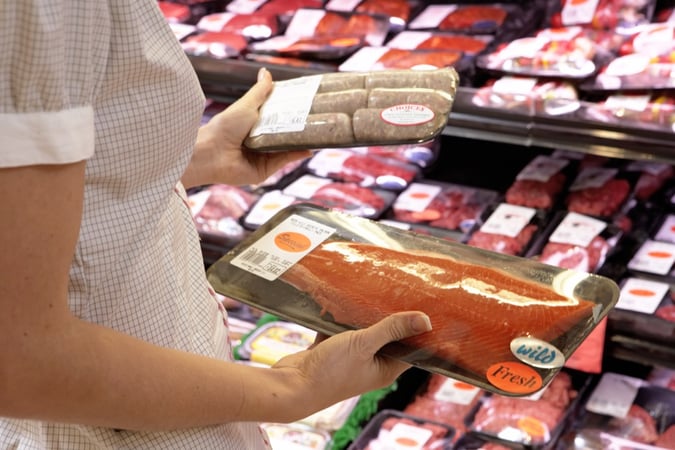
Every year, the USDA manages over 100 recalls (sometimes as many as 150) across the United States. These recalls are made for a wide range of issues, from something as simple as an undeclared allergen to issues as dangerous as Shiga toxin-producing E. coli (STEC). Recently, a wholesale grocer recalled pre-cooked and raw meat and poultry products due to a lack of fridge temperature monitoring along the supply chain. This in and of itself is not particularly uncommon, however, the difference between this and more common recalls is the fact that the breakdown in food safety occurred as a result of temperature abuse during transport. Grocery Asset Sensors Help Prevent Spoiled Foods C&S Wholesale Grocers, the largest wholesale grocery supply company in the United States, acts as a …
The World Health Organization (WHO) and the Food and Agriculture Organization of the United Nations (FAO) have worked together to mark June 7th as the first ever World Food Safety Day (WFSD). This day is meant to highlight the risks of foodborne illness and food insecurity that threaten hundreds of millions of people every year. By calling attention to the issue, the WHO and the FAO want to bring food safety to the public eye. Collectively, we can help to fight foodborne illness and improve the health of people across the planet. As the FAO has said, “everyone has the right to safe, nutritious and sufficient food.” Prevent, Detect, and Manage Foodborne Risks Food security is essential to our future on this planet. One of the driving forces, climate change, has reduced food security for …