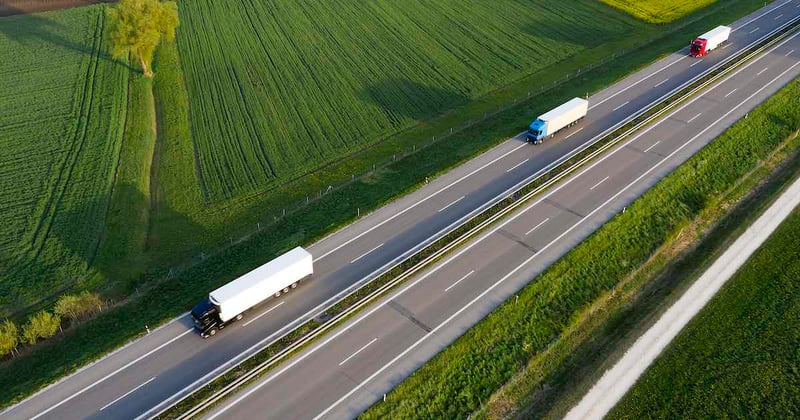
Successful food retailing is a complex operation that starts long before product arrives at the store. For instance, a pivotal point in this process is the transfer of product from transport vehicles to a grocer’s warehouse. Why? Because...
Posts about HACCP (2)

The cycle foods travel along the cold and value chain is called the “flow of food.” When the flow of food is subject to federal regulations, commercial and not-for-profit food service operations are legally responsible for the safety of all their...
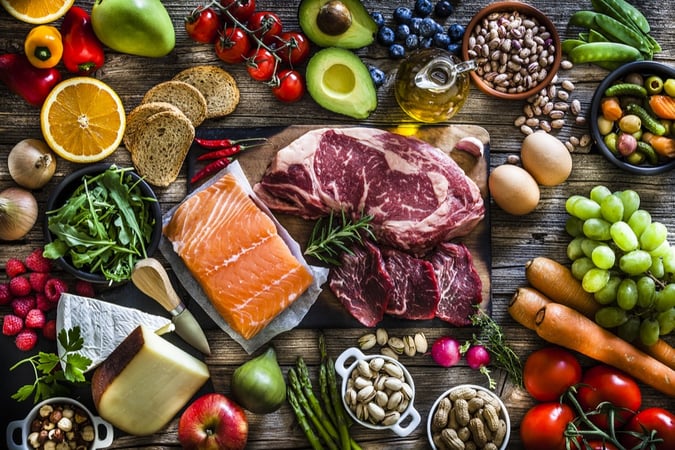
The traditional definition of “perishable foods” has been revised over the years to reflect scientific and technological developments. “Perishable foods” broadly emphasizes the idea that food such as raw meat or produce eventually spoils, but...
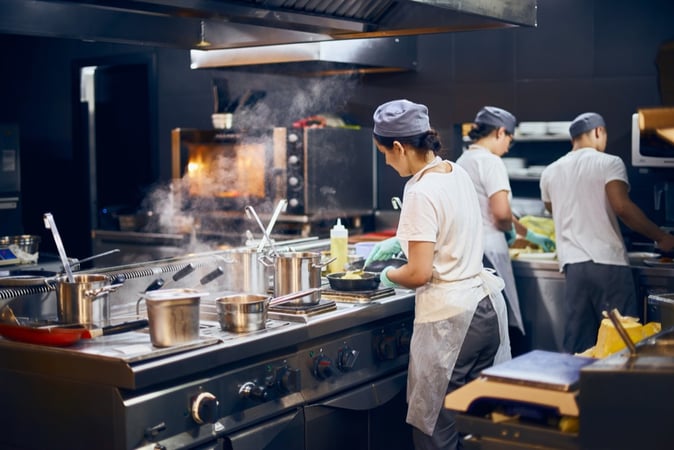
In an analysis of the contributors to food waste, Rethinking Food Through Economic Data (ReFED) recently identified opportunities for digital innovations to reduce food waste. In this post, following their lead, we take a look at some remarkable app...
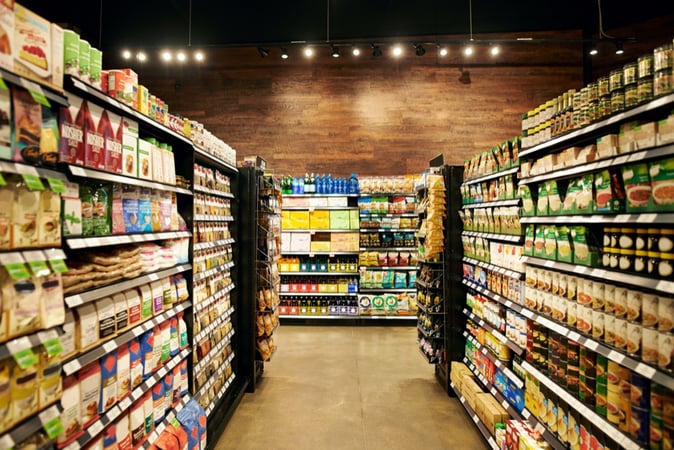
Fighting food waste can present a major market opportunity for the grocery sector, not to mention crucial benefits for all sectors of society. One way grocers can take advantage of this opportunity is to partner with organizations and startups that...
In our previous post about key food safety laws, we surveyed the history of legislation that has resulted in the need for food producers, distributors, and retailers to comply with detailed regulations to ensure food integrity and public health. In...