
Scaling food safety and quality control across multiple c-store locations is more pressing than ever. Why? The trend toward freshly prepared, made-to-order foodservice fundamentally shifts the c-store concept from a retail model to a food service model. C-stores are now direct competitors with quick-service restaurants (QSRs). Consequently, fresh food carries significantly higher biological risks than pre-packaged snacks, while, at the same time, increasing logistical complexity. C-stores, therefore, must modernize their operations across several critical areas to improve KPIs. C-store operations managers must shift from legacy manual standard operating procedures (SOPs) to prescriptive workflows informed by automation, built-in guidance, and advanced analytics. Despite the new challenges …
Posts about HACCP

Food safety is not a bureaucratic formality devoid of impact in the real world. The CDC estimates about 48 million illnesses and about 3,000 deaths from foodborne illness each year. Every organization that touches the food supply chain carries a share of that responsibility, from the farmer who grows the produce to the restaurant that plates it. The stages of that chain are numerous: growing, processing, packaging, labeling, distributing, storing, preparing, selling, and serving. At each stage, food products face varying levels of risk. And at each stage, the federal government has something to say about it. This guide traces the federal food safety laws that have defined the last century of American food regulation, explains why each one exists, and brings you current on the significant …

During the COVID-19 pandemic, there were significant disruptions to K-12 school food services nationwide. School nutrition directors were forced to rapidly adapt their school cafeteria and kitchen operations to continue feeding students while maintaining standards for K-12 nutrition. Key to these adaptations was their realization that a Sensing-as-a-Service solution would not only solve many of the crises brought on by the pandemic, but more importantly for the longer term, significantly improve efficiencies of time, money, and labor by replacing outdated manual pen-and-paper methods of temperature monitoring with the power of connected IoT technologies. In early 2020, K-12 districts closed schools as part of initial COVID-19 quarantine measures. Many school nutrition directors had to …

The food service industry is undergoing an era of labor uncertainty and demand volatility. The reasons are many and complex: the rise of e-commerce, supply change disruptions due to natural catastrophes brought on by climate-change, and higher expectations of consumers regarding safety, quality, and sustainability. On top of all that, the FDA’s new 2026 traceability regulations loom on the horizon. The bottom line is that food service operators must do more with less if they want their operations to remain agile enough to attract, satisfy, and retain customers. That means adopting IoT technologies to free employees from tedious, time-consuming, manual tasks so they can focus more hours on improving the customer experience. Sensing and monitoring devices connected across the supply chain …
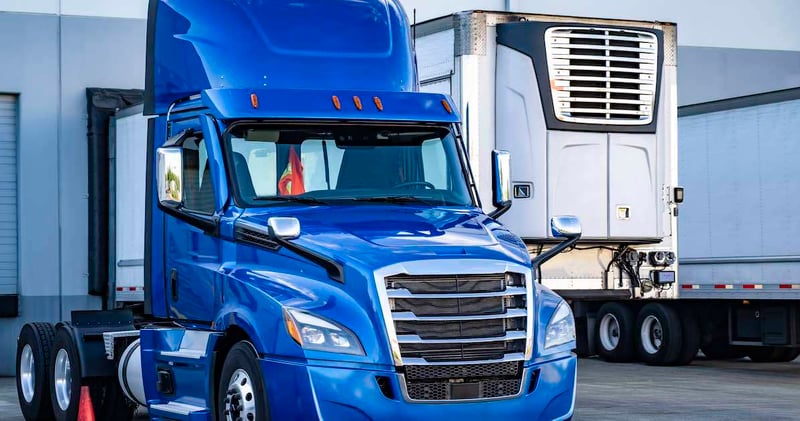
Wholesalers and retailers in the food manufacturing and pharmaceutical industries must ensure the effective delivery of pathogen-free food and critical medications to their customers who rely on them for their health and well-being. To do so successfully requires accurate, real-time data across the cold chain, from the manufacturing floor to the warehouse to point of sale. It is, therefore, a top priority for executives to implement an IoT Sensing-as-a-Service solution to ensure seamless quality assurance. When empowered by data-driven decision-making tools, safety and QA managers are guided by descriptive insights about on-the-ground operations to streamline workflows and thus reduce risks related to safety and product loss. Ensuring quality in food manufacturing with greater …

The restaurant industry has always struggled with high levels of employee turnover. And especially since the onset of labor disruptions caused by the COVID-19 pandemic in 2020, the need to employ and train new and temporary workers has escalated to record-breaking levels. For example, in 2022, only 54% of QSR employees worked for 90 days before quitting. Some economic forecasters predict that labor deficiencies in the restaurant industry may be a permanent condition. All the more reason that restaurant leaders must find innovative solutions to maintain efficiencies given less staff with less experience. In the absence of manpower, IoT connectivity combined with automated digital decision-making tools generate real-time insights and prescriptive actions that restaurant managers, operations …