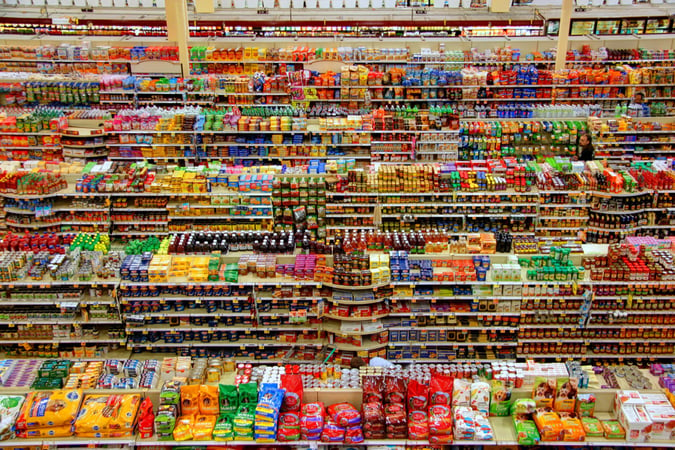
Grocery stores, supermarkets, convenience stores... from name brands to mom and pop shops, the retail experience has changed drastically over the years. Self-service grocery stores however, both large and small, have remained largely unchanged since their inception in 1916 by Piggly Wiggly. The introduction of the shopping cart in 1937 by Sylvan Goldman, owner of the Humpty Dumpty supermarket chain, further upended the grocery market. Since then, there have been relatively few changes in the grocery shopping experience. So what’s next for grocery asset management? In this post, we’ll examine the future of how customers might experience their local grocery store, and ways to stay one step ahead of the competition. Enabling Grocery Store IoT Technology As grocery store technology has …
Posts about HACCP (5)

With each passing year of the 21st century, the restaurant cold chain continues to grow in new directions. Compared to 20 years ago, It’s less linear (similar to a chain) and more branching (resembling a tree). Plus, there are more touchpoints and more individual players involved. One significant reason for these developments is changing consumer tastes, in both food and service. With the rise of the organic movement, customers want fresh, local ingredients which means more farms to deal with, new transportation routes to cover, and greater care needed to keep perishable foods in the right temperature zones. Simultaneously, the consumer desire for greater convenience has blossomed into a novel variety of takeout, eat-in and delivery options – everything from kiosks and self-service to …

As we’ve said before, food safety is no easy task: it requires diligence, patience, and above all else, commitment to ensuring customer safety and product quality. All food service businesses have the same obligation to safety, whether or not they are a family run restaurant, a quick service chain with stores worldwide, or a public venue that serves thousands of guests in a few short hours. Recently, ESPN reported on the state of food safety at public venues and the results are dismal. Among the many violations located in stadiums includes mouse droppings in cooking areas, employees spitting into food, and improper temperature storage for both hot and cold foods. The Challenges of Feeding Fans at Stadiums Public venues, like baseball fields or soccer stadiums, are in a difficult position …

Foodborne illness is a serious issue – 48 million people get sick, 128,000 are hospitalized, and 3,000 die every year from food-related sickness. Anything that can be done to reduce human suffering can and should be prioritized, which is why it's incredibly important for foodservice organizations of all sizes to have an effective food safety strategy in place. Here are the top 5 reasons to consider a robust food safety plan before losing your budget for the upcoming year. 1) It Can Save a Life First and foremost, the role of a food safety management system (FSMS) is to ensure healthy customers. As consumers, we should not have to worry about the safety of the food we consume. It is reasonable for us to assume that organizations are doing everything in their power to ensure the safety of …
For current practice, start with Designing Seamless Quality Assurance Across the Cold Chain. The Food and Drug Administration (FDA) has a straightforward, albeit complicated, purpose: protecting and promoting public health. In order to successfully live up to this mandate, this government agency must conduct wide-ranging investigations to better understand areas for improvement. As such, the FDA has recently released a study that analyzes the occurrence of foodborne illness risk factors. Reducing Foodborne Illness Risk Factors Join us on December 12, 2018, with Cathy Crawford, President of HACCP Consulting Group, where she will review in-detail the recent study and the relationship between proper food safety training, digital food safety, and reduced foodborne illness risk factors. …
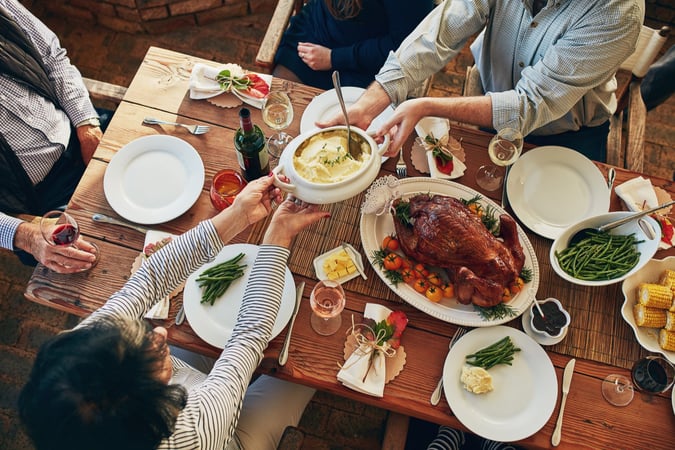
Thanksgiving is just around the corner – do you have your turkey and all the fixings for your Thanksgiving dinner ready to go? Better yet, do you know what your turkey has been through to make it to your dinner table!? Retailers and distributors sure do. They understand the high-demands of the holiday season better than anyone else. It's becoming increasingly important to respond to these demands with technology that helps to prevent foodborne illness, reduce product loss, and ultimately, keep customers happy. So whether consumers plan to eat a standard turkey dinner, prefer to eat vegetarian, or will make an attempt at cooking the turducken, at least some of the food required to complete your meal is sourced from another state. Let's take a bird's eye view of the process to understand …