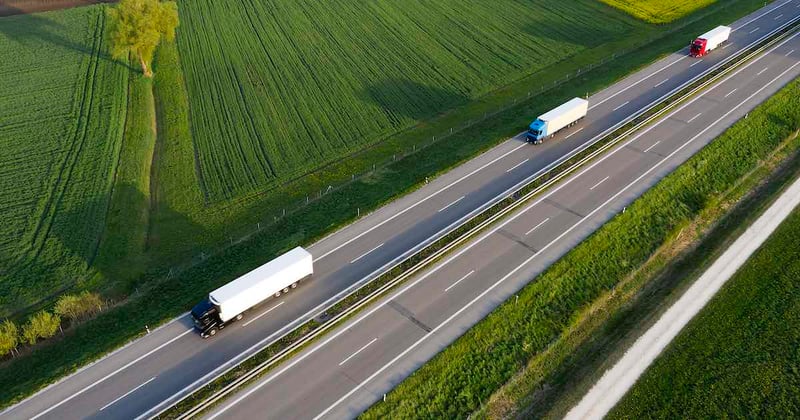
Successful food retailing is a complex operation that starts long before product arrives at the store. For instance, a pivotal point in this process is the transfer of product from transport vehicles to a grocer’s warehouse. Why? Because temperature-sensitive foods deteriorate quickly if not stored promptly in refrigerated areas upon delivery. Of course, the flow of food across the supply chain encompasses a multitude of similar points of contact requiring timely action to maintain food safety, quality, and availability. In this post, we take a look at why end-to-end transparency, also known as “supply chain visibility,” is a must for the modern grocer and food retailer. Supply chain visibility (SCV) is essentially an inventory logistics strategy that tracks, monitors, and records the …
Posts about Supply Chain (4)

In the United States alone, the FDA estimates that 30%–40% of the food supply is wasted. That’s approximately 35 million tons annually. Or on a more human scale, that’s 219 pounds of waste per person each year. With record-high inflation rates increasing the potential for an economic recession, today’s consumers simply can’t afford to discard one-third of the food they purchase. Considering that global food prices are 34% more expensive year-over-year, food service companies — from restaurants to supermarkets — are in a powerful position to help their customers reduce food waste currently costing American families with children $1,900 per year on average. The costs to climate and the environment The costs of food waste extend beyond consumers to the much broader concerns of climate and …

The coronavirus pandemic has accelerated the digital transformation of the food service industry faster than anyone had ever predicted. Adoption of IoT technologies, such as remote sensors, analytical software, and omnichannel delivery platforms have been immensely helpful to alleviate the ongoing customer behavior changes, labor shortages, and supply chain issues. That’s all great news. But there’s still more we can do. Why? The pandemic is still with us, for the long term, as are the same problems and obstacles. During year one of the coronavirus pandemic, Covid-19 disrupted the restaurant industry to an extent not seen since WWII. During year two, just as vaccines were administered, restrictions on indoor dining eased, and customers started returning to their favorite dining rooms, new …
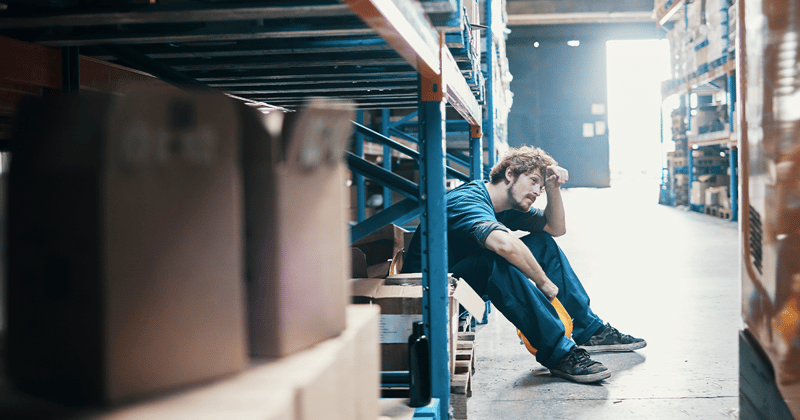
While the nation transitions into months of cooler weather we only need to look back to the previous summer to acknowledge that our world continues to get much warmer with July 2021 being the hottest month ever recorded. On-the-job illness related to the lack of facility heat index monitoring is now as threatening as the COVID-19 pandemic to the health and safety of food service workers. Employee Heat Stress Data The statistics are alarming: From 2001 to 2018, hotter daily temperatures in California resulted in 20,000 workplace injuries, both indoors and out. 43 workers died from heat stress illness in 2019 and 2,410 others suffered serious injuries. In 2021, Oregon endured historically high triple-digit temperatures for more than a week, forcing the governor to issue a 180-day emergency …
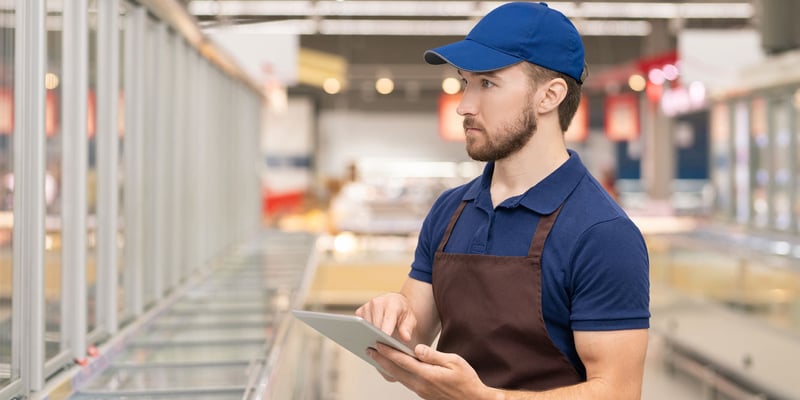
The COVID-19 crisis has radically altered the largest global retail category, food and beverage, and the post-pandemic market may very well prove to be the historic tipping point in the digital transformation of the grocery sector. As discussed in the first post of this series, the pandemic has profoundly disrupted the grocery supply chain. Bottlenecks and gaps in service forced both grocers and consumers to rapidly and dramatically change how they interact. The most significant change has been the shifting demand from traditional, brick-and-mortar stores to digital, e-commerce channels. This acceleration of e-commerce has created new challenges for food safety and sustainability. Complicating matters, the labor shortage puts manual temperature monitoring procedures at greater risk. Has …
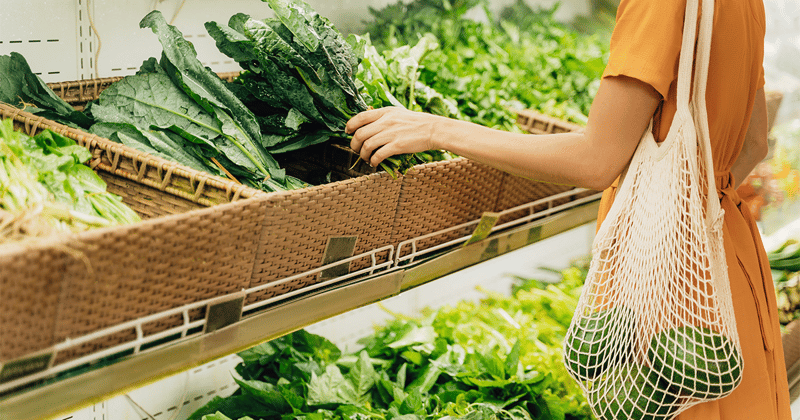
This post is the second in our series about how grocers are dealing with the legacy of COVID-19 in a post-pandemic market. In this post, we look at the issue of sustainability, and how consumers and business remain committed to their goals. In our first post, we talked about the USDA's Build Back Better initiative to fix the supply chain broken by COVID-19. One of the objectives of that program is a plan to address climate change. While global warming may at first appear incidental to the coronavirus pandemic, the Biden administration recognized that it is linked to the pandemic and overall is potentially more damaging to the supply chain in the long term. Consumers tend to agree. According to Deloitte, "making environmentally friendly choices is likely to prevail even when shopping …