
Wholesalers and retailers in the food manufacturing and pharmaceutical industries must ensure the effective delivery of pathogen-free food and critical medications to their customers who rely on them for their health and well-being. To do so successfully requires accurate, real-time data across the cold chain, from the manufacturing floor to the warehouse to point of sale. It is, therefore, a top priority for executives to implement an IoT Sensing-as-a-Service solution to ensure seamless quality assurance. When empowered by data-driven decision-making tools, safety and QA managers are guided by descriptive insights about on-the-ground operations to streamline workflows and thus reduce risks related to safety and product loss. Ensuring quality in food manufacturing with greater …
Posts about Supply Chain (3)
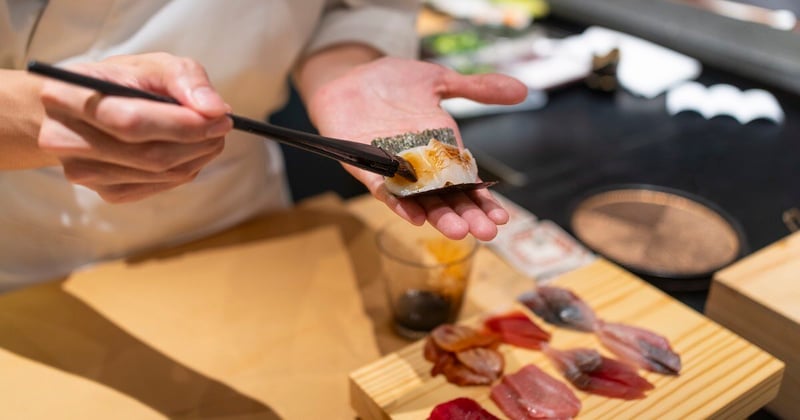
In its conventional usage, “sushi” refers to the popular Japanese delicacy in which cooked rice is formed with raw fish. Well-known variations include nigiri, maki, and hand rolls, made either manually using bamboo mats or mechanically using specialized tools. Both of sushi's main components—raw fish and acidified rice—are highly perishable and prone to pathogens that can cause outbreaks of foodborne illness. Therefore, like other foods subject to HACCP protocols, the ingredients for sushi require strict attention to food safety and quality issues during all phases of the supply chain: transport, storage, preparation, holding, display, and sale. In this post, we take a look at the logistics of safe sushi production, in particular best practices to ensure the safety and quality of both raw …

Worldwide climate change is indisputable. Rising temperatures and the risk of destructive weather patterns are becoming increasingly frequent. Consequently, natural disasters such as droughts, wildfires, hurricanes, floods, and tornadoes are having a devastating impact on global and domestic supply chains. Preparing for the inevitability of climate-related business disruptions has become the “new normal” for grocers, food service providers, pharmacies, and healthcare organizations. Smart supply chain management is therefore more critical than ever to maintain product integrity and to ensure customer and patient wellbeing. The detrimental impact of climate change One of the most common climate-related business disruptions is a power outage that can put inventories at increased risk across …

IoT-enabled Sensing-as-a-Service solutions offer valuable insights and automated, prescriptive workflows that empower employees to protect supply chain assets in real time. In this post, we examine three supply chain networks that clearly demonstrate the benefits of implementing a digitalized monitoring system: retail food service, laboratory research, and vaccine administration. Food Service: Ensuring safety, quality, and supply with advanced traceability With the FSMA Final Rule on Produce Safety taking effect in January 2026, food service companies must prepare now to ensure they can comply with the new food safety standards and regulations. Issues such as cross-contamination, allergen control, and ingredient traceability remain crucial to ensuring the health of both customers and …

Adding sensors and digital intelligence to physical objects was introduced as early as the 1980s. But it wasn’t until 1999 that Proctor & Gamble computer scientist, Kevin Ashton, coined the term “Internet of Things” (IoT). Since then, a multitude of innovative IoT technologies have been adopted by businesses to track products across the supply chain. During the early years, however, most of these technologies were single-functioned, siloed, and weakly integrated within an enterprise's end-to-end technology architecture. In recent years, IoT solutions have improved considerably with the introduction of Sensing-as-a-Service, an industry game-changer rooted in enhanced connectivity. A Sensing-as-a-Service platform combines capabilities of IoT sensors with AI-powered prescriptive …
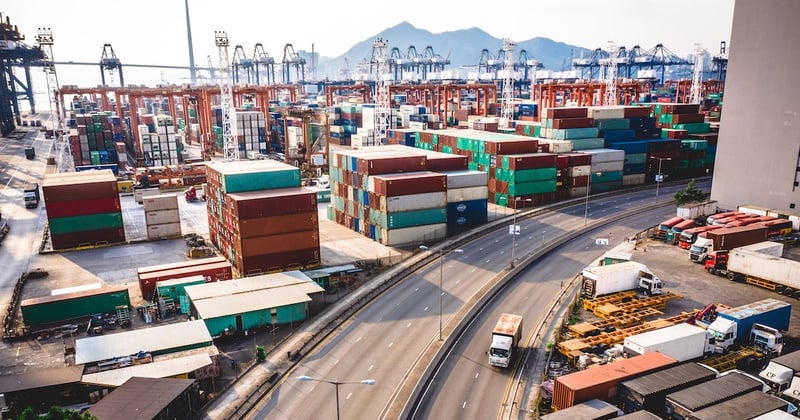
With the emergence of new business and customer segments in today’s rapidly changing markets, fragmentation is inevitable, given the proliferation of each segment’s own distinct needs and preferences. In other words, now more than ever, a multitude of customers are choosing among an abundance of products and services provided by an increasing number of vendors. Market fragmentation in itself is not necessarily negative; in fact, it's typically a sign of customer choice and healthy competition. Nevertheless, fragmentation often adds a burden for end users of IoT solutions who may be perplexed as they negotiate the complexities of disparate technologies. In particular, the excessive accumulation of log-in procedures required for employees to conduct everyday tasks can be frustrating, …