
What are cold chain operations in the pharmaceutical industry? In the United States, 165,000 clinical trials each year are carefully designed and conducted to test the safety and efficacy of drugs before they are approved by the FDA. Because many medications, in particular vaccines, must be stored and transported in refrigerators and freezers, an intricate and complex cold chain is required to ensure they are continuously maintained within their proper temperature ranges. Pharmaceutical and biotechnology companies frequently hire Contract Research Organizations (CROs) to manage clinical trials through all their stages. Rising pressure on these companies to be first to market can fast-track research to control costs, which also potentially adds greater risk to the integrity of experimental …
Posts about Supply Chain (2)

Benefits of supply chain security in the luxury goods industry A secure supply chain for high-end luxury cargo is essential for maintaining product quality and brand reputation. Luxury products, from couture fashion to antique collectibles, must meet the meticulous scrutiny and uncompromising expectations of consumers for flawless craftsmanship and certified authenticity. Risks for luxury goods as they move across the supply chain include counterfeiting, theft, and damage during transit. These risks differ from those in standard supply chains in two significant ways: first, the economic loss is considerably greater due to the high value of luxury goods; and second, damage to brand reputation can be irreparable in cases of inauthenticity. Ample opportunity exists for improved integrity …
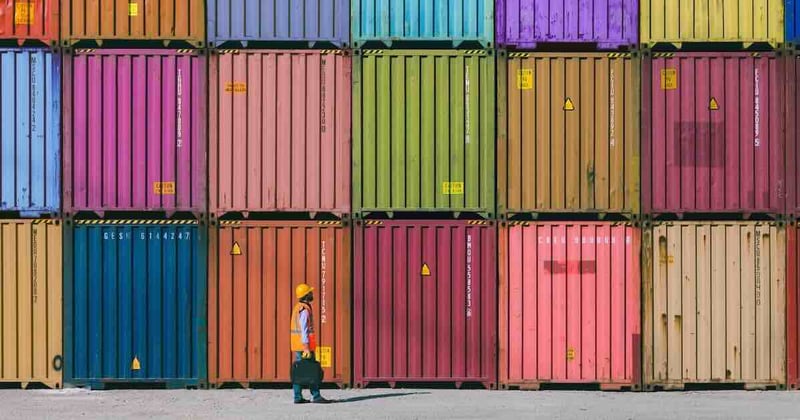
How does supply chain tracking work? In our complex global economy, implementing Sensing-as-a-Service solutions for supply chain tracking is critical. Industries such as food service, healthcare, luxury, and fashion, which have to protect perishable or high-value assets, must meet strict regulations and consumer demands for safety, quality, and authenticity as their products traverse a multifaceted supply chain network. As discussed in our previous post, mitigating cargo theft is one of the primary benefits of IoT-enabled supply chain tracking. Equally important within a Total Retail Loss framework are other non-malicious forms of loss, such as product waste, spoilage, and damage. Tracking with integrated sensor devices locates traveling assets and their conditions in real time and at …
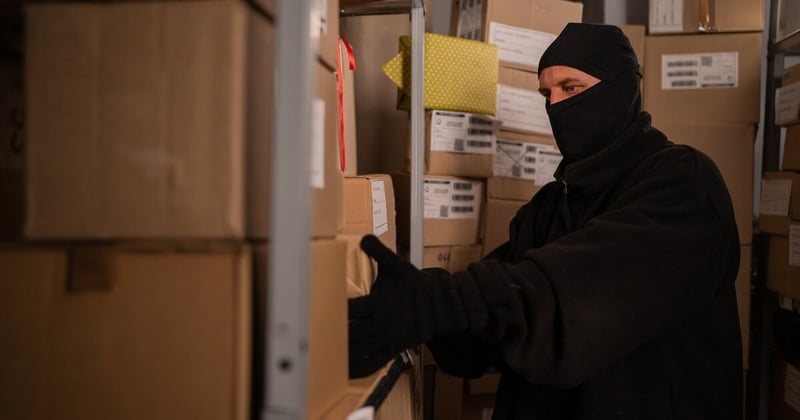
What is cargo theft? As the global logistics and transportation industry becomes increasingly interconnected, cargo theft has soared to a 10-year high. According to a recent report, incidents increased 46% in the first quarter of 2024 compared to the first quarter in 2023. This upsurge signals an urgent need for expanded security measures. In response, business leaders are adopting IoT monitoring of product location and condition to sustain agile supply chains that can withstand disruptions to maintain seamless logistical continuity. Central to supply chain resilience is visibility into the precise geographical coordinates of moving assets in real-time and proactive tactics and strategies to prevent cargo theft or resolve its consequences. What are the different types of cargo theft? …

Leaders in the food and healthcare industries increasingly believe that the cost of sustainability efforts saves their enterprises money over the long term while also saving the planet. Consumers, too, are willing to pay for the rising costs of goods if they are sustainably sourced, manufactured, and transported. Even so, until recently many CEOs have hesitated to invest in sustainability efforts because they lacked visibility into their company’s operations. Unsure of how to accurately measure the impact of sustainability goals using obscure or unprocessed data, business executives needed more confidence in their decision-making to implement change. Now, fortunately, with the development of modern IoT-enabled Sensing-as-a-Service solutions, clarity and conviction about sustainability …

The food service industry is undergoing an era of labor uncertainty and demand volatility. The reasons are many and complex: the rise of e-commerce, supply change disruptions due to natural catastrophes brought on by climate-change, and higher expectations of consumers regarding safety, quality, and sustainability. On top of all that, the FDA’s new 2026 traceability regulations loom on the horizon. The bottom line is that food service operators must do more with less if they want their operations to remain agile enough to attract, satisfy, and retain customers. That means adopting IoT technologies to free employees from tedious, time-consuming, manual tasks so they can focus more hours on improving the customer experience. Sensing and monitoring devices connected across the supply chain …