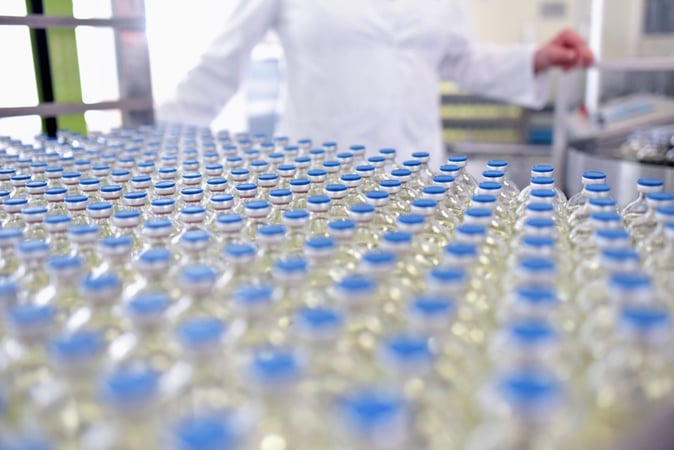
As the FDA increases regulations to ensure consumer protections, expectations for pharmaceutical quality are playing a greater role for all stakeholders in the supply chain, from manufacturers and suppliers to pharmacies and clinics. Patients in need of medications rightfully expect that their prescriptions will be safe and effective, since consumers are unable to detect contamination in drugs as they might, say in food, through sight, smell, or touch. More than ever, the industry must take responsibility to increase visibility in the supply chain and improve relationships among all entities involved in distribution. Of course, managing the quality of medications and vaccines during distribution presents many challenges. Each product has its own different shelf life and storage …
Articles from SmartSense by Digi
Recent Posts
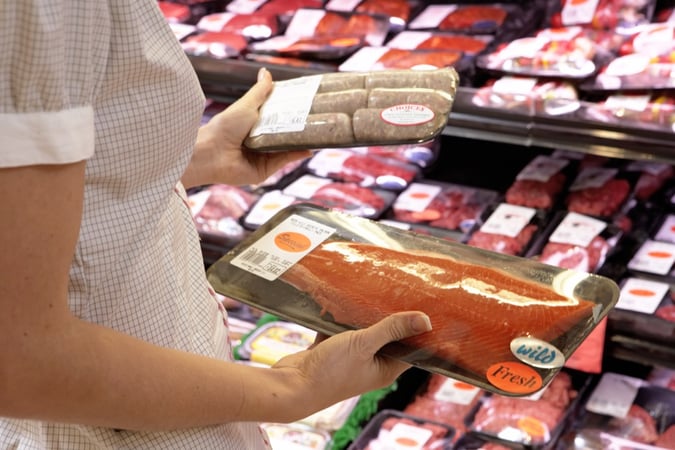
Every year, the USDA manages over 100 recalls (sometimes as many as 150) across the United States. These recalls are made for a wide range of issues, from something as simple as an undeclared allergen to issues as dangerous as Shiga toxin-producing E. coli (STEC). Recently, a wholesale grocer recalled pre-cooked and raw meat and poultry products due to a lack of fridge temperature monitoring along the supply chain. This in and of itself is not particularly uncommon, however, the difference between this and more common recalls is the fact that the breakdown in food safety occurred as a result of temperature abuse during transport. Grocery Asset Sensors Help Prevent Spoiled Foods C&S Wholesale Grocers, the largest wholesale grocery supply company in the United States, acts as a …
In part 1 of our series on food recalls, we reviewed the overall recall process and how food companies work with federal agencies to manage contaminated foods in the supply chain and protect the public health. In this post, we now turn to the health of the food companies themselves in the aftermath of a recall. Regardless of whether a recall associated with foodborne illness is purely accidental, many manufacturers, suppliers, distributors, and retailers take a serious hit to their profits and reputations. Although many recalls carry no penalties from government agencies, they can, nevertheless, be extremely costly. In fact, companies lose an average of $10 million per recall in direct costs alone. On top of that, brands can suffer serious, irreversible reputation damage that comes with …
Robotic Process Automation (RPA) uses software and artificial intelligence to automate rules-based, repetitive tasks and processes. Instead of an accountant manually reconciling two or more sets of data and investing time to understand the differences, RPA can automate the reconciliation tasks. This frees up time for workers to invest their time, intellect, and duties elsewhere. Industries such as banking, financial services, human resources, and transportation have invested in RPA and are using it to their benefit. We can expect it to be more widely applied in logistics and the many operations that surround logistical processes. RPA is, overall, in its early adoption stages. But for many industries, it has not been adopted at all. This will change for the logistics industry as we come to …

If you had to nominate only one federal agency that most effectively protects America’s wellbeing, few would argue with choosing the Centers for Disease Control and Protection (CDC). Whether diseases start in the U.S. or overseas, the CDC’s “24/7 mission” is to fight them with critical science, provide information to citizens, and thereby safeguard communities against dangerous health threats. The CDC envisions its overall mission as: Taking the health pulse of the U.S. Detecting and responding to emerging health threats Tackling the biggest health problems causing death and disability Putting science and advanced technology into action to prevent disease Promoting healthy and safe behaviors, communities, and environments Developing leaders and training the public health workforce We’ve …
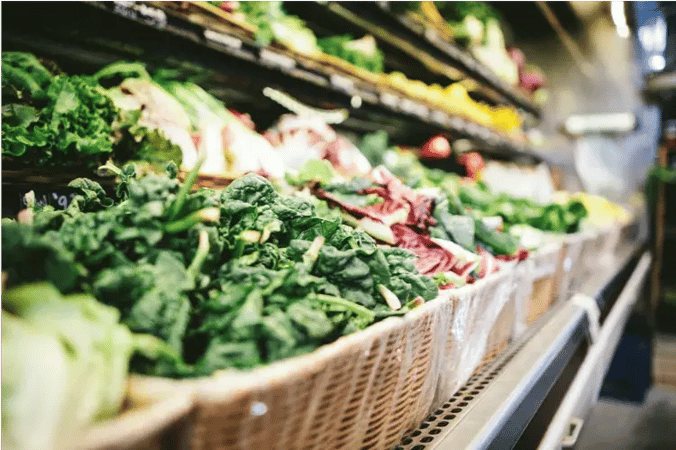
Food recalls are more common than most people realize. But for good reason—most aren’t widely publicized, because the food products involved do not pose a threat to public health. Nevertheless, as recent notorious recalls of romaine lettuce and peanuts can only remind us, contaminated and defective food products do regularly enter the market with the potential to cause serious adverse effects. When this happens, food companies, working closely with U.S. federal regulatory agencies, must take steps to ensure that consumers are safe. That’s why a food recall—removing a product from distributor inventories, grocery shelves and home kitchens —is the most effective means for protecting the public. While this process can, and often does, minimize the harm done to consumers, a recall is an …