
Transportation routes and paths of travel develop over time. Such routes represent our affinity towards building paths that connect societies to one another, both domestically and globally. They also highlight the importance of established routes to transport and deliver goods and commodities. Once established, travel routes, particularly those used for trade, become vital to linking one state or country to another and often one culture to others. Below is an outline of some well-known routes, how they developed, and their purposes. The Pan American Highway The Pan American Highway is a network of roads that crosses several American continents and stretches for about 19,000 miles. It extends from Alaska in North America to the lower reaches of South America. It's known as the world's …
Articles from SmartSense by Digi
Recent Posts

This is a 2019 news post. For the rules that apply now, start with Key Federal Food Safety Laws: A Complete Compliance Guide (Updated 2026). Although vaccination has recently become a subject of dubious controversy, overwhelming scientific evidence has proven that immunization is one of the most cost-effective and successful health interventions developed over the last 50 years. Since their discovery and implementation, vaccines have reduced illness and disability from a host of diseases, prevented 2.5 million deaths a year, lowered the worldwide incidence of polio by 99%, and eradicated smallpox entirely. In particular, immunized children protected from the threat of vaccine-preventable infectious agents have a better chance of realizing their full potential as adolescents and adults. …

This is a 2019 news post. For the rules that apply now, start with Key Federal Food Safety Laws: A Complete Compliance Guide (Updated 2026). Last week we held our exclusive 2019 Digi Global IoT Conference to bring together a select group of executives and industry leaders. We immersed our customers in the latest IoT technology and networking trends, connected them with the most progressive minds in IoT, and shared product updates and new developments. The Digi booth, one of the many tables setup for our guests to explore the future of IoT. With 3 tracks, 20 sessions, and 25 speakers, our conference attendees had no shortage of topics to explore. We’ve compiled a select list here to share some of the incredible insights the SmartSense team and our customers have shared. From Paper to the …
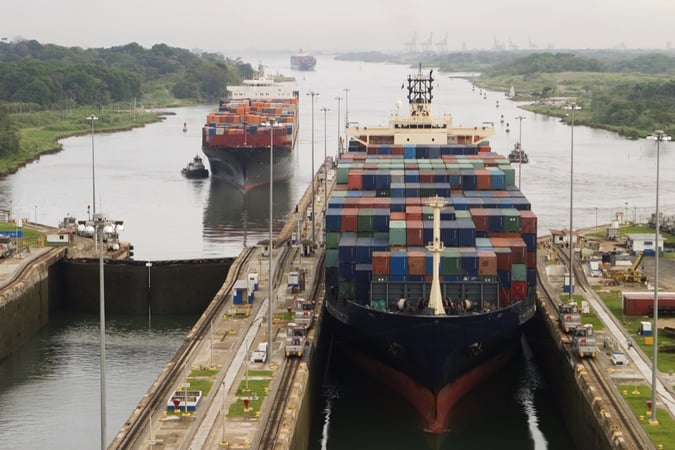
The Panama Canal affects the U.S. supply chain because about three-quarters of the cargo passing through it is heading to or from the United States, and roughly 40% of U.S. container volume moves through the canal. When transits slow, ships wait, freight rates rise, and goods bound for American ports arrive late or take a longer route. Most of the time, the Panama Canal is infrastructure you don't think about. Goods leave a factory in Vietnam, arrive at a port in Los Angeles or Savannah, and end up on a shelf or in a hospital somewhere in the Midwest. The canal is somewhere in the middle of all that, doing its job quietly. Then 2023 happened. It stopped raining in Panama, a lake started drying up, and suddenly one of the most important trade arteries on earth was running at half speed. …
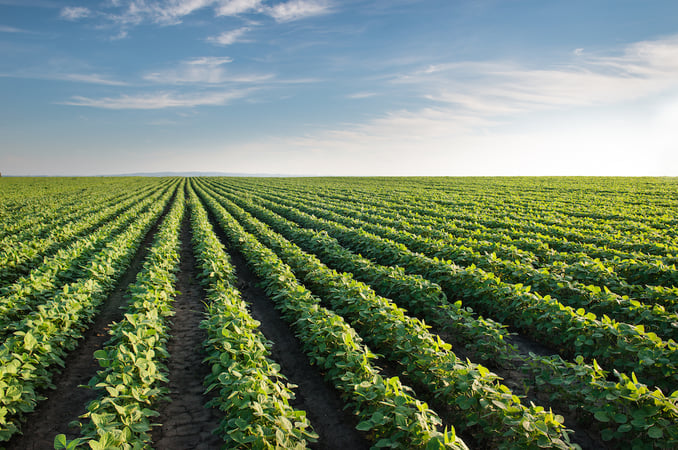
The World Health Organization (WHO) and the Food and Agriculture Organization of the United Nations (FAO) have worked together to mark June 7th as the first ever World Food Safety Day (WFSD). This day is meant to highlight the risks of foodborne illness and food insecurity that threaten hundreds of millions of people every year. By calling attention to the issue, the WHO and the FAO want to bring food safety to the public eye. Collectively, we can help to fight foodborne illness and improve the health of people across the planet. As the FAO has said, “everyone has the right to safe, nutritious and sufficient food.” Prevent, Detect, and Manage Foodborne Risks Food security is essential to our future on this planet. One of the driving forces, climate change, has reduced food security for …
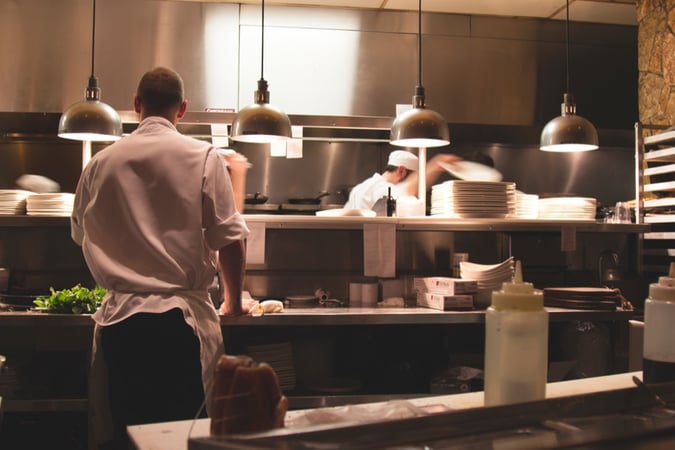
The FDA report makes a compelling argument that food service has plenty to do to ensure the safety and quality of food products along the supply chain. So, what’s the best way to go about it? First, take a hard look at your current food safety plan in place. Do you have one? If not, there’s no time better than now to get started. Does the plan meet all of the FDA and USDA regulations? If not, bring it up to code. There’s no excuse for any food company to take a risk with public health by not implementing a compliant food safety plan. Second, once that work is accomplished, ask yourself: where can we go from here? That is, how can your company move beyond compliance into the realm of excellence? Based on Global Food Safety Initiative (GFSI) recommendations, the Safe Quality Food Institute …