
Have you ever heard of the Granary Weevil? If not the name, you may have encountered this reddish-brown beetle in your kitchen, perhaps hanging out in a bag of flour or hiding in a box of pasta. Given that there are more than 200 species of grain insects, what makes the Granary Weevil so special? For one, it’s the only bug that has never been found outside of human food-storage situations. Most grain insects aren’t as choosy – they’ll feast on both animal and human food supplies. But the Granary Weevil can’t fly, unlike other closely related insects. As it evolved, its wings fused together, making it difficult to travel beyond its birth in a pile of grain destined for homo sapiens. Nevertheless, it has managed to infiltrate grains all over the world for thousands of years, even finding …
Articles from SmartSense by Digi
Recent Posts
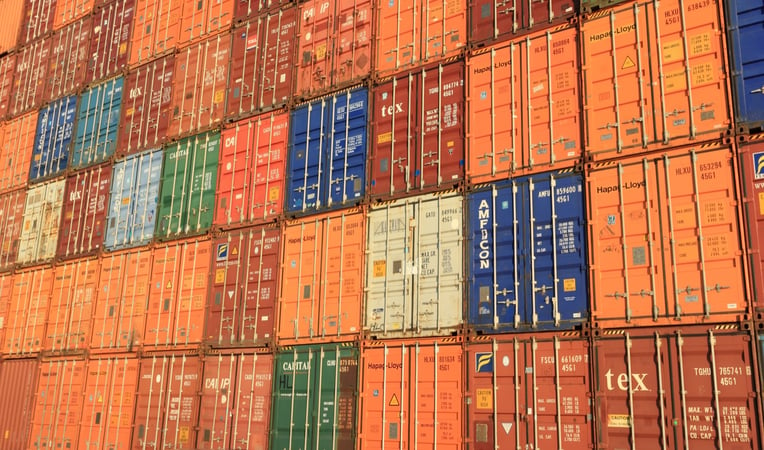
For some time now, imports to the United States have far exceeded exports. Containerization has contributed to this imbalance. In fact, shipping goods via containers has radically changed the face of global transportation. The shipping container is an interchangeable unit that can accommodate all shapes and sizes of cargo. Planners can track it and change modes of transportation according to the demands of shippers. But this remarkable state of transport wasn’t developed overnight. The use of shipping containers and containerization are among the greatest achievements in transportation in the last century. Where Did It All Begin? The modern-day container dates back to around April 1956, when an American trucking entrepreneur, Malcolm McLean, put 58 trailer vans (later to become …

The pharmaceutical distribution supply chain will be the focus of a three-part series over the next several weeks. Why? This topic has only gained in importance since the turn of the 21st century. As medications, delivery methods, and technologies change rapidly to meet expanding patient needs, manufacturers and distributors must adapt and evolve. They have the obligation to ensure that medicines and vaccines are safely, securely, and efficiently delivered to a complex network of pharmacies, hospitals, clinics, and other healthcare providers across the country. In this post, we’ll take a closer look at each link in the supply chain before moving on to best practices and temperature control issues in Parts 2 and 3. The Supply Chain Model At the most fundamental level, the pharmaceutical …

Food safety should be top of mind for food service organizations. The idea is surprisingly simple: keep food free of foodborne illness. The implementation of temperature-controlled food safety, however, is surprisingly difficult: monitor and maintain the temperature of each and every perishable food item that will be consumed. The complexity of monitoring food from farm to fork inevitably leads to negligence. Food storage, handling, and prep does not typically fall under a single organization. Farmers are not usually the folks selling their food to the public. Outside of a farmers market, perishable food items commonly have many steps to take in the food safety supply chain each with its own set of unique challenges. Negligence, however small, at any one of the steps in the food supply …
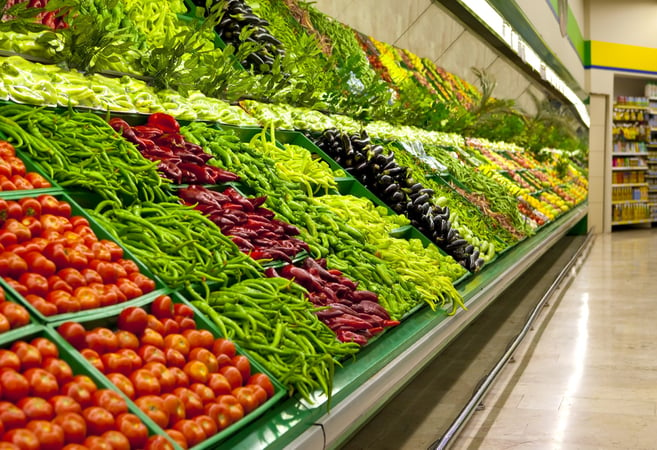
"In the freight industry, the year-round produce that we enjoy impacts the supply and demand for trucks, affects capacity, and freight rates as well," writes FreightWaves Market Expert Michael Crosby on their website. "Strawberries and lettuce from California, tomatoes and oranges from Florida or grapefruit and pecans from Texas definitely influence the freight markets, but there’s more than inland transportation that goes into keeping every bin stocked at the local supermarket. Seasonality impacts what fruits and vegetables are imported and when, but unpredictable extremes in the weather such as drought, flooding and hurricanes also dictate responses to the ever-growing demand." Over the years, the United States and the rest of the world have exerted new-found demand for fresh produce. …

The National Football League has 32 teams. Each weekend during football season somebody is playing at home and somebody is playing away. This amounts to a significant logistical feat – or at least it is for one East Coast team. For the Baltimore Ravens, moving the team, even to its home field from its performance and practice site, is somewhat monumental. So when the team plays away from home, it's another set of logistical challenges to meet. These challenges begin with every individual player; each has their own equipment stored in a bag. But the player's equipment is only a small part of the substantial logistical choreography that equipment managers and their staff perform each weekend. In addition, the staff has an arsenal of gear to transport, including shoulder pads, helmets, …