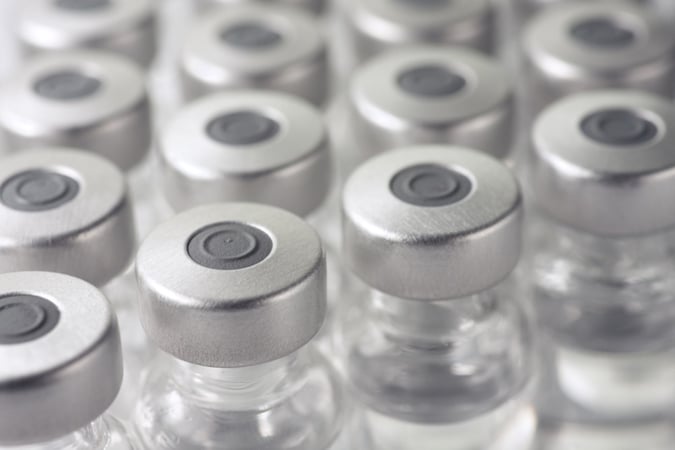
In part 1 and part 2 of our series on distribution methods for pharmaceuticals, we looked at the current model of the pharmaceutical supply chain, which has evolved so significantly since the turn of the century that the federal government has passed stricter regulations, while the World Health Organization has recommended Good Distribution Practices (GDP) to ensure the safety and security of prescription medications. In this post, we drill down to focus on vaccines. They act as a good example of how specialty medications increasingly require their own set of safety sub-guidelines – in this case, special care regarding temperature monitoring and control. Proper vaccine storage and handling are important factors for inhibiting – and whenever possible – eradicating diseases that seriously …
Articles from SmartSense by Digi
Recent Posts
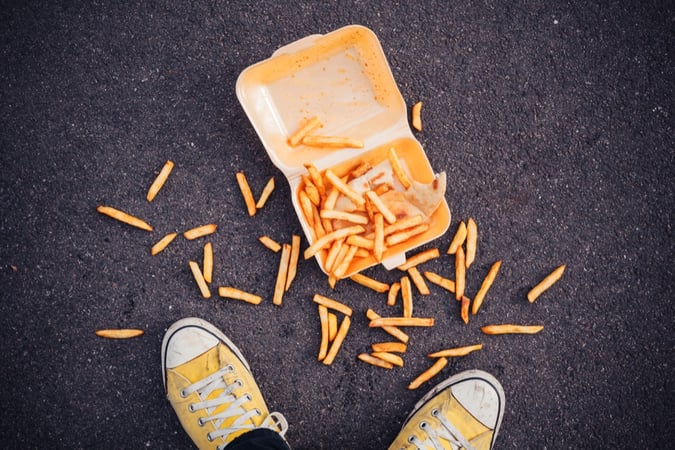
“Oh no, I dropped my french fries! Hey, no problem, five second-rule!” Even if you’ve never followed this bit of popular folk wisdom yourself, you’ve probably heard it declared many times by family, friends, or coworkers. That is, if you drop food on the floor, as long as you pick it up within five seconds, it’s still safe to eat. Of course, if you do choose to believe the “5-second rule,” it usually depends on what kind of food you dropped, where it was dropped, and how hungry you are. Common sense would seem to indicate that the moment food comes in contact with the floor it can collect pathogens. But what does science have to say? Is there a risk, or is the rule valid? Evidence in Favor of the 5-Second Rule In 2014, a study out of Ashton University in England got widespread national …
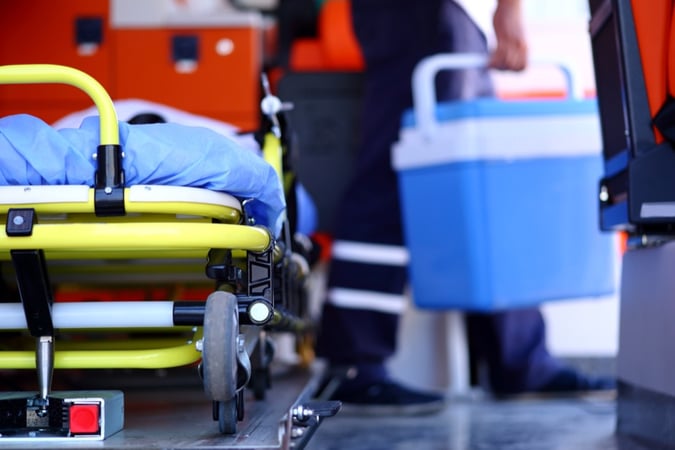
In the past year, at least 3,182 organ transplants took place. To achieve this, an amazing feat had to happen: the organs had to be transported from donors to patients, which involved careful logistical effort, from harvest to successful transplant. More than 125 million people have registered as organ donors, but only about three of every 1,000 actually become donors when they die. This small percentage is largely due to their age, the health of the particular organ, and their utility for the patient. But the list of those requiring donated organs is longer than the list of both those who are available to donate and organs that are viable for transplant. The Critical Organ-Transplant Supply Chain Remarkably, organs are donated and transplanted into another human being to help that person …
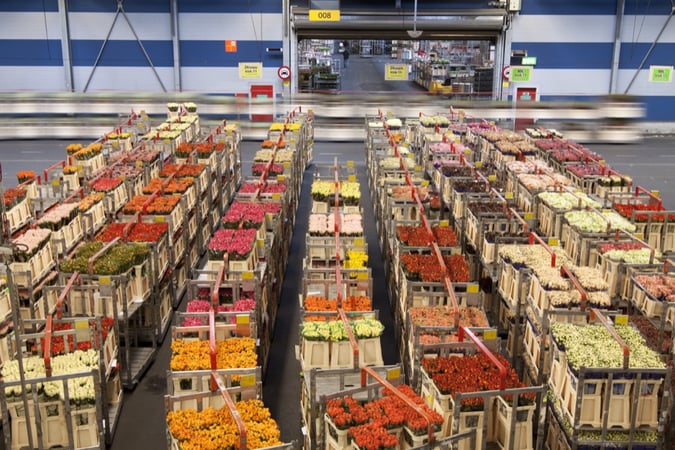
Every year there is a steady flow of perishable goods into the United States, with imports fluctuating with the seasons. For example, about 85% of all cut flowers come into the United States through the “Gateway to the Americas,” Miami International Airport. On average, seven flights per day transport cut flowers, mainly originating from Latin America. During peak seasons, the number of flights rises to around 35 flights per day. This requires a supply chain network to handle the surge of imports, capitalize on the demand, and avoid loss due to spoilage or an expired shelf life. The Growing Influx of Perishable Commodities Behind such an effort is a tremendous logistical system that supports the cold chain required to move these goods. Supply chain monitoring and logistics must work in …
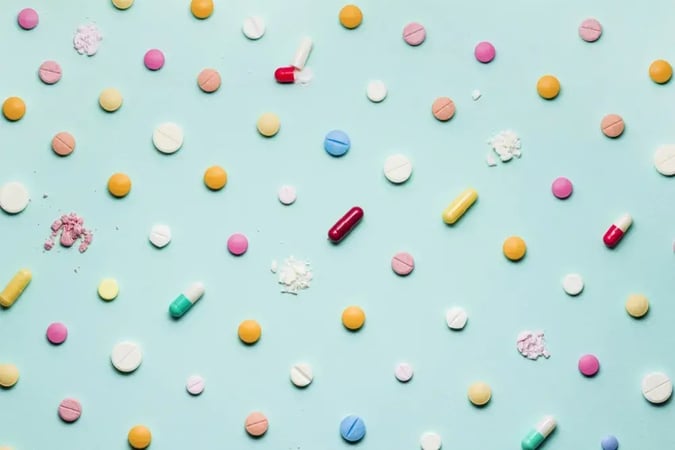
Part 1 in our series on pharmaceutical distribution outlined a big picture overview of the current (but ever-changing) model of the pharma cold chain. In this post, we dive further into the Good Distribution Practices (GDPs) recommended to guarantee supply chain safety and security of medications as they move from manufacturer to patient. Because prescription drugs have become more expensive and specialized, the federal government has passed more stringent regulations and mandated increased FDA oversight. In this climate of public scrutiny, GDP is essential at every link in the pharmaceutical supply chain. The Drug Supply Chain Security Act (DSCSA) The Drug Supply Chain Security Act (DSCSA) was a major advance in improving safety and security in pharmaceutical distribution. Establishing a …
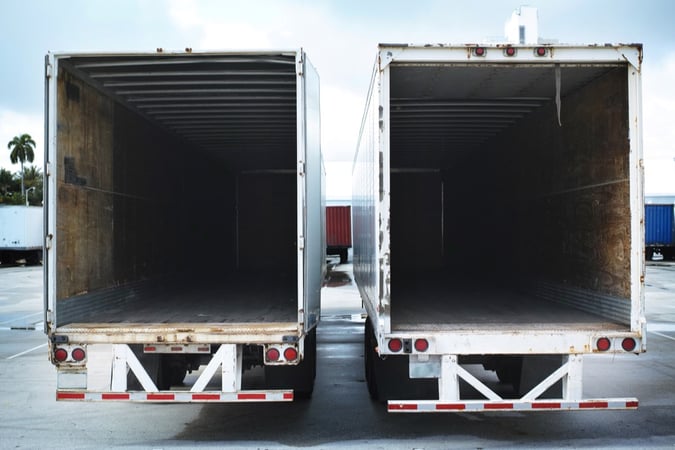
The trucking industry was hot last year. While many shipments were made in bulk and filled an entire truck going from a single origin to a single destination, many were not filled to capacity. These shipments fit into another category: less than truckload, also referred to as “LTL.” The trucking industry has enjoyed a very robust supply and demand equation where they are the supply, while consumers and buyers from industrial companies act as the demand. The world economy is enjoying a healthy e-commerce environment whereby consumers all over the world are shopping and purchasing globally. The demand has been much greater than the supply, which has lead to an increase in prices and caused trucking fleets to invest in more capital assets. While the trend has been widely reported, LTL …