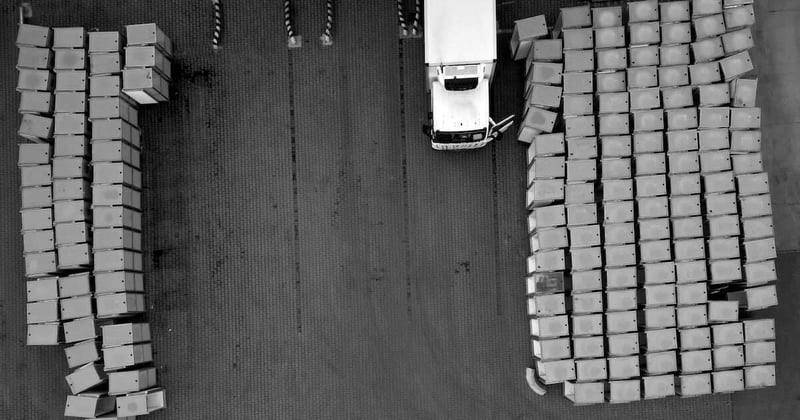
Cargo theft is evolving at a rapid pace. Businesses are confronted with highly coordinated, tech-enabled cargo criminals, typically organized retail crime, who are coordinating in large groups to exploit every vulnerability across the supply chain, stealing larger shipments and attacking cargo carriers more frequently. Fortunately, many businesses have evolved with these bad actors, but questions remain: have they evolved enough? And where do leaders in the cargo theft prevention space see opportunity for improvement? SmartSense’s latest study, compiled from a poll of 150 U.S.-based loss and organized retail crime (ORC) prevention leaders, explores the state of cargo theft from those responsible for combating it. Among the group polled: 81% believe cargo theft has become more organized in …
Posts about Supply Chain

In the modern, complex, volatile healthcare sector, IoT-enabled supply chain and warehouse management systems that support Good Distribution Practices (GDP) are absolute necessities. They guarantee end-to-end traceability of medical products, prevent costly spoilage, and ensure regulatory compliance. IoT-enabled supply chain and warehouse management systems protect patient safety and mitigate the risks of severe financial loss. While GDP dictates the benchmarks for safety and quality control, IoT provides the technology to achieve them. Together, they transform supply chain and warehouse management from basic services into a competitive differentiator for vendors that provide them — and build trust in the customers that use them. Medical supply chain management: quality & …

The global healthcare industry is undergoing a fundamental transition from a volume-based to a value-based approach to doing business for two primary reasons. One, consumers are demanding enhanced healthcare quality, especially given the high cost of insurance. Two, healthcare providers are under greater regulatory pressures to deliver better outcomes than ever before. In addition to these pressures, healthcare organizations are also facing unprecedented challenges to maintaining their standards for safety and quality: Labor shortages: Overworked healthcare professionals are required to do more with less, which increases the potential for compliance gaps despite their best efforts. New forms of healthcare delivery: The increasing complexity of medications, vaccines, biologics, and …

Especially since the onset of the global COVID-19 pandemic in 2020, inventory management has become a complicated, high-stakes priority for the healthcare industry. A primary lesson learned over the last several years is that, as supply chains become more globalized, their sensitivity to disruption increases. Consequently, healthcare enterprises often struggle to collect real-time data on asset location and condition, which compromises their ability to make timely decisions about inventory levels and to execute appropriate action to correct them. Inevitably, errors in inventory availability create disabling out-of-stock or wasteful overstock situations. In this post, we provide an overview of IoT-enabled best practices that help overcome challenges to healthcare inventory management. The …

Food waste along the wholesale and retail supply chain is often blamed on downstream operations failures. Its roots, however, oftentimes lie upstream. As we will explore in this post, food waste is typically a downstream consequence of inadequate upstream Sales & Operations Planning (S&OP) decision making. The scale of this issue is massive, with 30-40% of the US food supply wasted each year. The U.S. government’s goal is to reduce food waste by 50% by 2030. Balancing demand & supply with sales & operations planning (S&OP) Sales and Operations Planning (S&OP) is a cross-functional process aligning demand forecasts with supply chain capacity, resources, and financial goals. S&OP connects sales, marketing, manufacturing, and finance to create a single …

When times get tough, Americans get creative with how they stretch budgets. That's why today's shoppers are fighting inflation and financial strain with an unlikely hero: frozen food. Enter: what SmartSense calls "Frozenomics" — the economic aspects of frozen food. At a time when frozen food serves as a safety net, Frozenomics is becoming increasingly complex as frozen food volumes surge through the cold chain. This raises some important questions: Do frozen food brands have the cold chain strategies needed to ensure products move from the factory to the store freezer without meltdowns? And what do consumers really think about frozen food — its nutritional value, safety, and the industry's commitment to protecting and increasing visibility for both? To answer these questions and explore …